Despite its Name, Death Valley is Alive

Image courtesy of Ronan McCoy

 
Despite its Name, Death Valley is Alive
by Sweiskloss
March 19, 2026
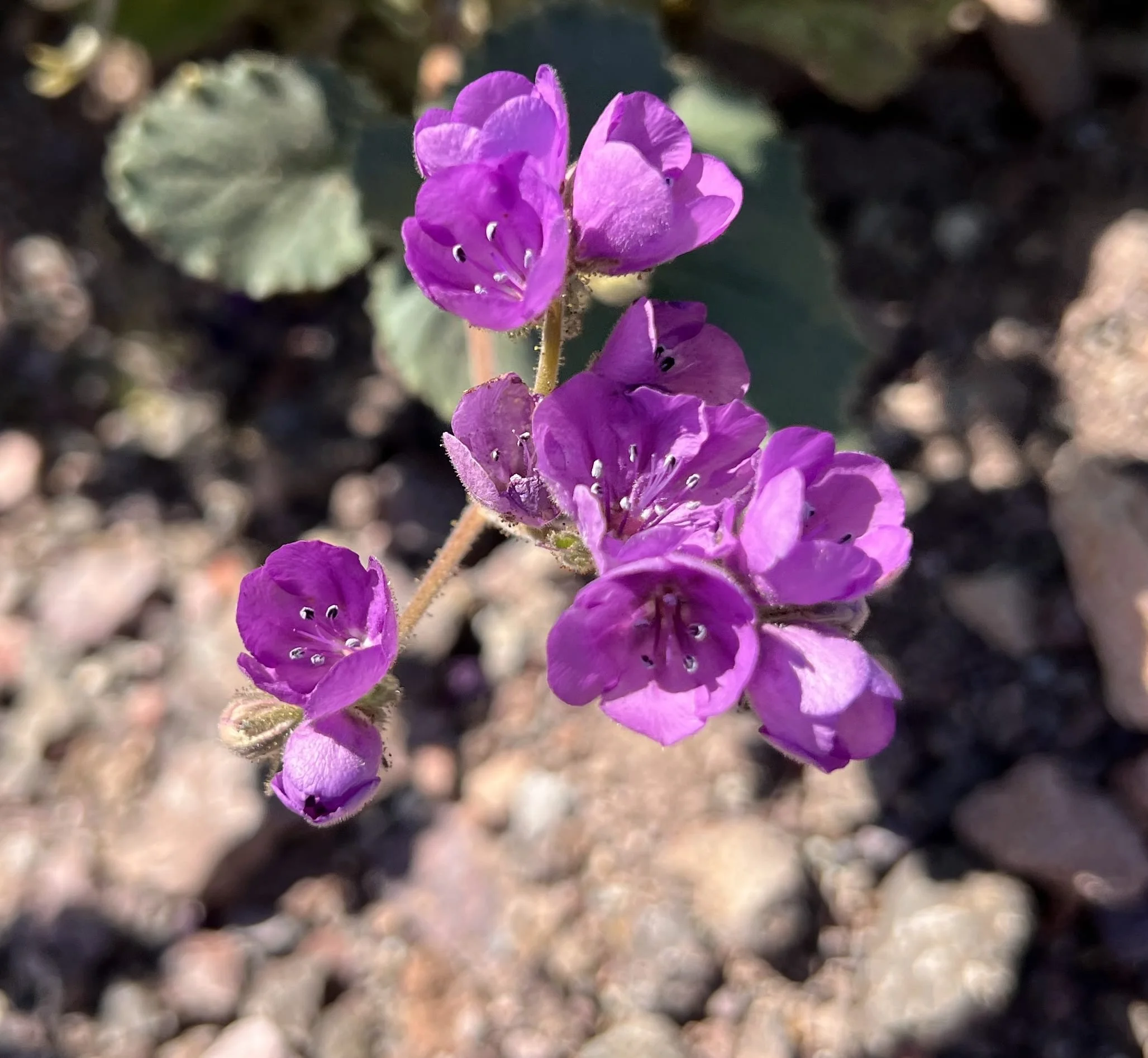
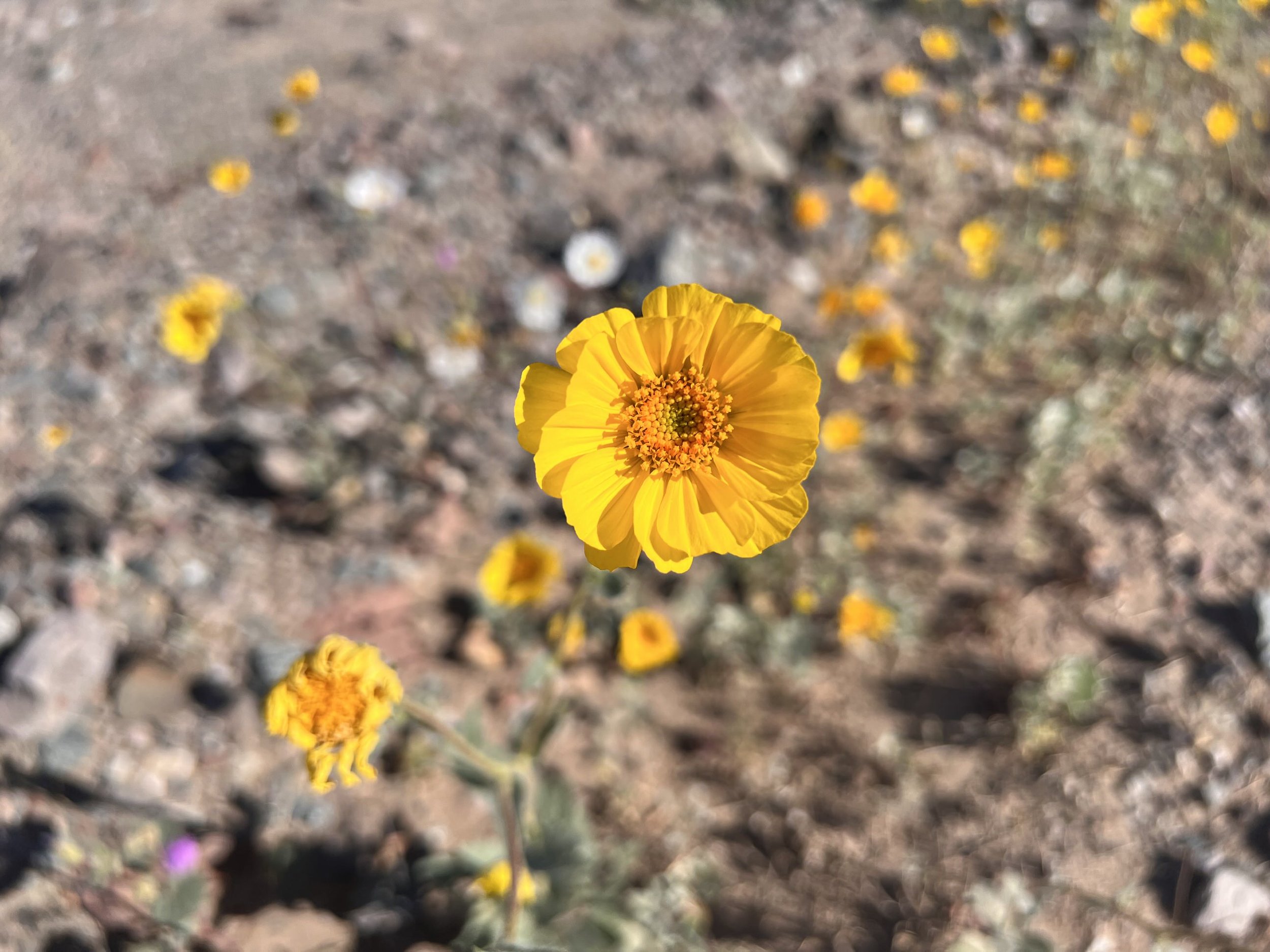
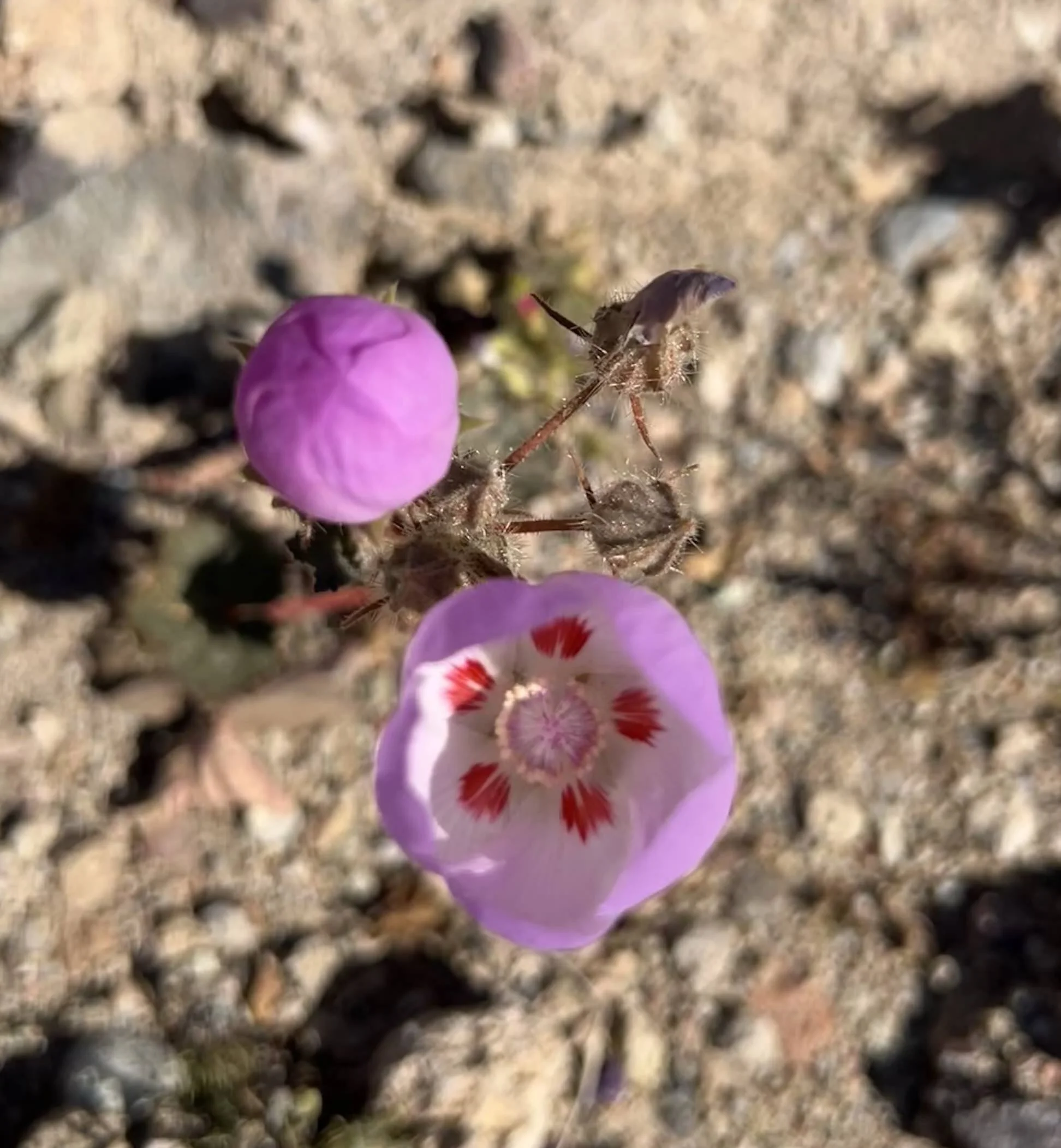
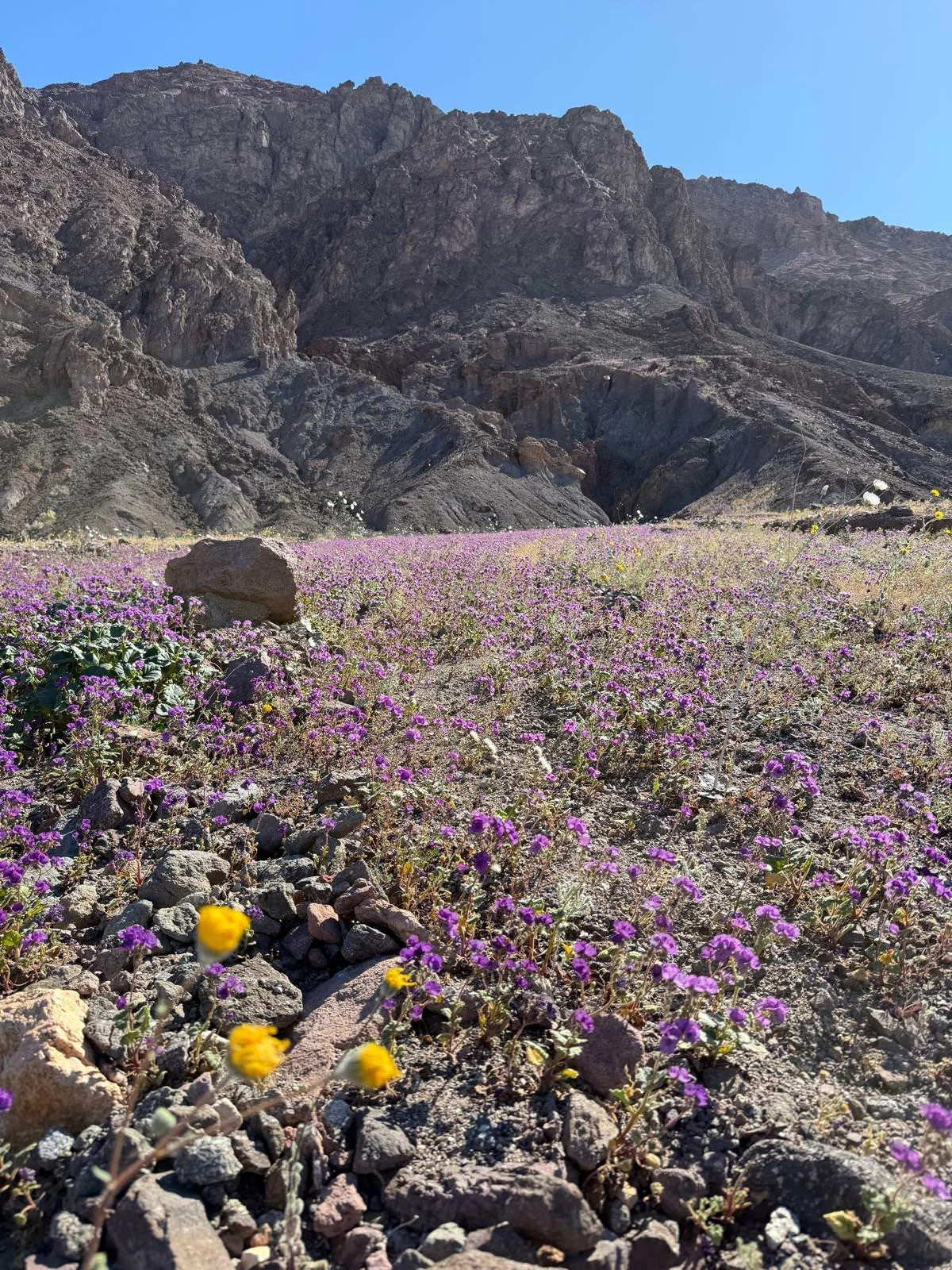
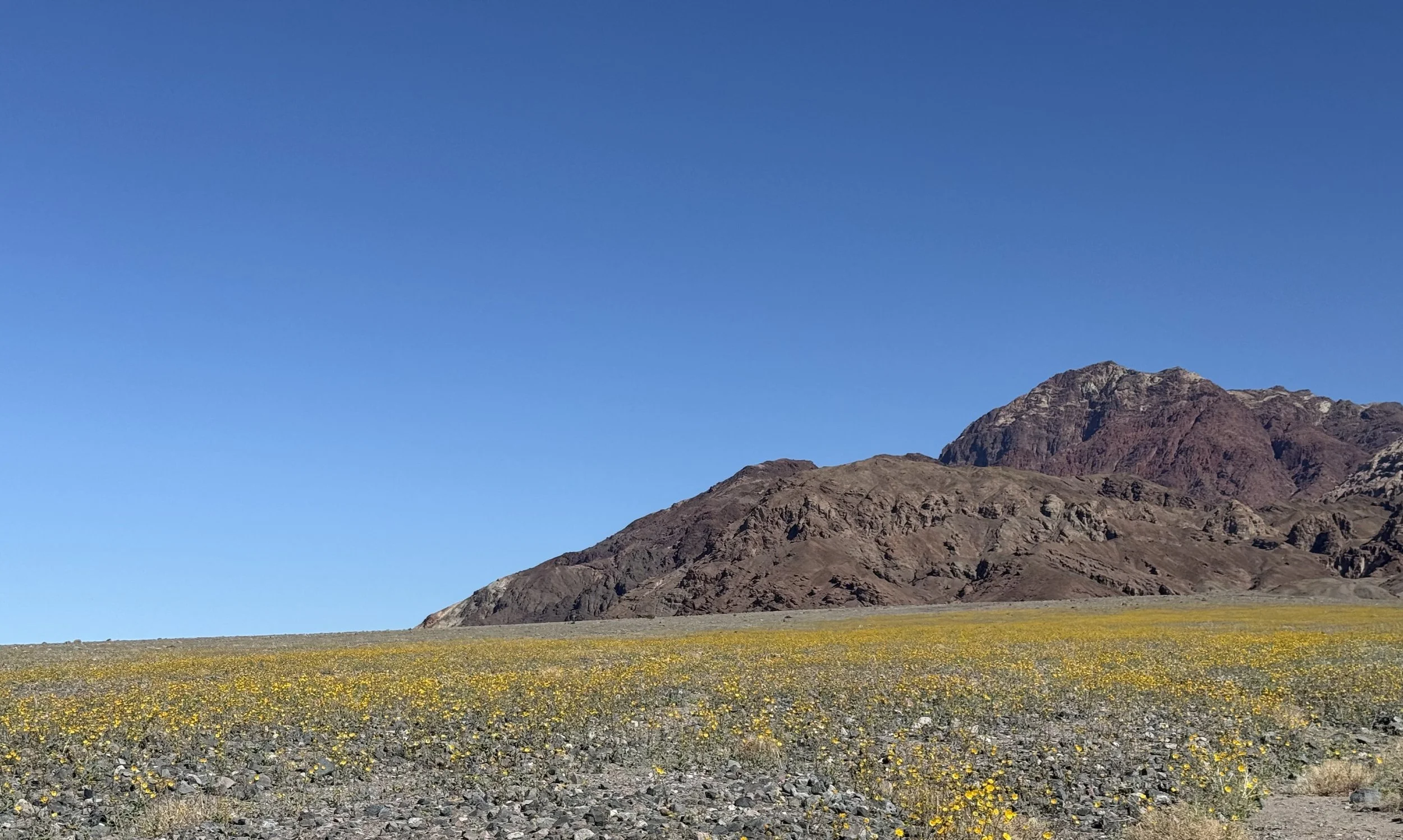
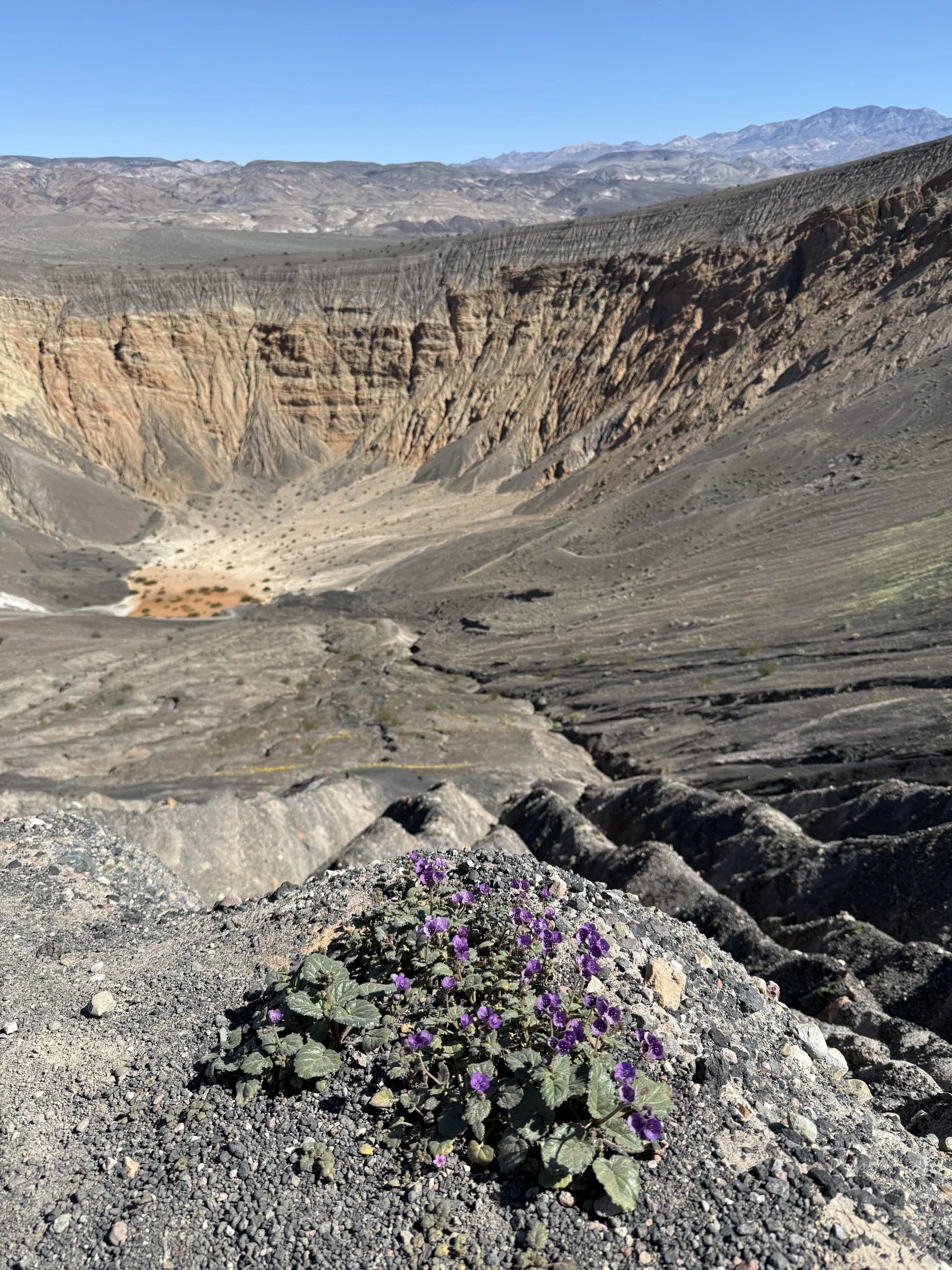
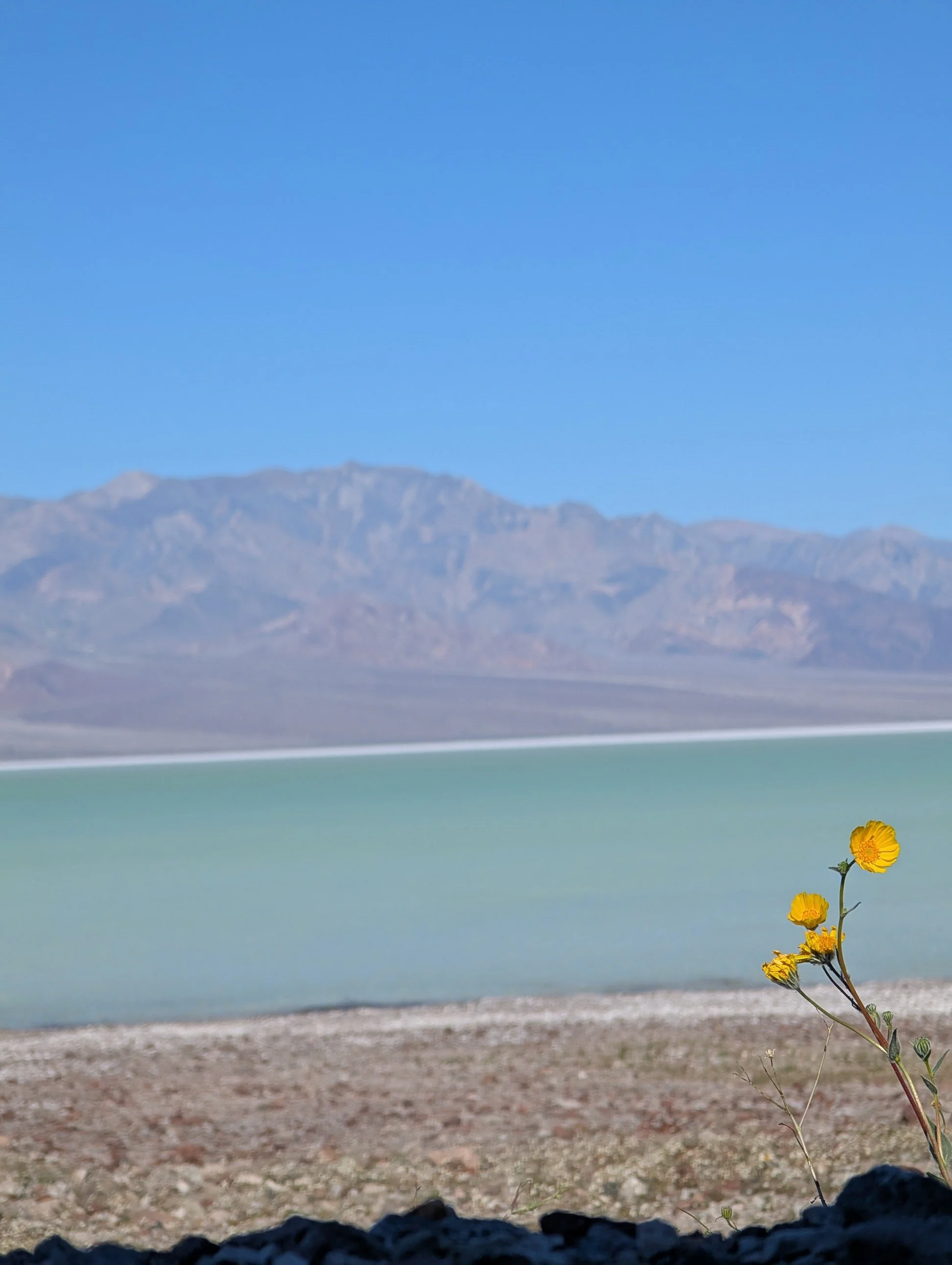
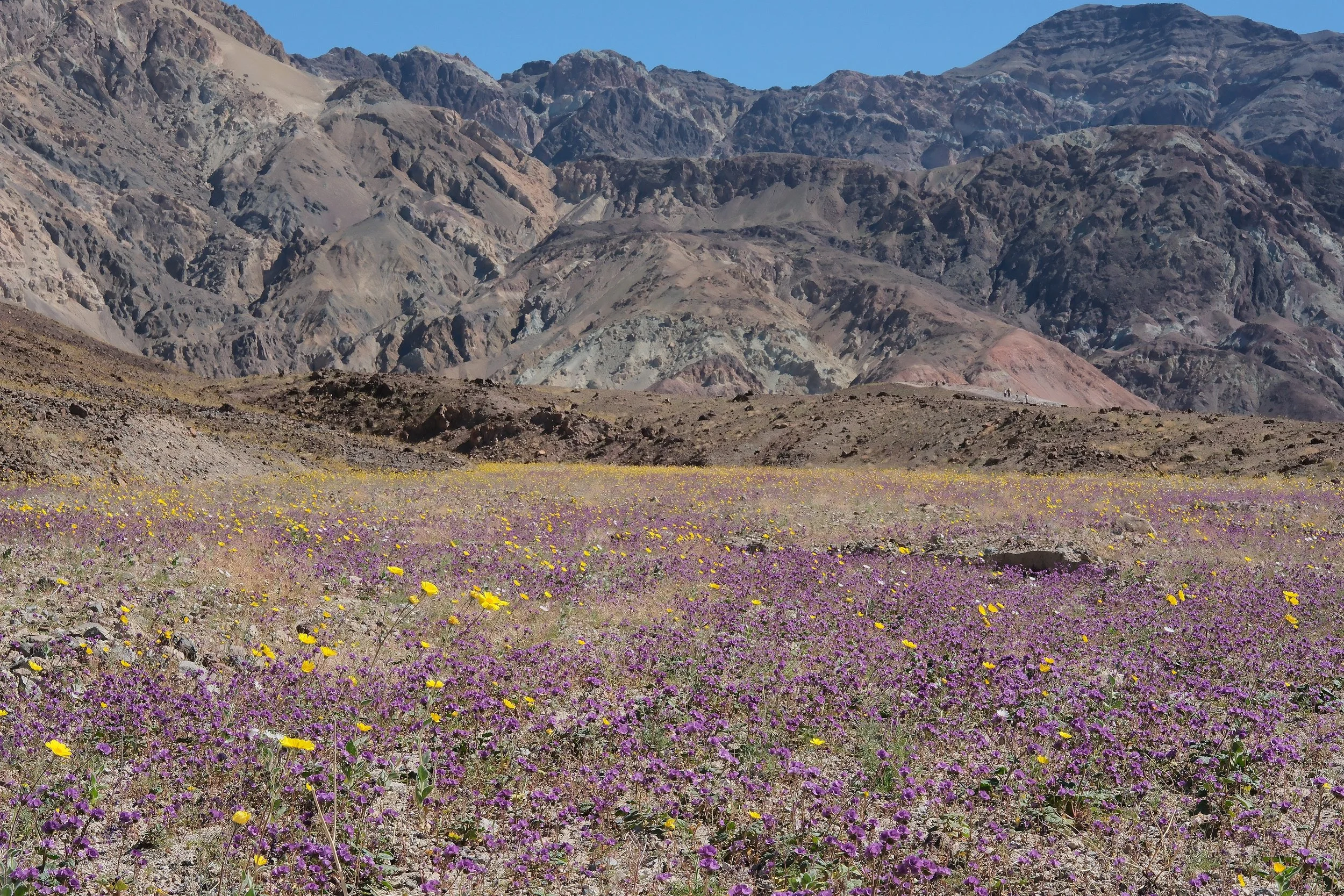
A rare super bloom is unfolding in Death Valley, with the desert floor awash in color. Recent fall and winter rains have triggered long-dormant wildflower seeds to spring to life turning the normally barren landscape into fields of yellow, purple and pink. “Park officials said the super bloom only happens about once every ten years,” according to ktla.com and the news of it has traveled all over the world.
If you are one of the thousands of visitors flocking to see the flowers of Death Valley before they fade in the next week or two, check out some of these architectural sites and points of interest while you are there.
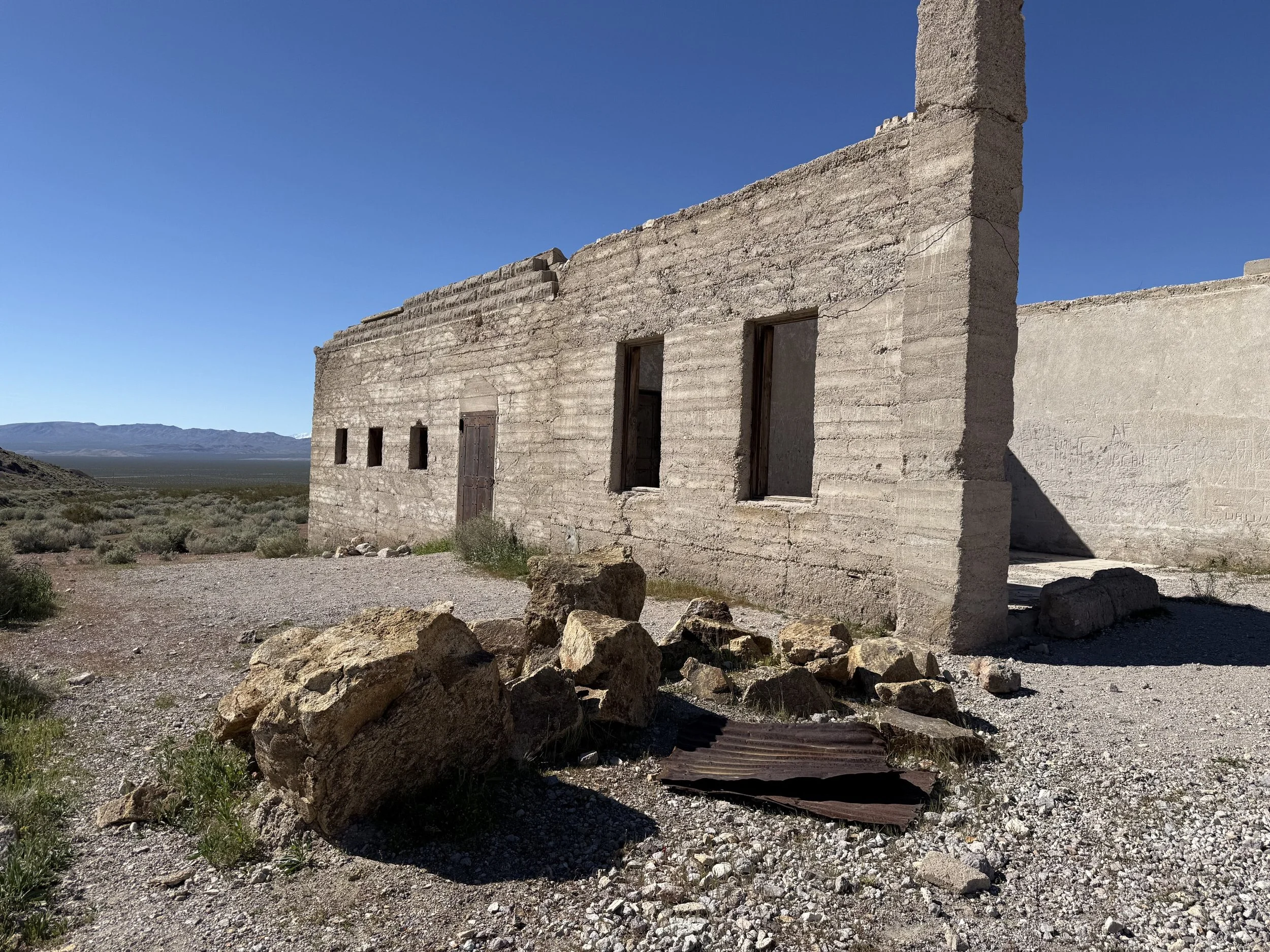
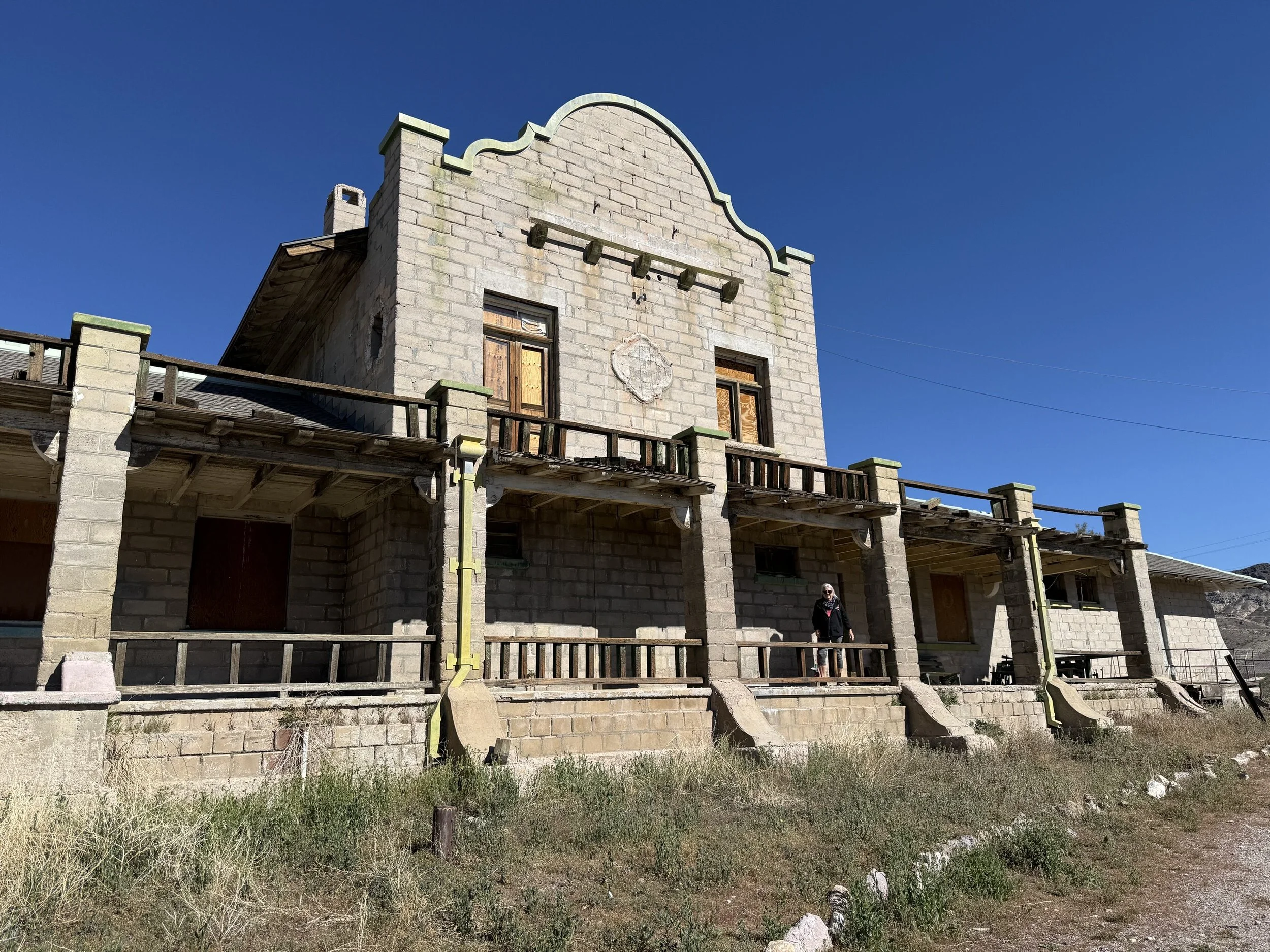
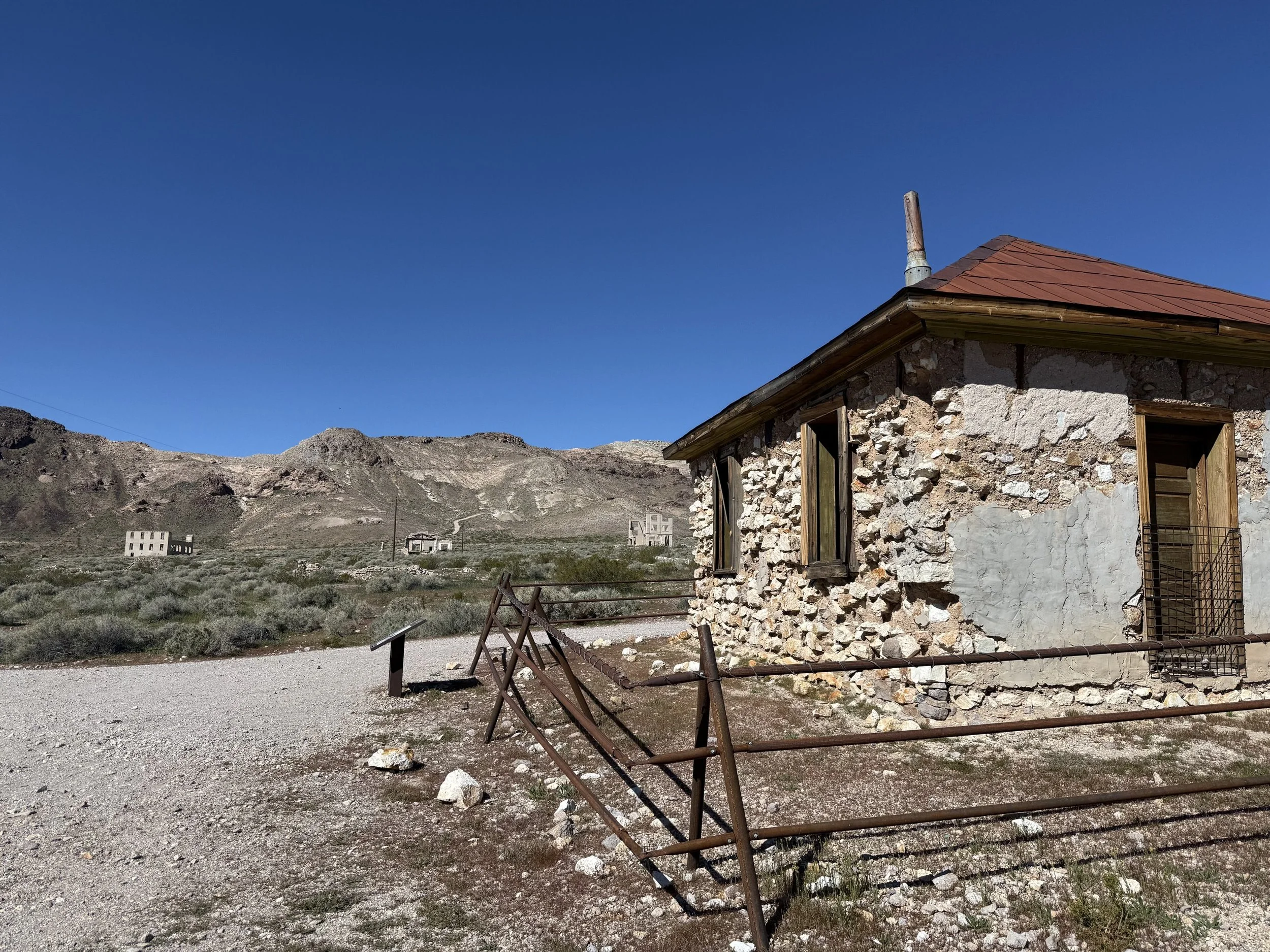
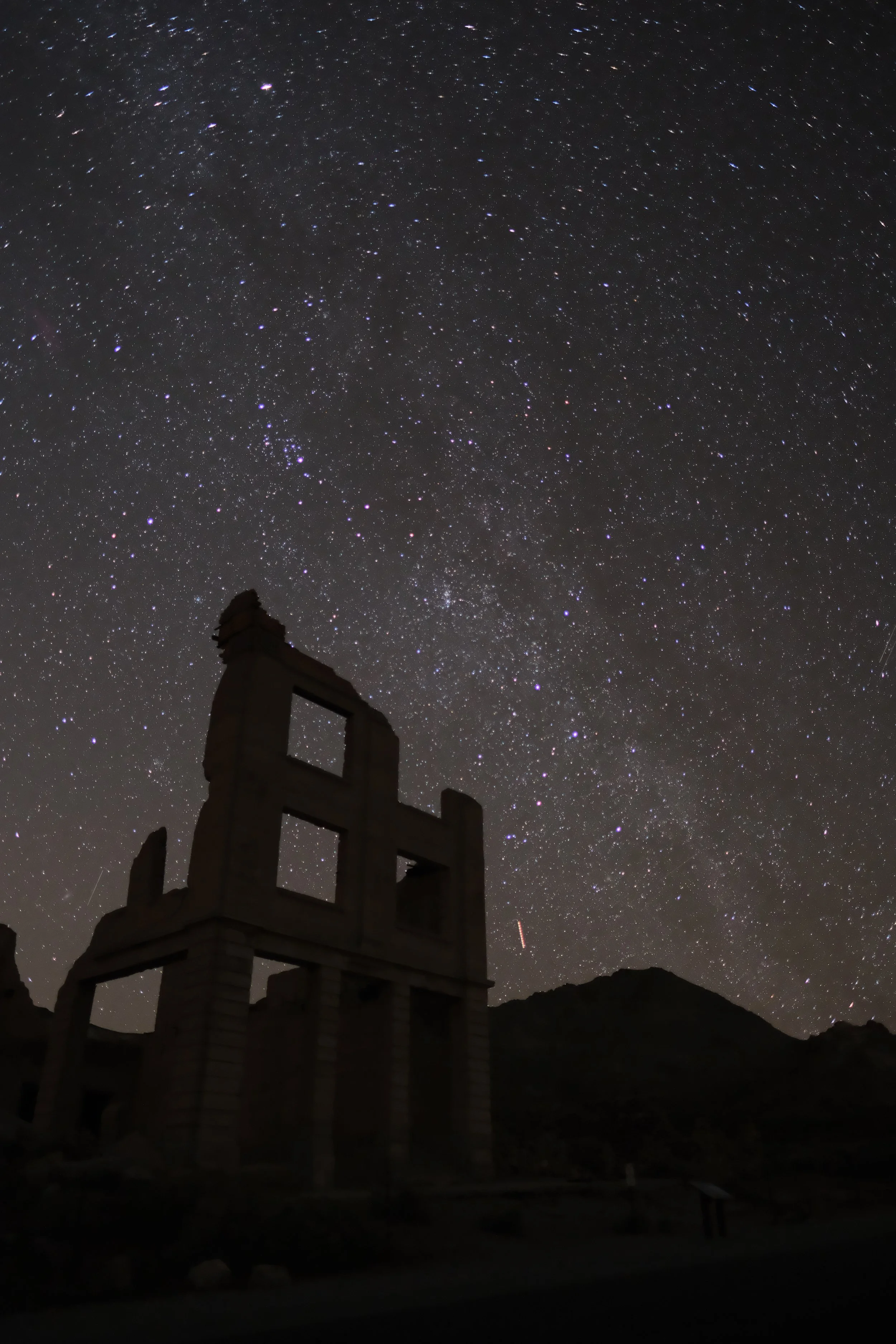
Founded in 1905 during the Gold Rush, Rhyolite is one of the most photographed ghost towns in the West (travelnevada.com). Started as a mining tent camp, it quickly boomed into a bustling town with saloons, gambling rooms, lodges houses, restaurants, a public bath house and a redlight district. Following steel magnate Charles Schwab’s investment, the railroad connected to Rhyolite’s (still preserved) train station, ensuring further development including banks, a hospital, an opera house and churches. As quickly as the town grew, it’s decline was just as rapid as the ore diminished, the railroad service was disrupted by the San Francisco earthquake, and the financial panic of 1907. By 1914 only 14 people called Rhyolite home (travelnevada.com), down from a height of close to 5,000. Much of the material from the structures were recycled to make new buildings in nearby towns, leaving Rhyolite in ghostly ruin. Check out the eerie remnants of the jail and the three-story Cook Bank Building, which in its heyday, featured a marble staircase and mahogany accents as well as electric lights and plumbing. Today you can still see the arched first floor arcade. Some structures, fortunately, remain almost intact including the Bottle House and train depot.

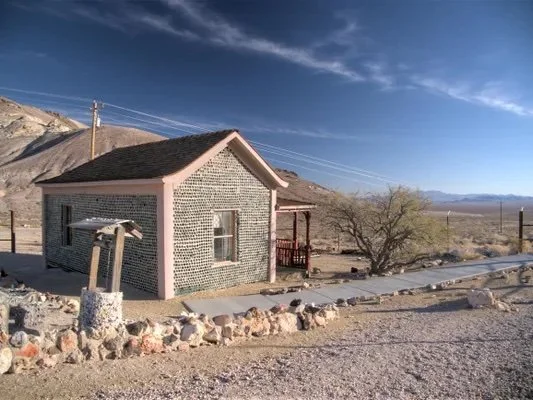
Tom Kelly’s Bottle House
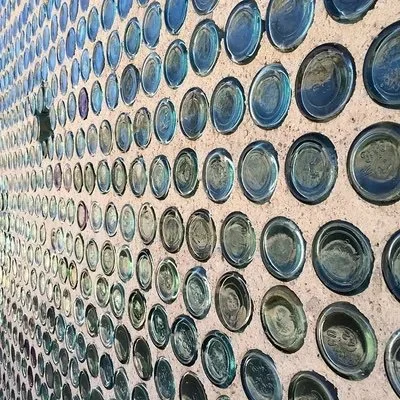
Yes, you read correctly, a bottle house, in which glass bottles are used like brick and embedded in mortar. “In Nevada, where wood is scarce and expensive, miners often built their houses with whatever was cheap and readily available” (hmbd.org). As the only source of lumber in Rhyolite was the “ill-suited Joshua tree”, stonemason turned gold miner Tom Kelly “saw potential at the bottom of his beer bottle” (atlasobscura.com). With an estimated 50 saloons operating in the town, Kelly collected over 50,000 bottles and built a three-room home with a porch. The house was auctioned off to a private family and eventually renovated by Paramount Pictures in 1925 for a movie set. Later it was converted into a museum.

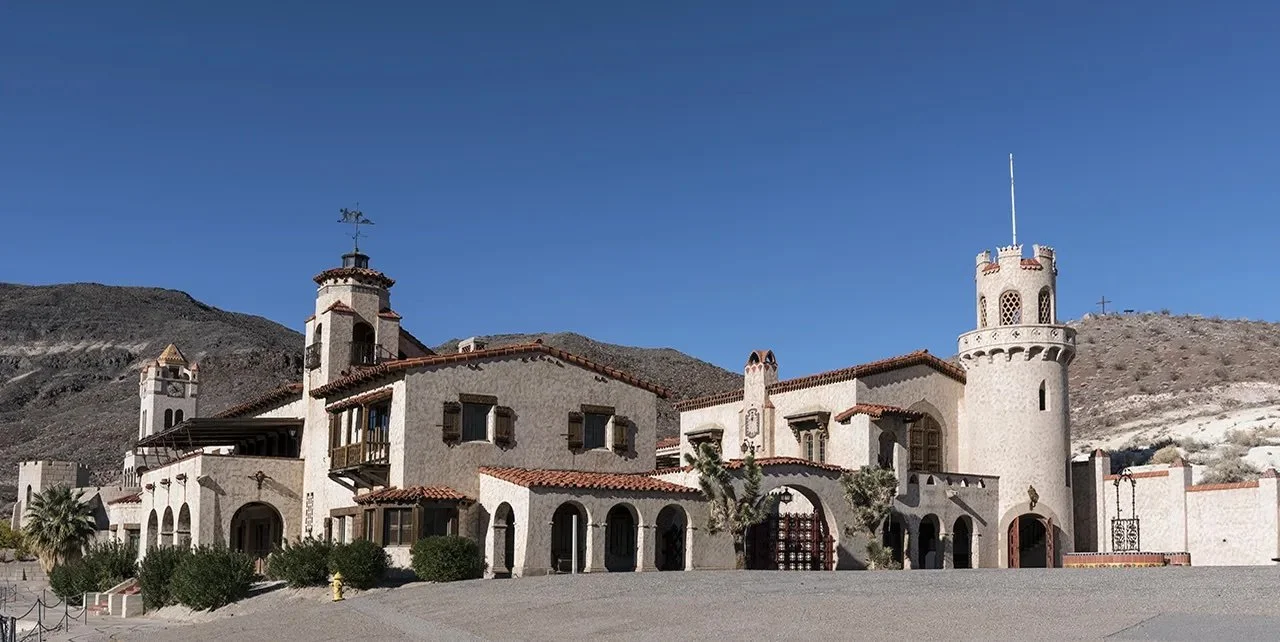
Scotty’s Castle
Built in the Spanish Colonial Revival style, Death Valley Ranch was built by Walter Scott, a man-of-mystery and gold miner, and Albert Johnson, a wealthy Chicago insurance magnate, as a hideaway and vacation home respectively. Known as Scotty’s Castle, construction began in 1922. The massive home featured clock tower, turrets, fountains, hand wrought iron and tile, and custom-made furniture and antiques. A highlight of the property was the “Chimes Tower, which contained a set of 25 chimes that were set to play on the quarter-hour” (visitcalifornia.com). They also had a 1,121-pipe theater organ in the music room. A significant amount of the castle was built when construction was halted in 1931 after it was discovered that the castle had accidently been built on federal land. The castle was eventually purchased by the National Park Service who offered tours. Unfortunately, since 2015 the castle has been closed until further notice following a flood and later fire.

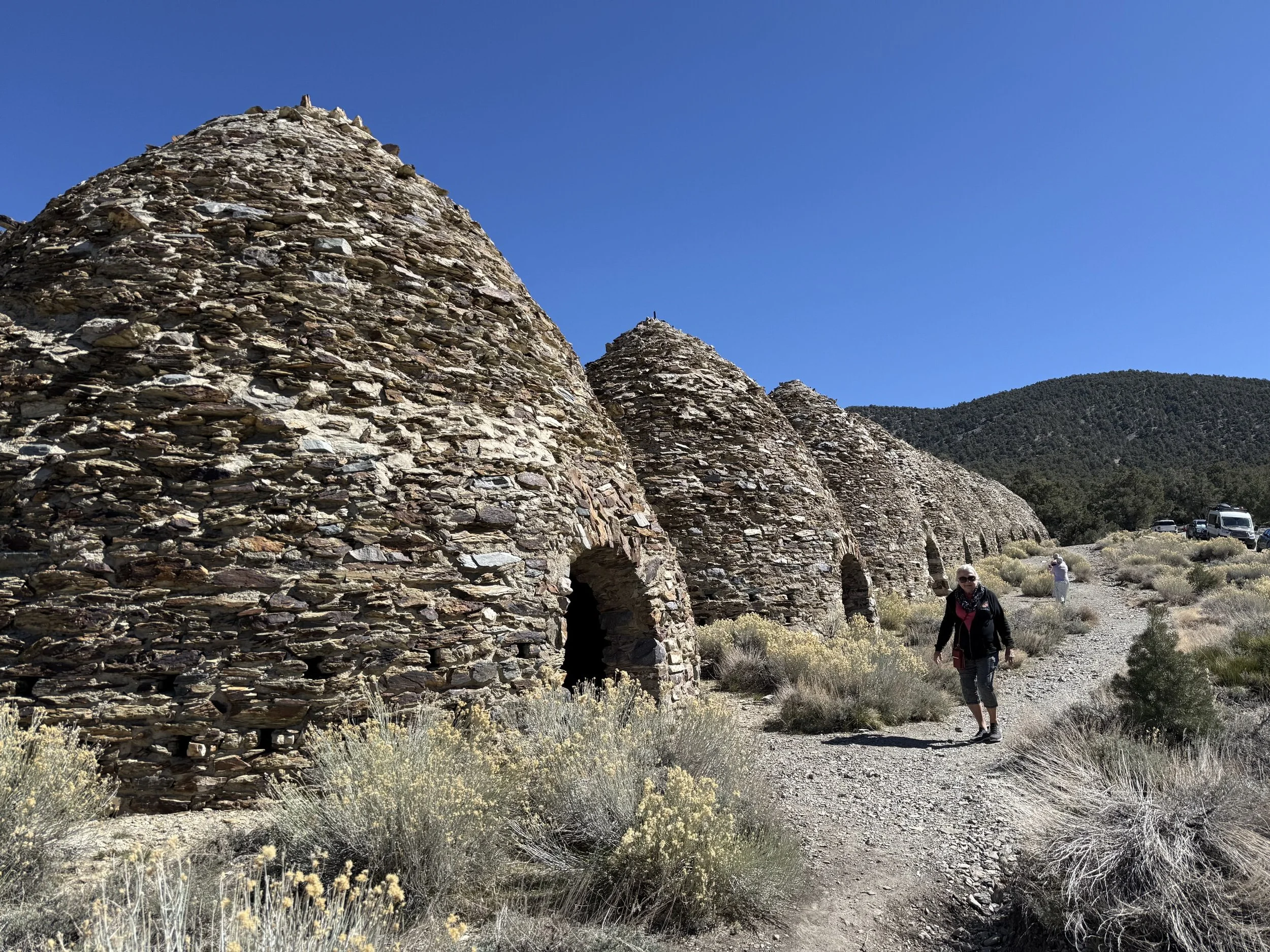
Wildrose Charcoal Kilns
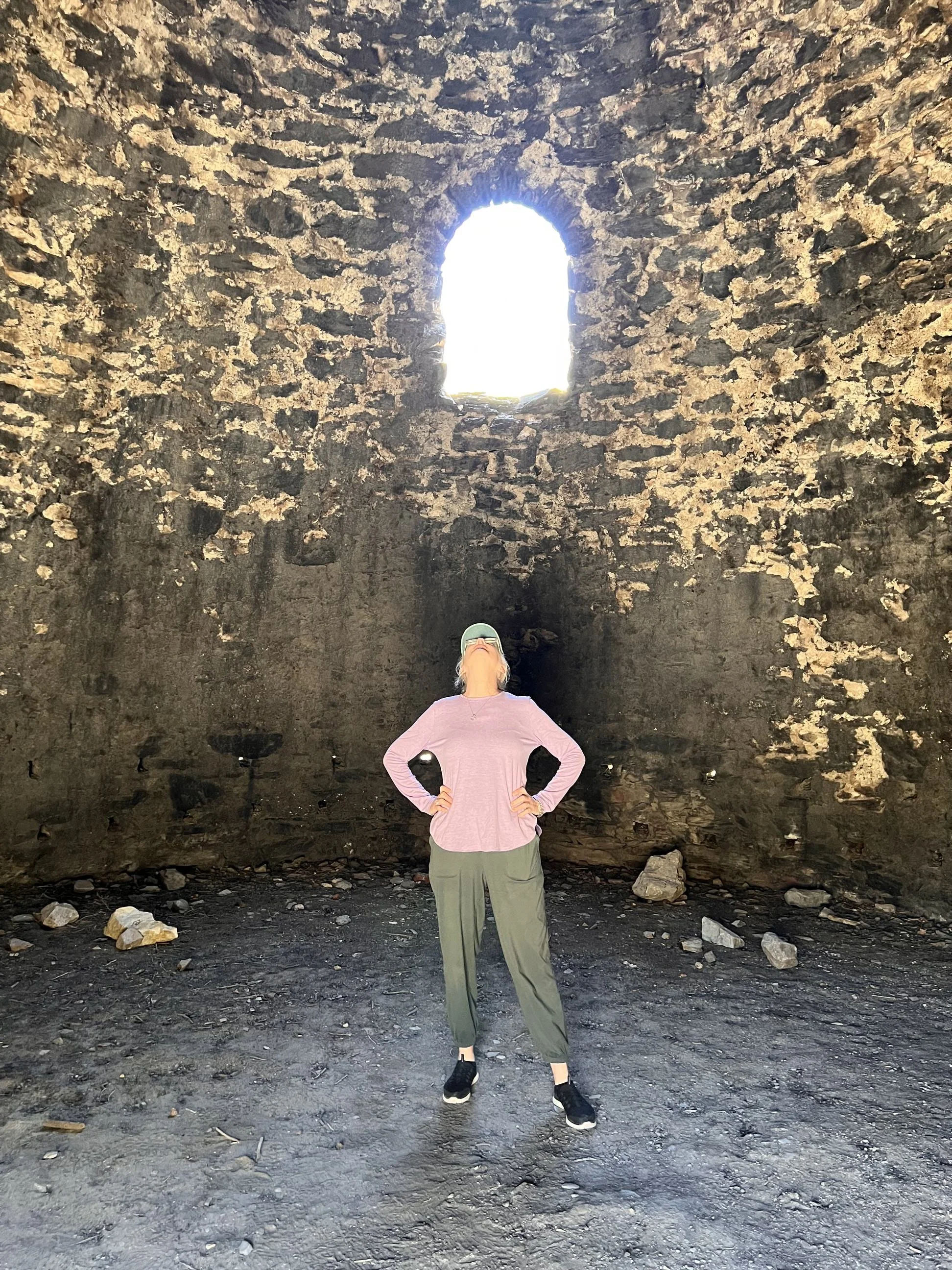
“The charcoal kiln complex in Wildrose Canyon is among the more remarkable historical-architectural features in Death Valley National Park” (nps.gov). Built in 1877 by the Modock Consolidated Mining Company, the 25-foot-high limestone kilns were constructed from local outcroppings and mortared with lime, gravel and sand. They provided the nearby silver mines with a reliable fuel source, making charcoal from pine logs. “The 10 beehive shaped masonry structures… are believed to be the best-known surviving examples of such kilns…in the western states” (nps.gov). While no one is entirely sure why, the kilns were shut down in 1879, possibly because other sources of fuel were located, the quality of ore diminished, and/or it was more profitable to ship the raw ore elsewhere to be processed. The structures are remarkably preserved, because of their short use and their location in a remote part of Death Valley National Park.

The Oasis Inn at Death Valley (formerly the Inn at Furnace Creek)
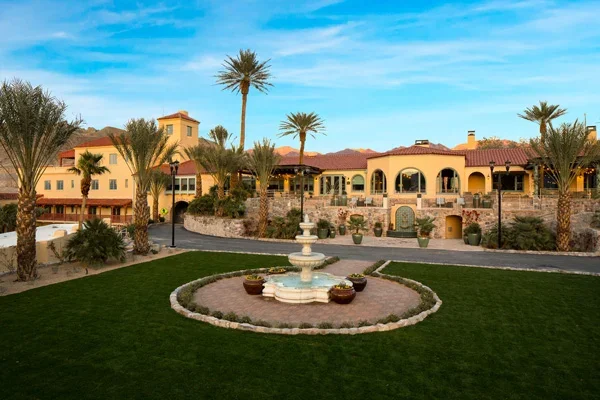
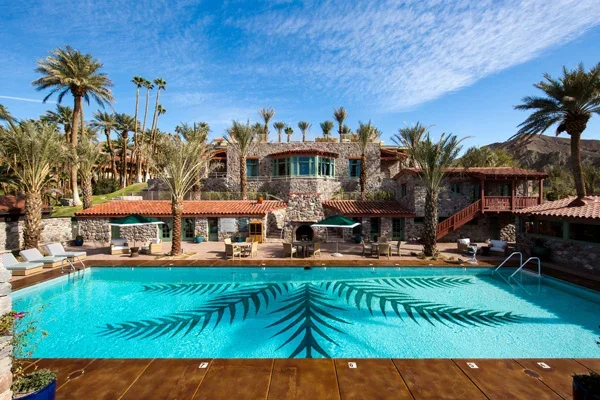
Built by the Pacific Borax Company in 1927, the Oasis Inn at Furnace Creek was truly an oasis in the desert and became a desert escape for Hollywood celebrities such as Marlon Brando, Clark Gable and Carole Lombard. The resort was built in harmony with the history and landscape of Death Valley. Designed in the Spanish Colonial Revival style, the property features red tile roofs, stucco exteriors, archways, arcades and towers. The stone incorporated on the lower levels appears to be a natural extension of the Furnace Creek Wash. The Inn’s wings wrap around a garden with palm trees and fountains. Guests can relax at the natural spring-fed pool, or enjoy the historic golf course, which is the world’s lowest course at 214 feet below sea level (historichotels.org). A $200 million renovation has restored the elegance of Old Hollywood with modern amenities. SK Project Accountant Jessica Handy highly recommends the Prickly Pear Margarita at the Stargazers Deck (see below for the recipe!).

Badwater Basin
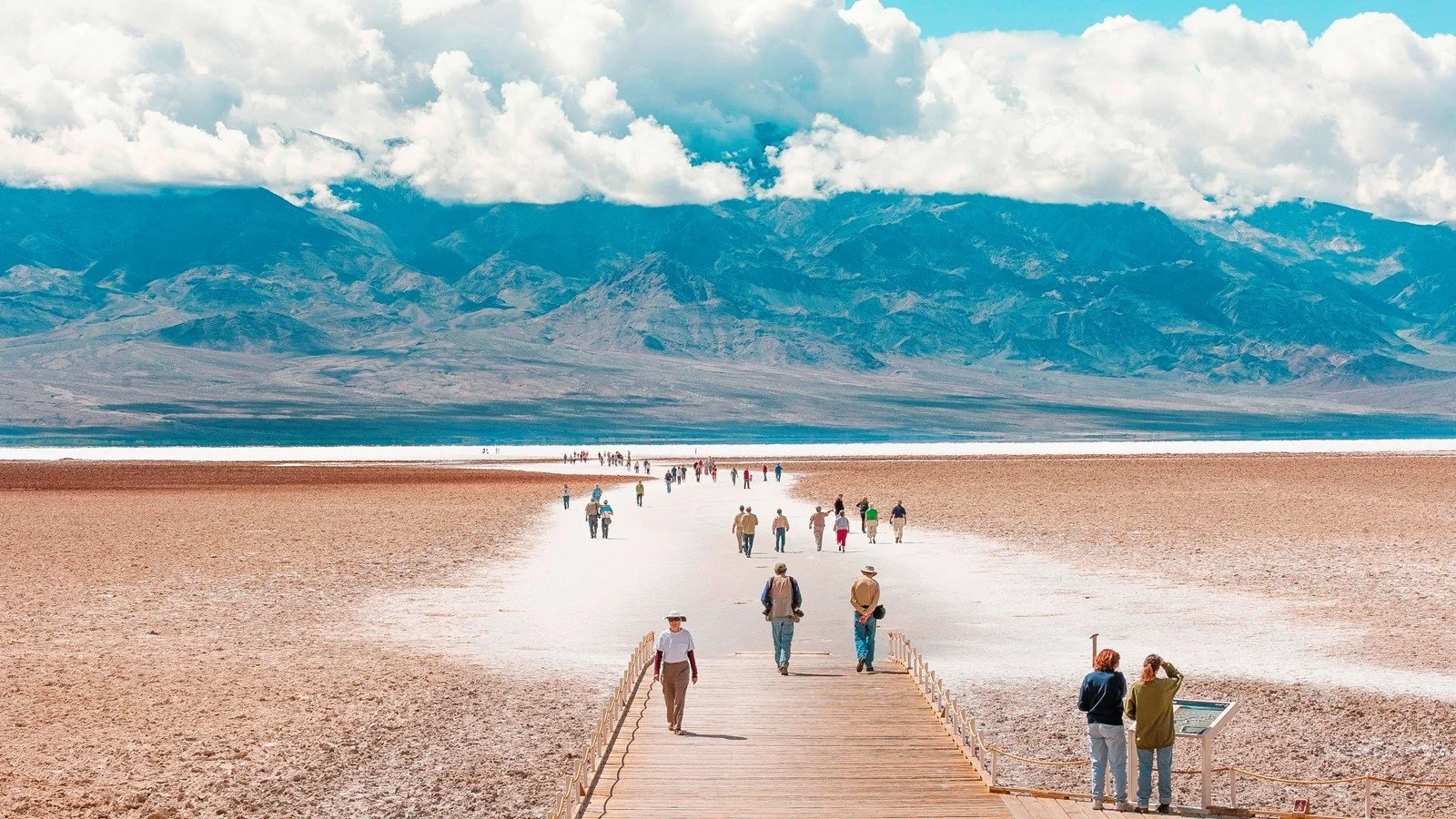
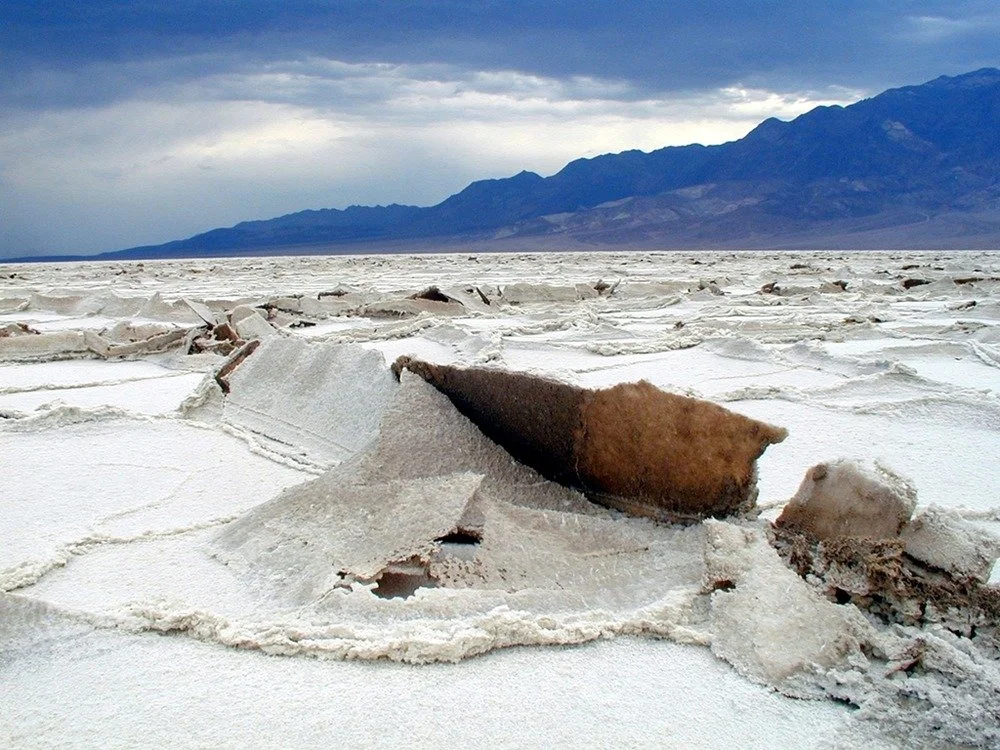
Badwater Basin is the lowest point in North America at 282 feet below sea level, according to nps.gov. It is also considered the hottest location in the world, reaching 135 degrees Fahrenheit in 2021. The Basin was once home to the ancient “closed” Lake Manly (meaning the inland lake had no outlet). The lake evaporated tens of thousands of years ago and concentrated salt deposits accumulated, creating geometric salt formations. The salt flats cover nearly 200 square miles creating a surreal landscape. Why named “Badwater”? Stories suggest that a surveyor’s mule refused to drink the water, thus earning its name…. the water isn’t bad, just salty.

Lake Manly
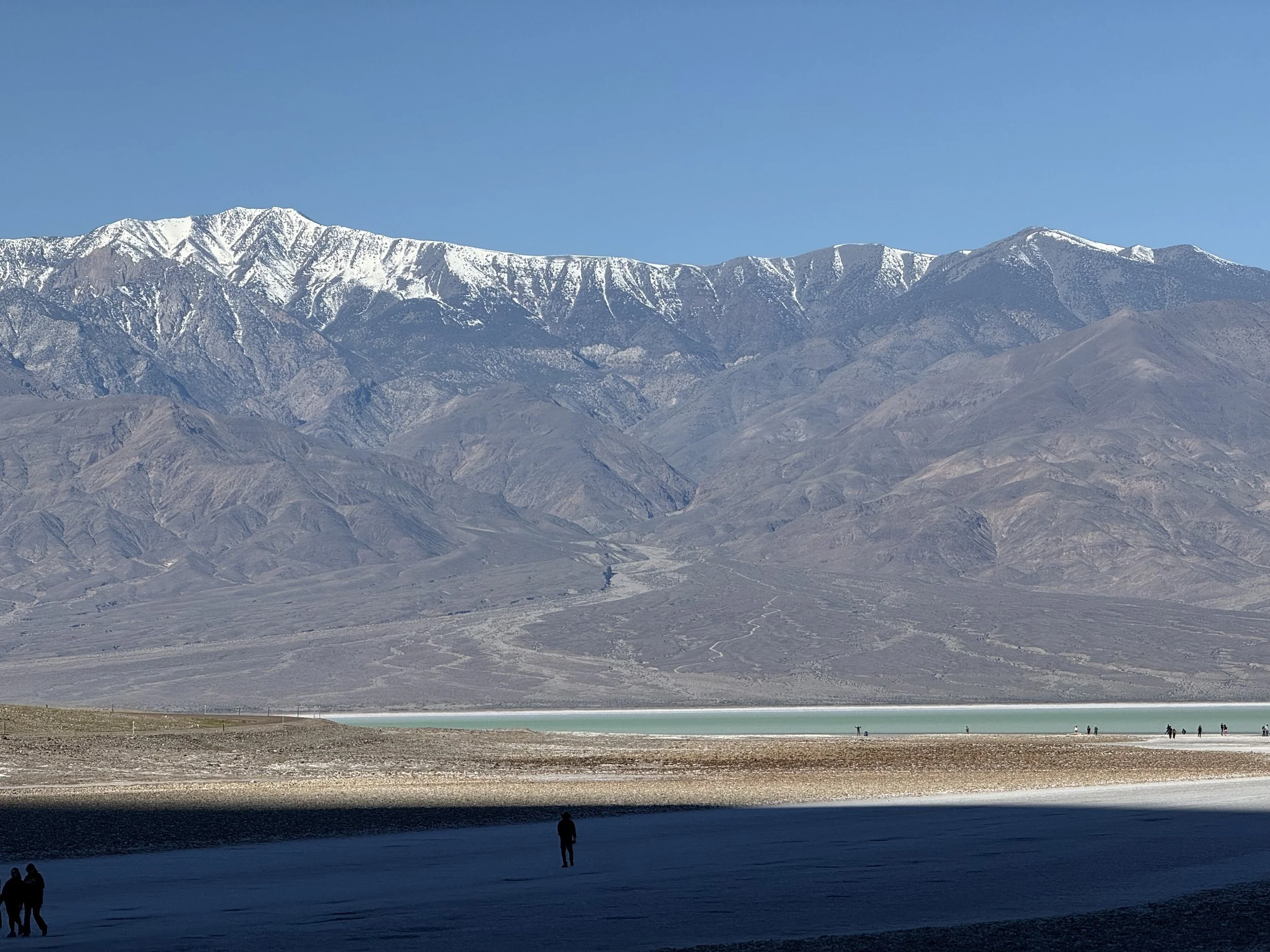
Manly Lake is an ancient pluvial lake in Badwater Basin, meaning it only occasionally forms at the bottom of Badwater Basin after heavy rainfall. Luckily, this season’s rains have transformed the salt flats into this rare watery landscape.

Stargazing
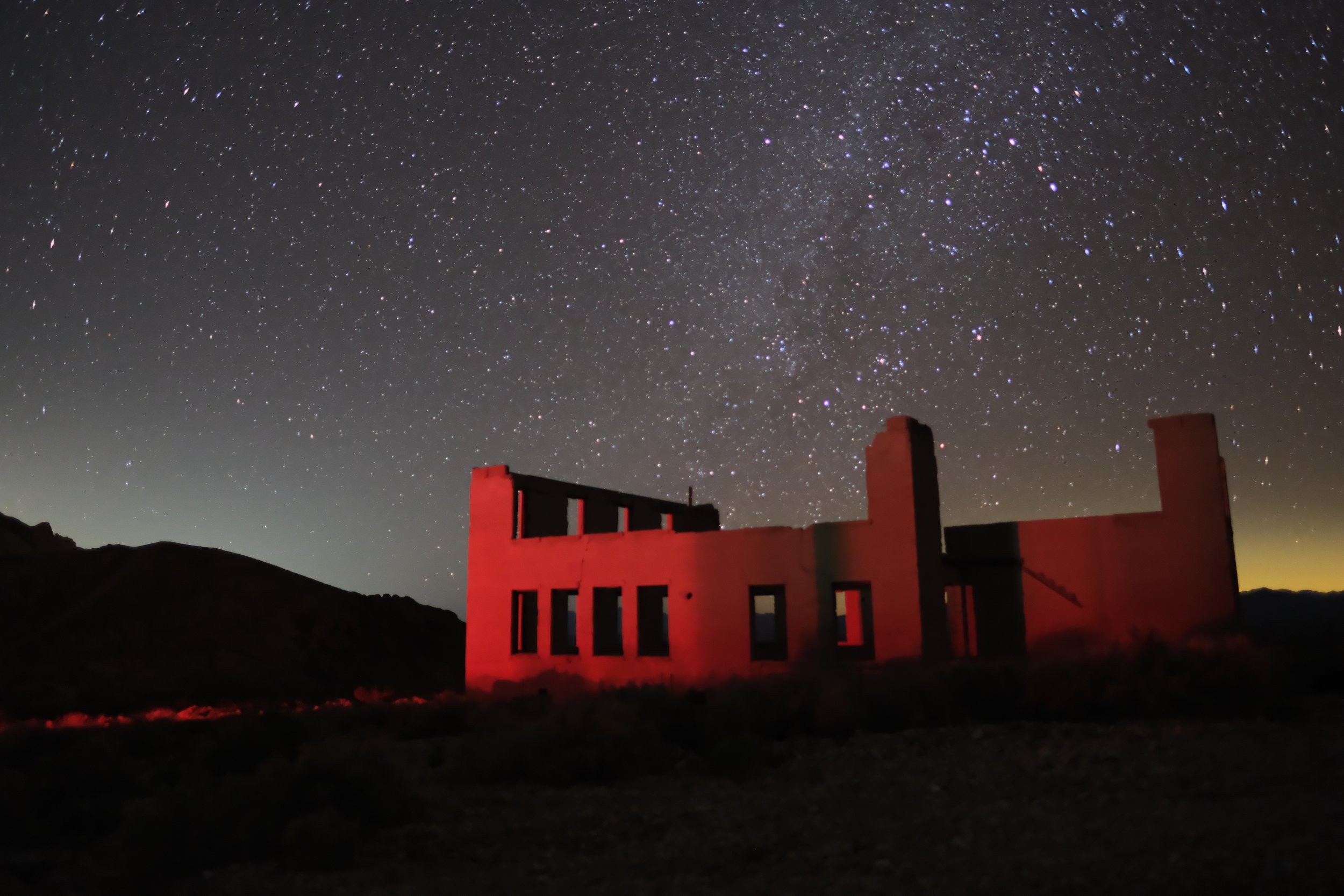
A (gold tier) dark sky park, Death Valley offers some of the best star gazing in the US due to its extreme darkness and low light pollution. Top viewing locations in the park include Mesquite Flat Sand Dunes, Badwater Basin, Harmony Borax Works and Ubehebe Crater according to nps.gov.

Prickly Pear Margarita Recipe (courtesy of Masterclass.com)

Ingredients
3 ounces Lunazul tequila
2 ounces Cointreau
2 ounces fresh lime juice
1 ounce prickly pear syrup
2 lime wedges or slices for garnish
Coarse salt
1. Wet the edge of your Margarita glasses with a lime wedge
2. Using a shallow bowl or a plate, coat the rims of the glasses in kosher salt
3. Add 4-5 ice cubes, tequila, Cointreau, lime juice, and prickly pear syrup to a cocktail shaker
4. Shake and strain the mixture into the prepared cocktail glasses
5. Garnish the cocktails with lime slices or wedges.
 
Laura McMahon