
Helpful Hint of the Month: How to Properly Load a Dishwasher
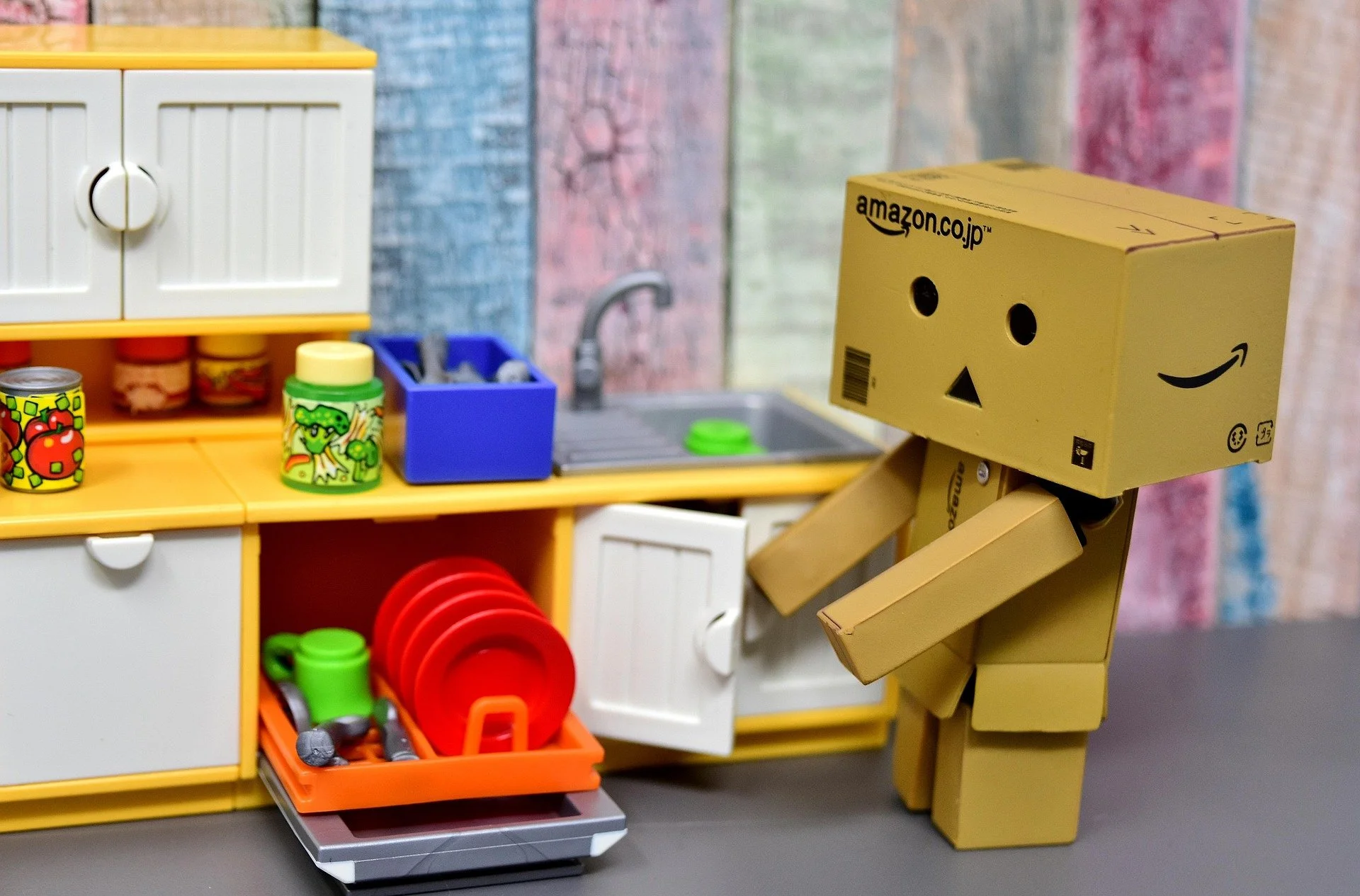
Photo by Chang Kim
Helpful Hint of the Month: How to Properly Load a Dishwasher
by Sweiskloss
Nov 12, 2026
by Sweiskloss
Nov 12, 2026
- Scrape food; don’t rinse. No need to waste water.
- Plates should be loaded in order of their size between the tines on the lower shelf to make unloading quick and easy. Angle dishes inwards, with their dirty sides facing the center of the dishwasher so the water jets can better reach surfaces.
- Larger items such as mixing bowls, casserole dishes and pots should be loaded along the side, back or front of the bottom rack, facing downwards and angled towards the center. Platters and flat pans should be placed on the side or back of the lower rack, not the front as that could block the detergent from reaching other dishes.
- If using a utensils basket, makes sure the cutlery is evenly distributed in the basket to prevent nesting, like when spoons rest against one another. Spoons and forks should be loaded with handles down. Knives should be placed with the blades pointed down for safety. Some dishwashers have a third rack for flatware, larger utensils, and awkwardly shaped items.
- Different metal types should be separated so that they do not touch one another, ex. Sterling silver should not touch stainless steel.
- Long utensils, such as spatulas or ladles, can be laid flat on the upper rack.
- Load glasses and mugs from back to front on the upper rack. Place them between the tinges, not over them. This will prevent them from scratching, chipping and leaving water marks.
- Small bowls can also be loaded on the top rack between the tines and angled bowl-side down toward the center of the dishwasher.
- Since the pressure is lower on the top rack, use it for delicate items such as plastic containers. Make sure they are dishwasher safe.
- Avoid overcrowding. Be sure to leave a little space between items. Stacking items too tightly together makes it difficult for the jets to thoroughly clean.
- Don’t let dishes obstruct the spray arms that contain the jets.
- Be sure to only load dishwasher safe items. Hand washing is typically recommended for nonstick cookware, kitchen knives, anything wooden, crystal glassware, fine porcelain, anything hand-painted, and cast-iron pans.
- Recommend not running your dishwasher while you are not home just in case the very rare chance there is a water malfunction.
- Sensor: The dishwasher senses how dirty your dishes are to automatically optimize the cycle.
- Normal / Everyday: Best for mixed loads and standard food residual.
- Heavy: If you’ve loaded the dishwasher with heavily soiled cookware, baked-on grease, etc. select this cycle that uses higher water pressure and hotter temperatures.
- Quick: Best for lightly soiled plates (and last-minute unexpected company).
- Delicate: Uses lower water pressure and reduced temperature making it safe for delicate glassware and porcelain.
- Eco / Energy Saver: Save electricity and water with lower temps.
- High Temp: The extra hot rinse is ideal for sanitizing.
- Rinse Only: Short detergent-free cycle rinses away food and prevents odors if you aren’t ready to run a full load yet.