Back to the Future: Ancient Construction Techniques Get a Modern Update

 
Back to the Future: Ancient Construction Techniques Get a Modern Update
by Sweiskloss
April 2, 2026
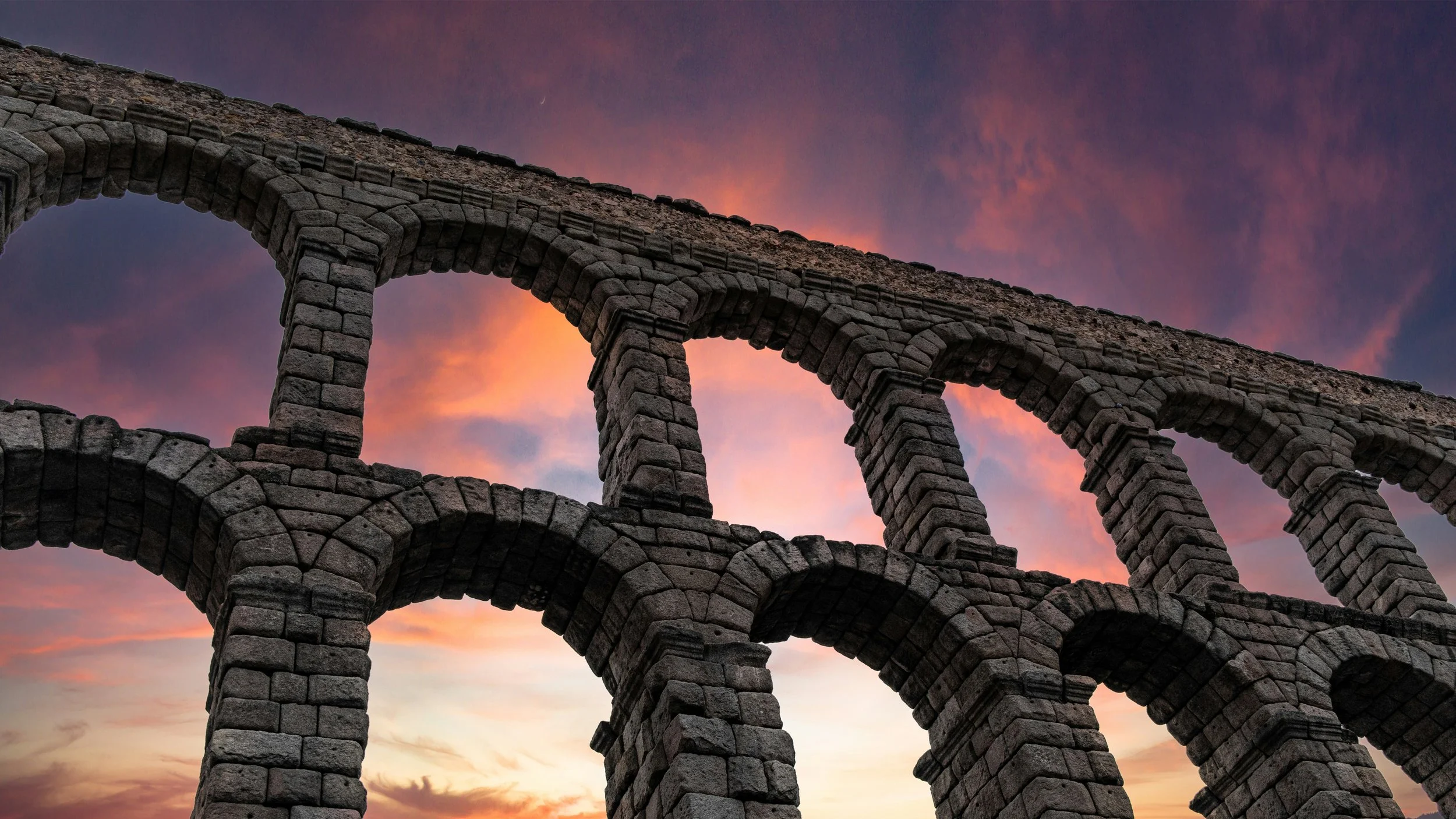
From the Great Wall of China to the Roman aqueducts, structures built with ancient construction techniques and materials have endured thousands of years. The modern reinterpretation of these timeless construction strategies in the interest of sustainability and affordability can be seen in projects around the globe.

Cement-Stabilized Rammed Earth
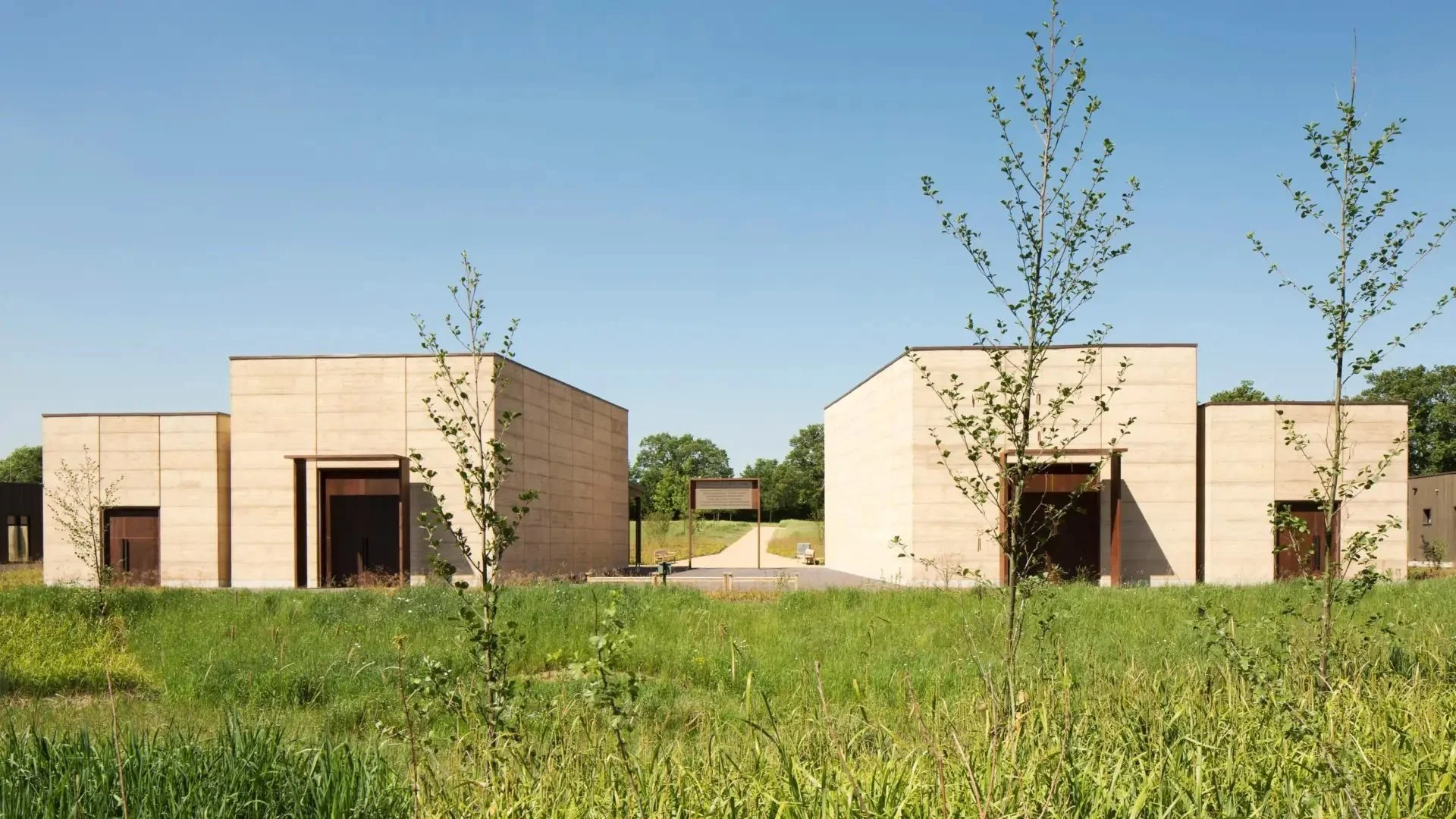
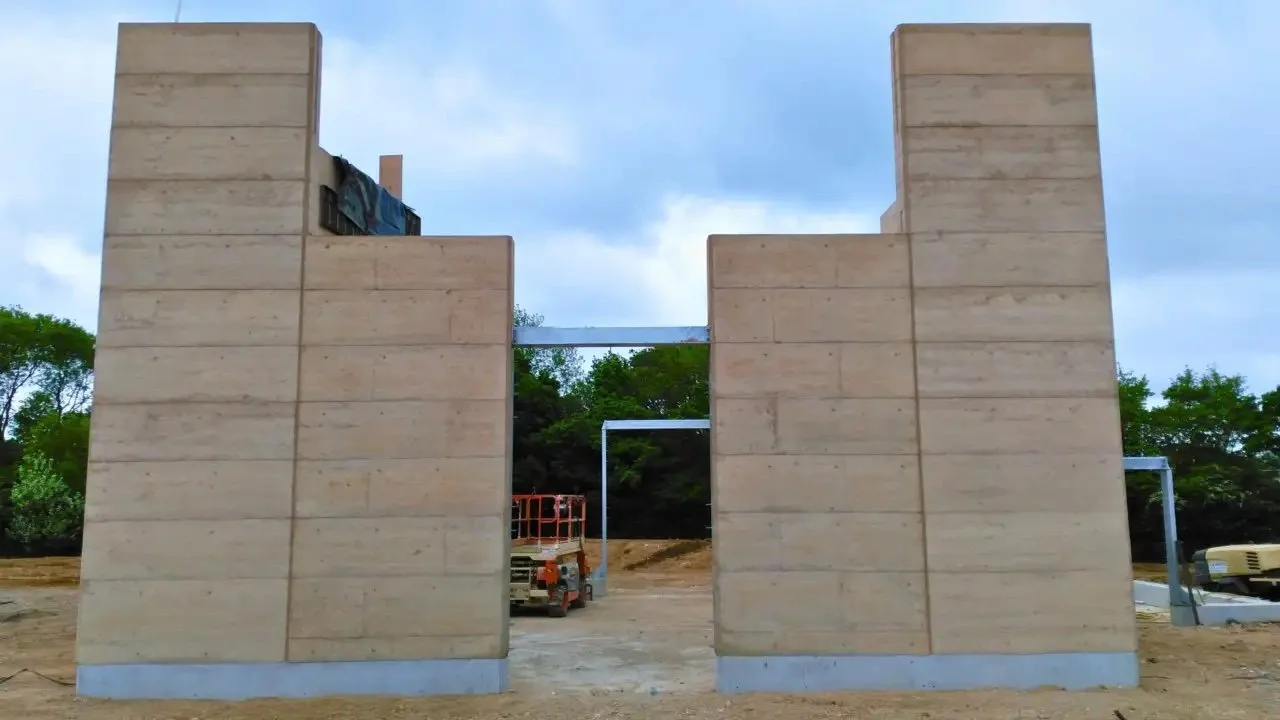
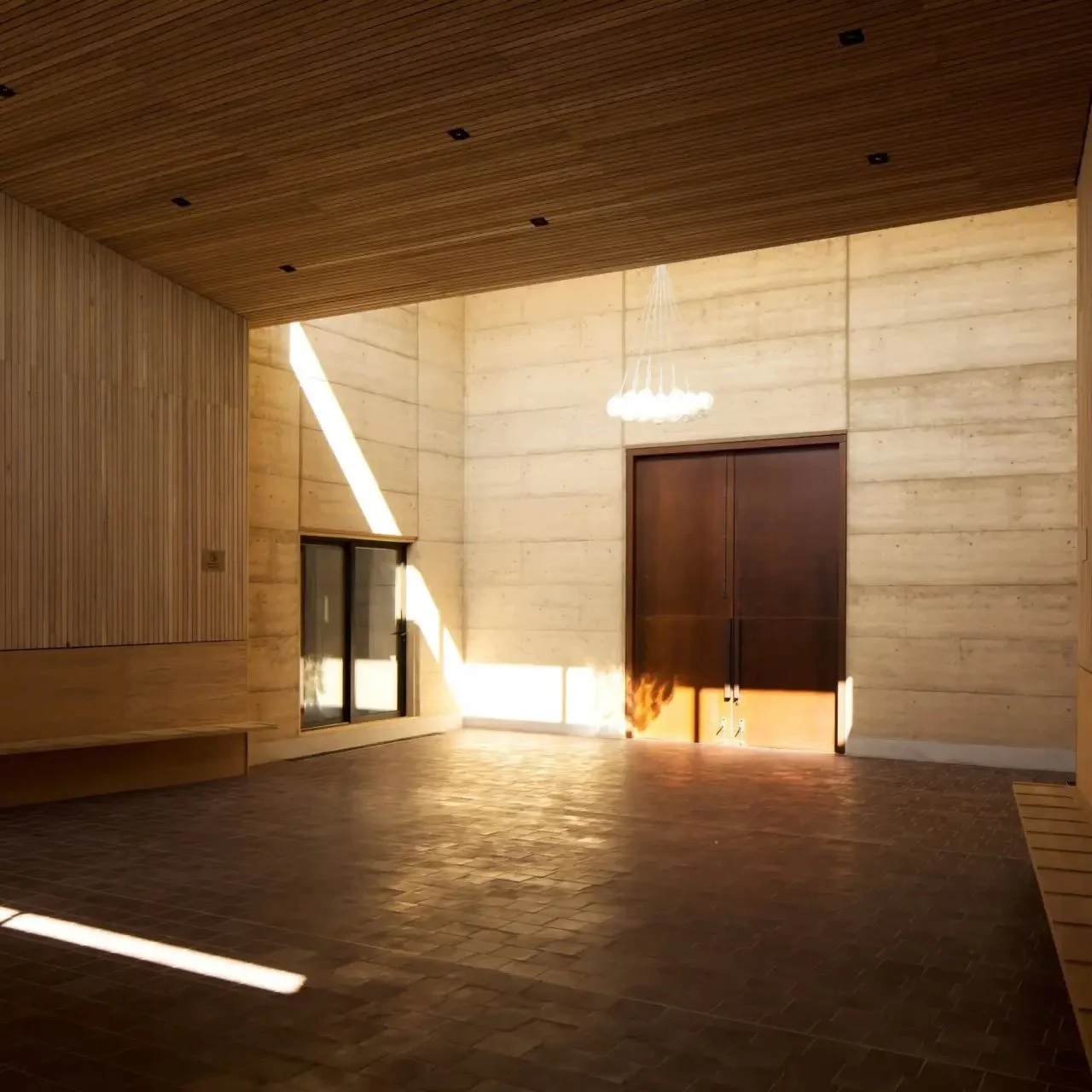
Rammed earth utilizes raw natural materials such as earth, chalk, sand and gravel, which are compacted to form the building’s structure including the foundation, floors, and walls. (See our blog https://www.sweiskloss.com/blog/rammed-earth for a more in-depth look.) The most famous construction utilizing rammed earth was the Great Wall of China built over 2,000 years ago. While the general methodology remains the same, Cement-Stabilized Rammed Earth (CSRE) mixes soil, water with a small amount of cement instead of other natural stabilizers, “improving the material’s strength” (archdaly.com). As the main component is still locally sourced soil, the costs and environmental impacts of transporting material are reduced. Since CSRE is cheaper than other common building materials, it is also an option for the construction of affordable housing. CSRE is ideal for places with harsher climates, as the small amount of cement makes it more resistant to severe weathering, rain, erosion and moisture. Western Australian Department of Housing has investigated the uses of CSRE in remote indigenous communities, while CSRE walls were used in the construction of the Deepanam School in Auroville, India. Some critics argue that once cement is added to the mix, “environmentally it’s not that much better than using a concrete block” (dezeen.com). However, British engineering firm Elloitt Wood, who used CSRE to build Bushey Cemetery in England, finds the concerns around cement content in CSRE to be negligible compared to the copious amount of concrete being poured in the UK.

Nubian Vault
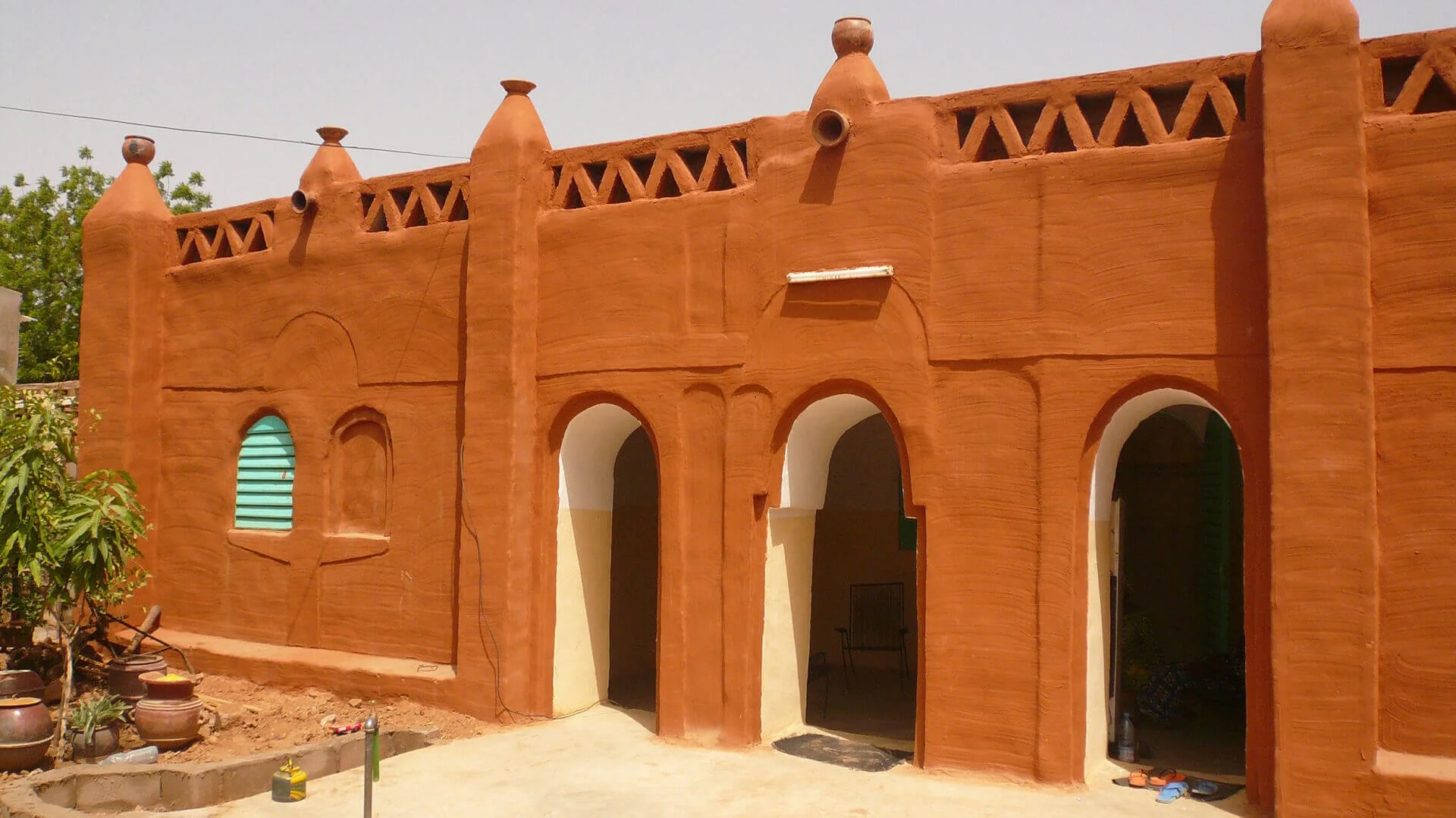
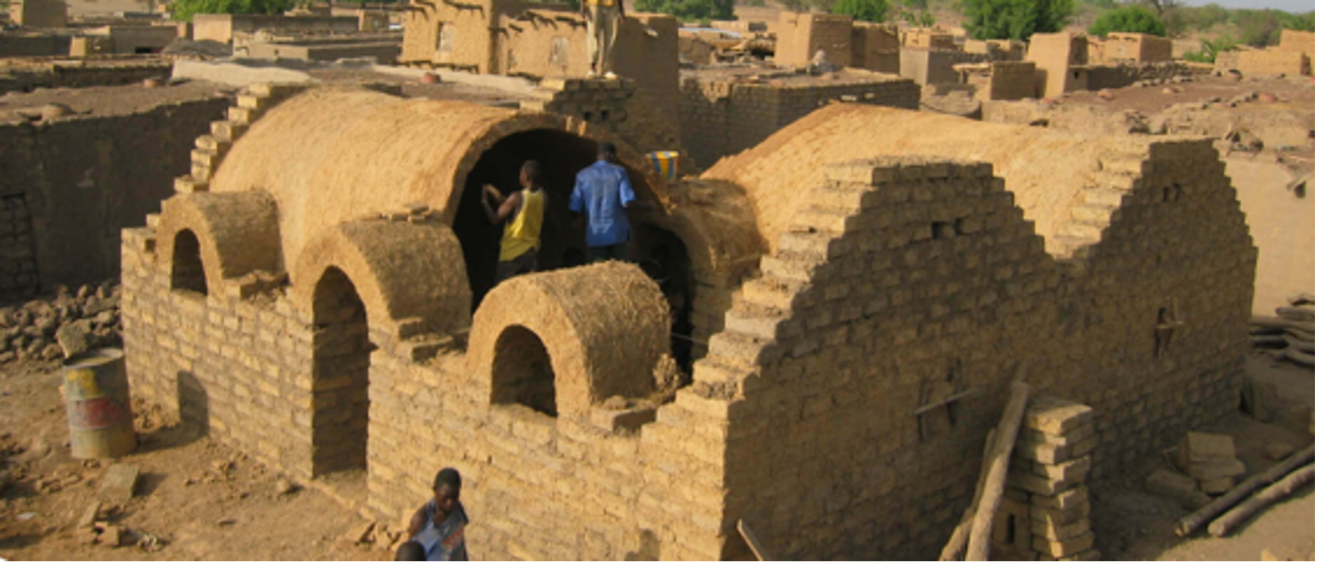
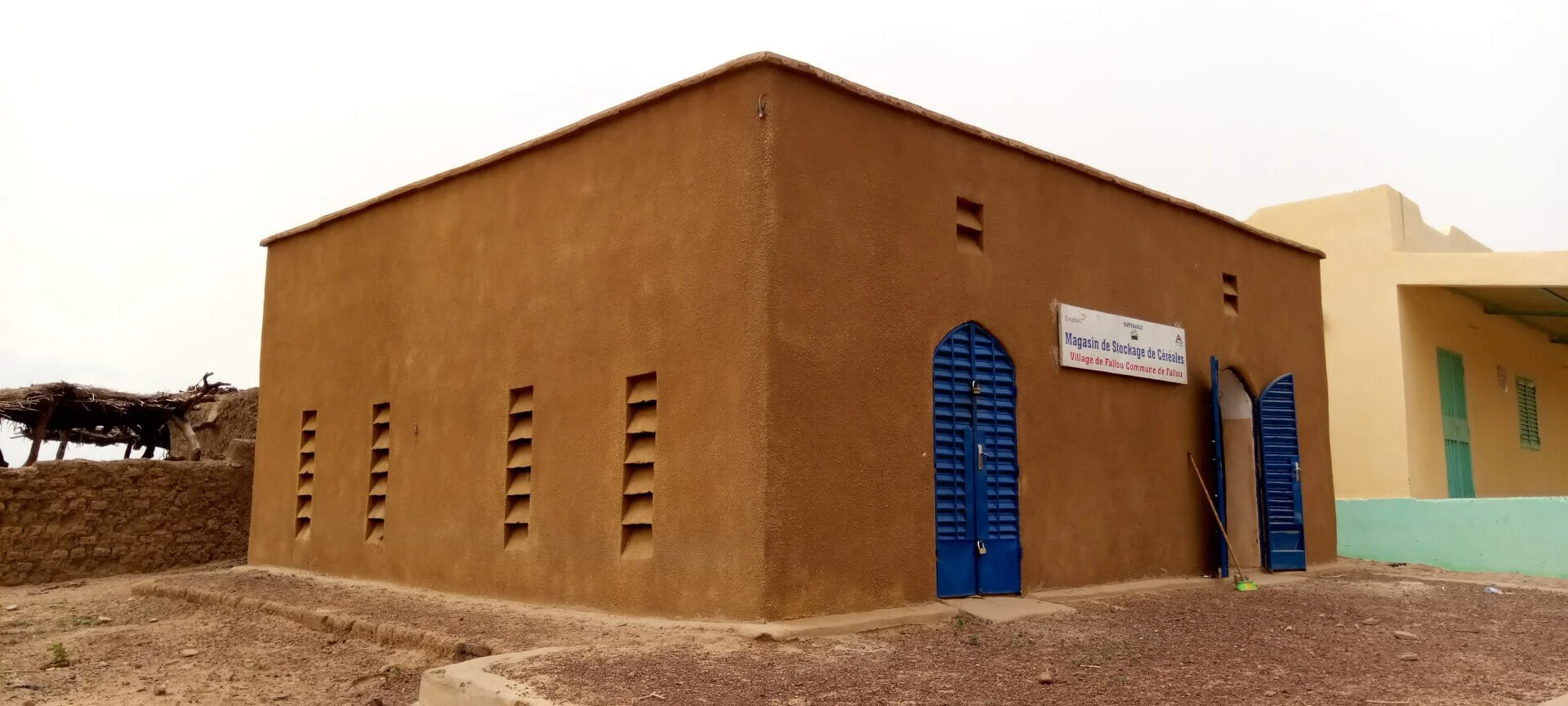
The Nubian Vault is making a comeback. Developed in ancient Egypt, this 3,000-year-old technique uses dried mudbricks to construct arched roofs without the need for timber (or sheet metal). Bricks overlap, so that each layer slightly overhangs the one below forming a vaulted roof. “The unique shape of the Nubian vault ensures that all the forces head downwards, compressing the bricks and actually making them stronger over time” (architizer.com). Because this technique relies on compression rather than tension, the vault is self-supporting, no scaffolding or buttressing needed. The Nubian Vault Association (NVA) is championing the technique as a sustainable and affordable solution in regions where deforestation, limited access to modern building materials, and harsh climates have created significant challenges (lavoutenubienne.org). The process can be adapted to local economies and communities where materials and labor are locally sourced. The method is ideal for places in arid regions with sweltering days and cooler nights, as the thick mud walls have high thermal mass, so they absorb the day’s heat and release it slowly at night. Utilizing local materials reduces cost, limits carbon footprint associated with construction, and is sustainable. The NVA have “enabled the construction of over 7,000 of these climate friendly houses in Burkina Faso, Mali, Senegal, Mauritania, Gahana and Benin since the year 2000” (adaption-unp.org).

Dougang
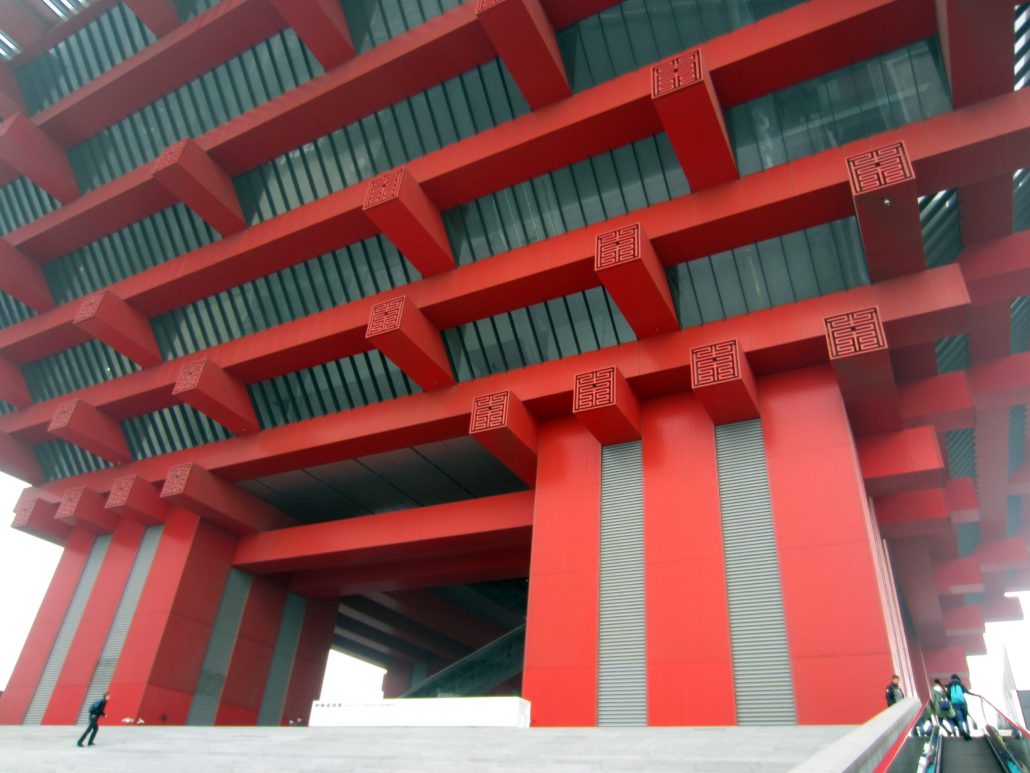
A sophisticated Chinese wooden bracket system used to support overhanging eaves without nails, Dougang is an over a thousand-year-old technique that is being implemented not just for its structural qualities but also its aesthetic appeal. Consisting of a series of interlocking brackets, this building innovation has come to symbolize traditional Chinese architecture. It has an enduring appeal in the country and was used in Shanghai’s China Art Museum, which relied “on the technique’s structural qualities to produce the building’s extraordinary tiered-roof” (archdaily.com).

Tsuchikabe and Takumi
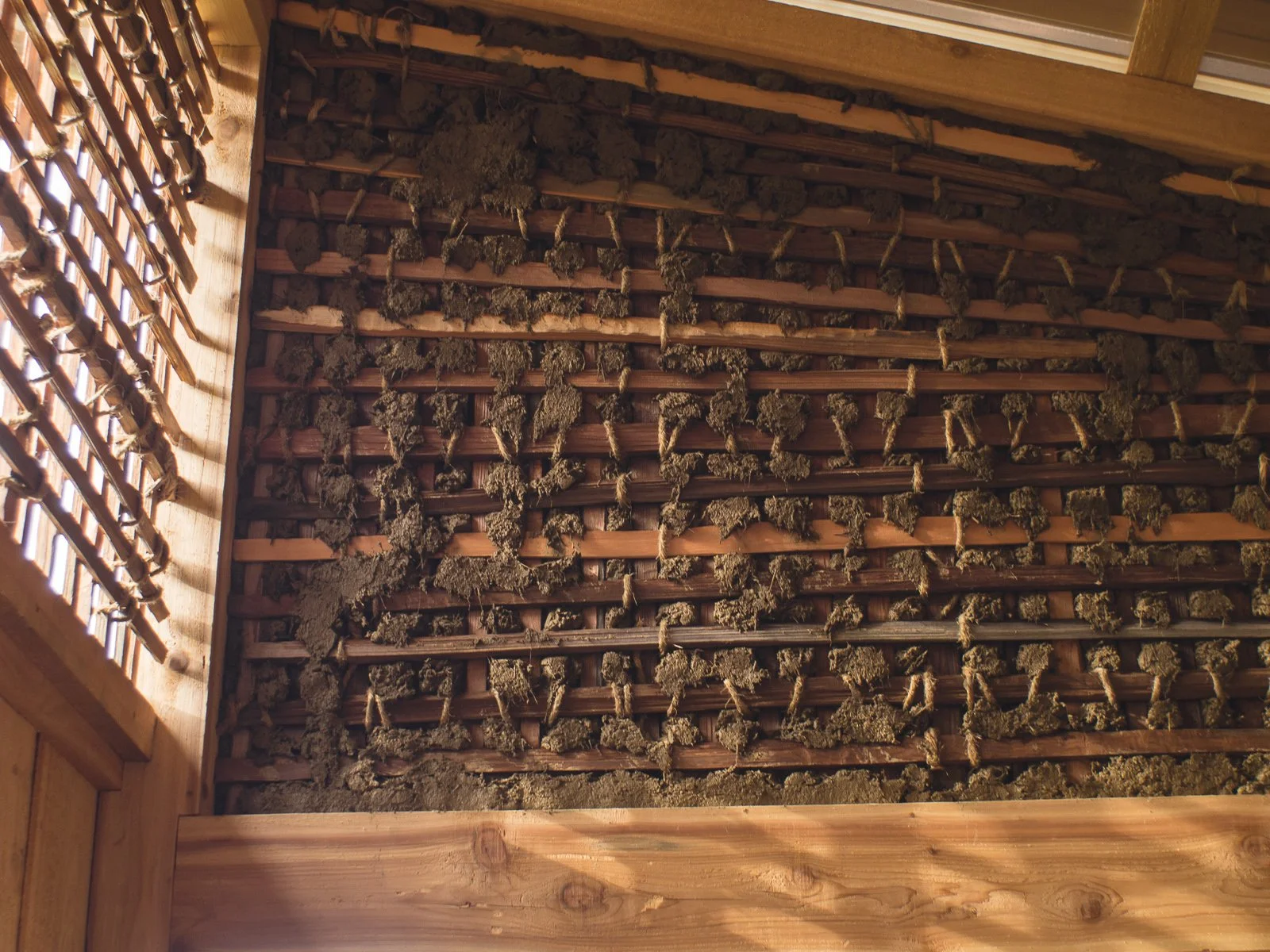
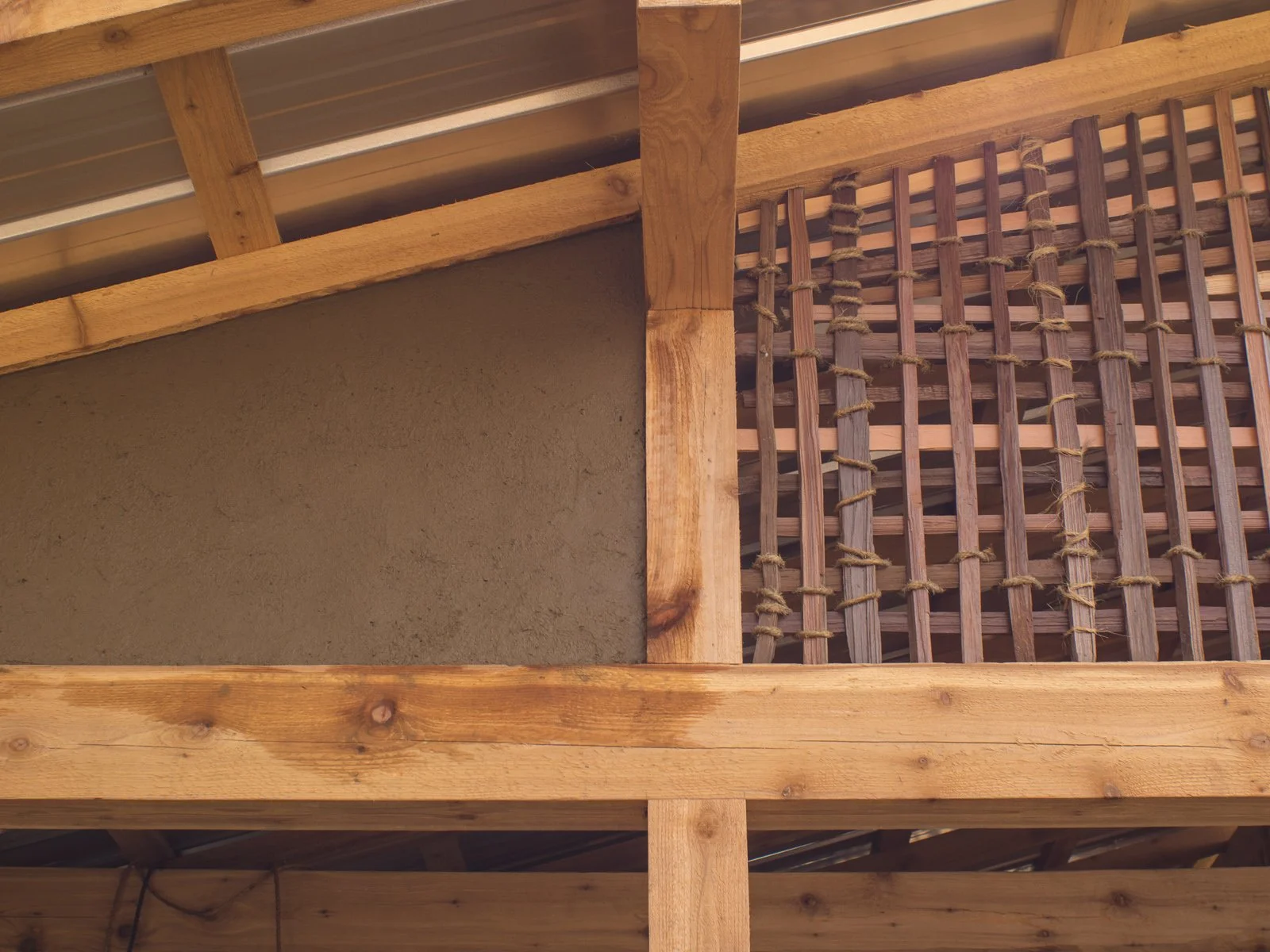
Tsuchikabe is a traditional Japanese earthen wall construction technique featuring woven bamboo lattice (Takumi) covered with layers of fermented clay, sand and straw. The fermentation strengthens the mixture and increases it viscosity. Applied in several layers, the breathable walls can regulate humidity, provide high thermal storage and help moderate temperature fluctuations, thereby contributing to lower energy costs. Using local materials further reduces transportation costs and environmental impact. The Takumi Company in Seattle, WA, integrates this ancient Japanese technique into their contemporary designs from residences to teahouses to furniture. In Europe and North America this technique was often called the Wattle and Daub referring to the lattice branches and mixture respectively.

CobBauge
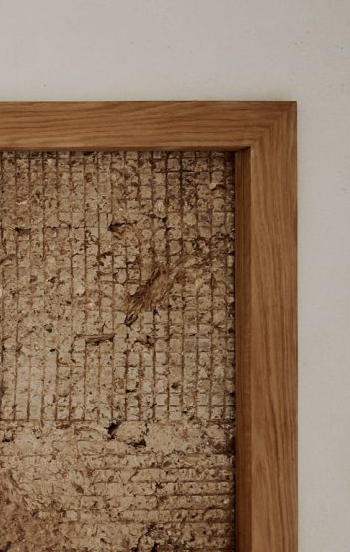
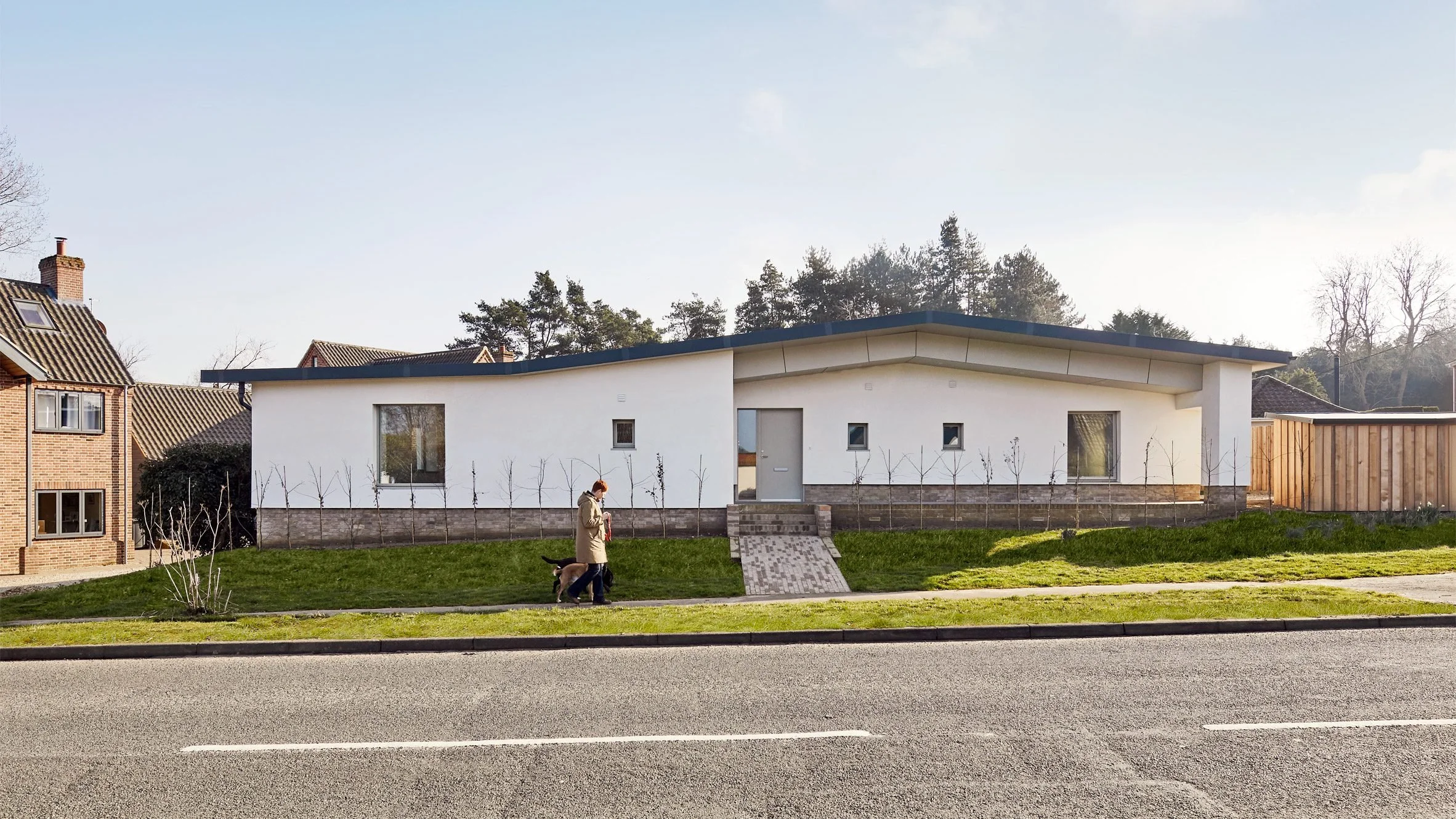
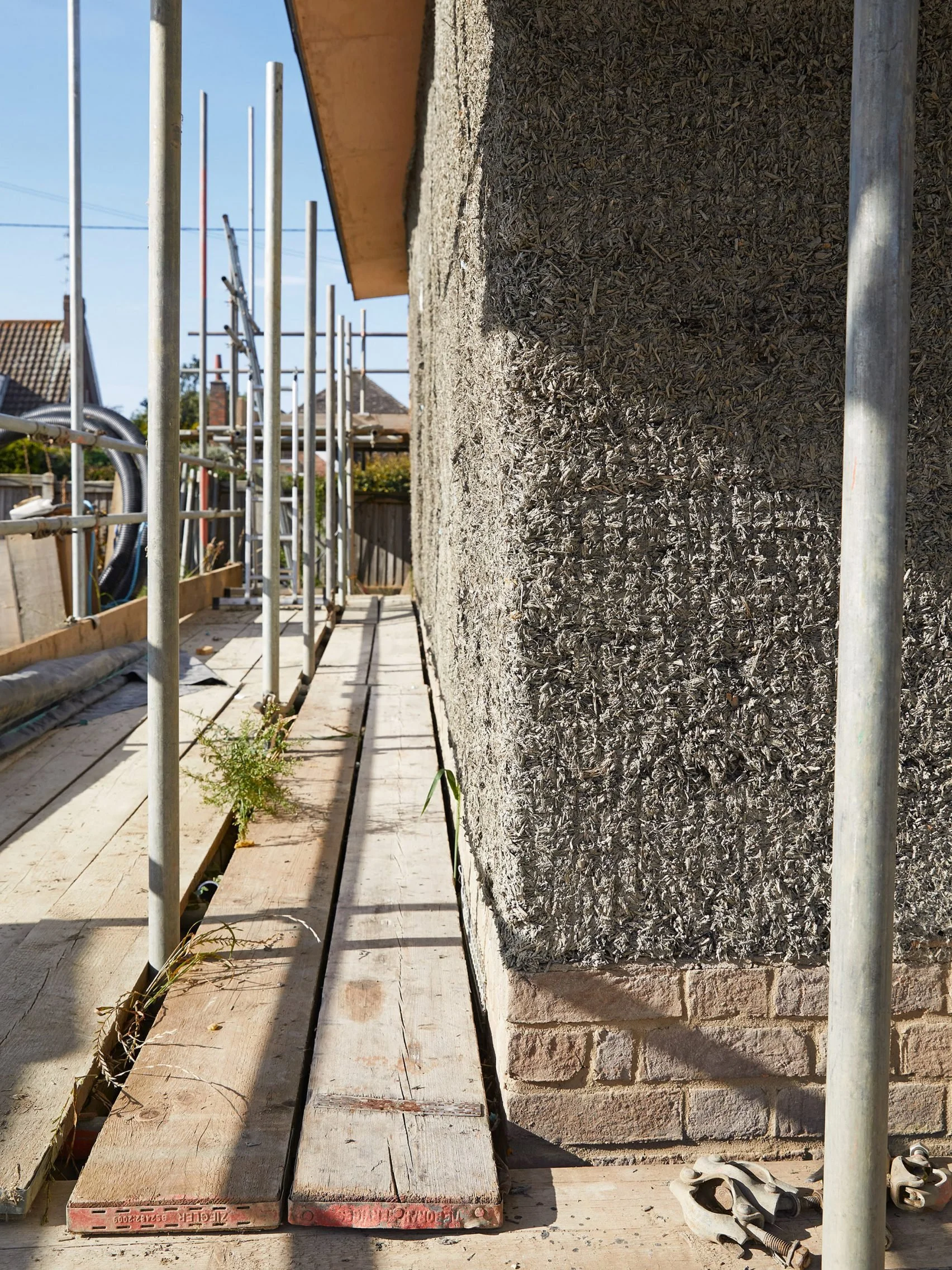
Cob, used in England and France for hundreds of years, combines soil, clay, straw and water to create biodegradable, energy efficient and humidity regulating buildings. The mixture is applied in sculptural layers and is ideal for organic shapes and curves. However, because cob has “weak thermal and structural properties”, it does not satisfy modern construction codes (archdaily.com). The University of Plymouth has been investigating a new mix, CobBauge, that does satisfy modern regulations. UK-based Hudson Architects used CobBauge to build a one-story home in Norfolk in 2023, making it the first residential project constructed from this material. While it is a labor-intensive process its numerous benefits “includ[e] its low embodied energy, low cost, and high thermal mass. It is also recyclable, breathable and absorbs volatile organic compounds” (dezeen.com).

Other tried and true construction techniques include: Stone Masonry: From the Egyptian pyramids to Machu Picchu, stone masonry entails precise stone cutting and fitting, eliminates the need for mortar, and allows for structural stability and “flexibility during seismic events” (sumerinnovations.com); Natural Passive Ventilation: ancient architects understood the importance of air flow with courtyards and atriums, and today’s passive house designs feature precise solar orientation and shading, and optimize indoor-outdoor living; Adobe: Like Cob, Adobe uses a similar mixture of coil, clay, sand and water, but molds them into sundried bricks which are then stacked and held together with mud mortar.

Combined with advances in science and technology, traditional construction techniques can offer relevant solutions to contemporary questions of environmental responsibility. These ancient strategies tackle modern day issues by reducing CO2 emissions, decreasing construction waste, and provide sustainable, non-toxic, and energy efficient options.
 
Laura McMahon