“Fashion is architecture” – Coco Chanel

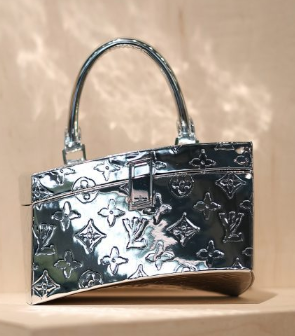
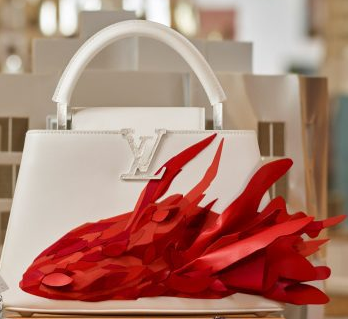
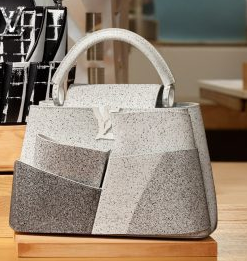
“Capucines MM Concrete Pockets,” Frank Gehry x Louis Vuitton, Photo by Mario Kroes, via dezeen.com

 
“Fashion is architecture” – Coco Chanel
by Sweiskloss
Oct 1, 2026
Sheer suits, toeless knee-high boots and an all-gold collection defined the opening days of Paris Fashion Week that runs from September 28 to October 6. From a runway suspended over a pond in the Jardin des Tuileries, to an all-people of color cast strutting down the runway with mannequins slumped over their backs, the season opened with colorful collections and dramatic spectacles.

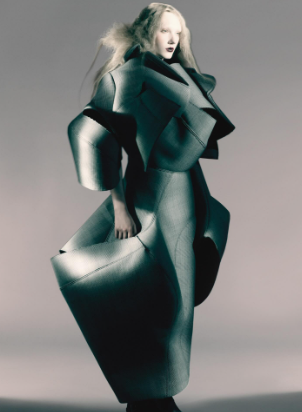
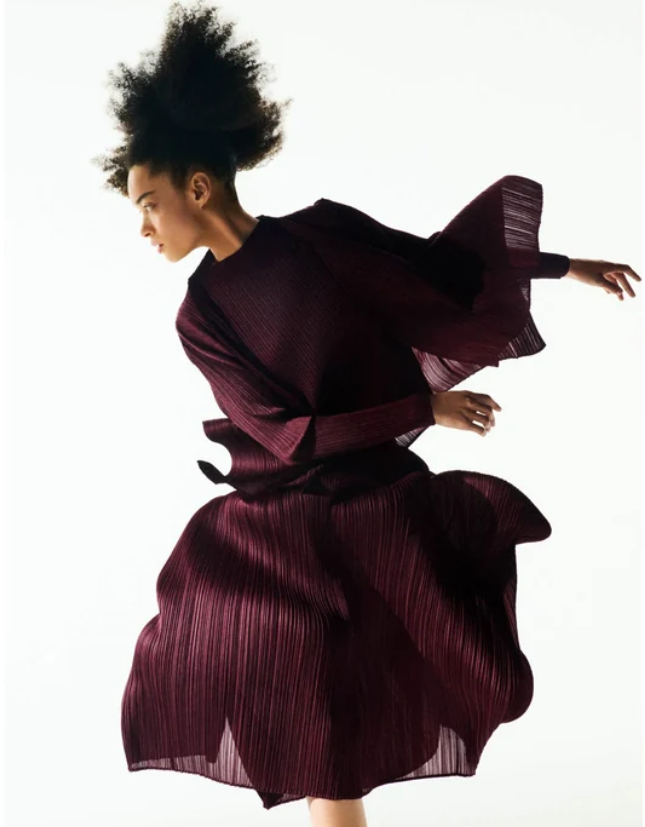
Believe it or not, some of the biggest names in fashion started off studying architecture. Versace, Balmain, Cardin and Tom Ford all studied architecture before switching to fashion, while Swedish designer Jenny Grettve and Brazilian designer Gustavo Lins both completed master’s in architecture. Other designers have been influenced by architecture such as Rei Kawakubo of Comme des Garcons who admired Swiss architect Le Corbusier’s simplicity and spaciousness so much that she designs clothing that function more like structures than garments (highsnobiety.com). Similarly, Issey Miyake translated architectural pleating and structural flexibility into his clothes (sndesignstudio.ca).
“There’s a strong interplay between the design elements involved in both architecture and fashion” (highsnobeity.com). The basic elements of both are similar – geometry, structure and function- and both are creative and solution based using a variety of techniques and materials. So, it is no wonder that many architects have designed stunning flagship stores for luxury labels such as Prada’s Tokyo store designed by Herzog & de Meuron, and Louis Vuitton’s wave-inspired store in Japan created by Peter Marino and Jun Aoki. But many architects have taken it one step further actually collaborating with designers on handbags, shoes and jewelry.

Frank Gehry
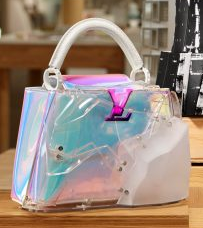
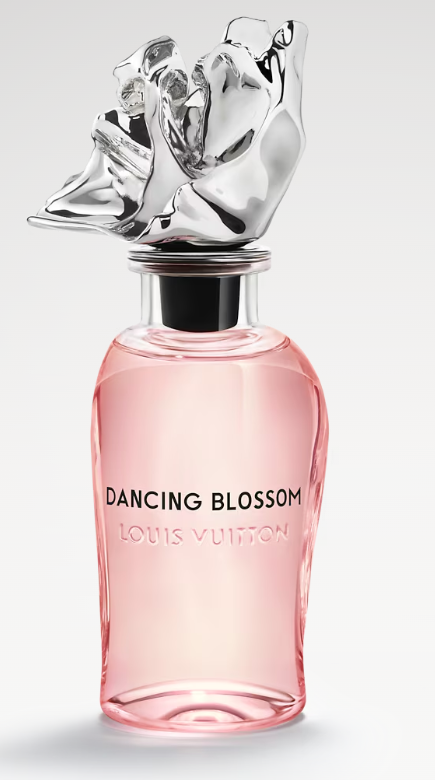
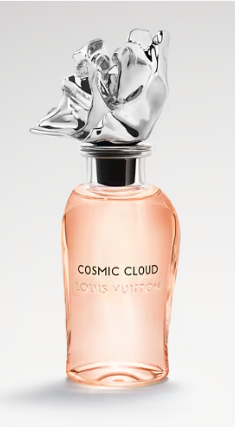
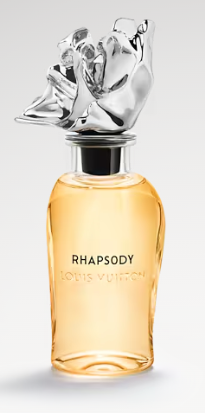
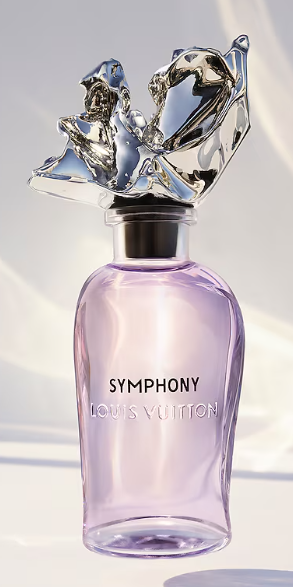
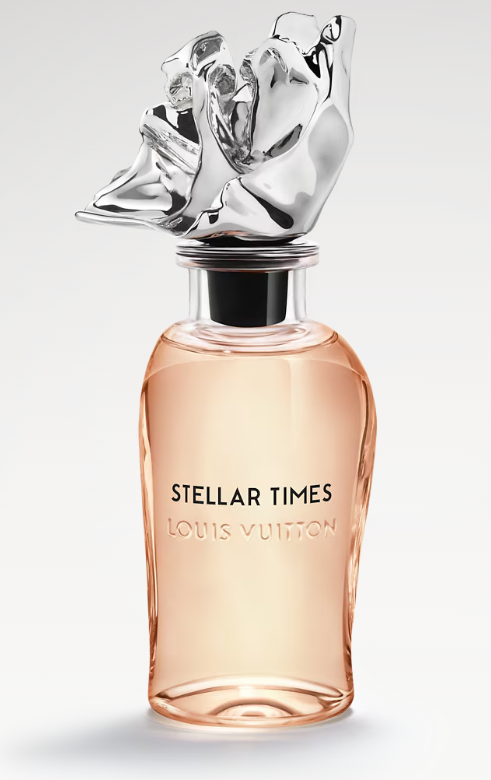
In addition to designing the Louis Vuitton Foundation building in Paris, Frank Gehry collaborated with the luxury label on several projects. In 2021 Gehry created a perfume bottle for LV’s Les Extraits Collection of five scents. The curved shape bottle embodied the spirit of sailing and resembled a transparent sail blowing in the wind, capturing movement and ephemerality. The crinkled aluminum cap featured a falcon topped with a sculpted blossoming flower. Gehry’s 11-piece limited edition sculptural LV handbag collection included the “Twisted Box” bag that contorted the original trunk shape, and the “Capucines MM Concrete Pockets” bag which recreated the concrete textures and tones of some of Gehry’s buildings. Other bags in the collection explored unique materials such as the iridescent PVC panels used in “Capucines BB Shimmer Haze” while whimsical animal designs like the fish and crocodile appeared on the “Floating Fish” clutch in a nod to the interior he designed at London ‘s Sexy Fish restaurant.
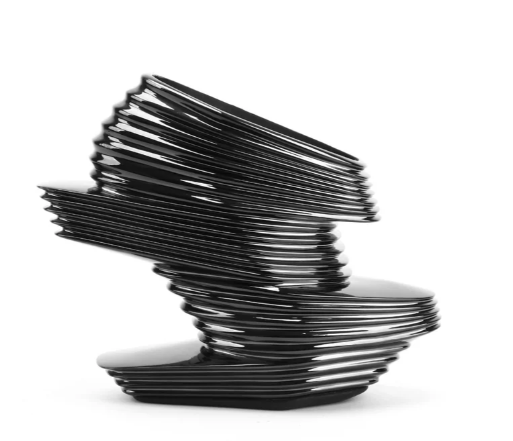
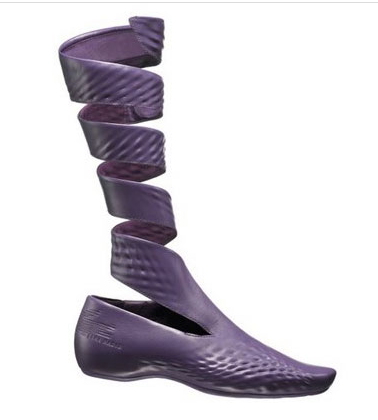
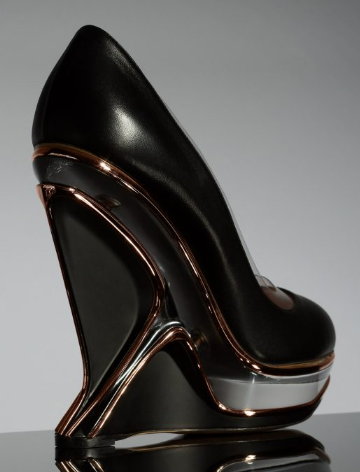
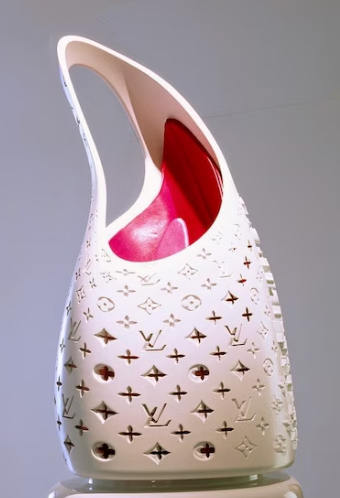
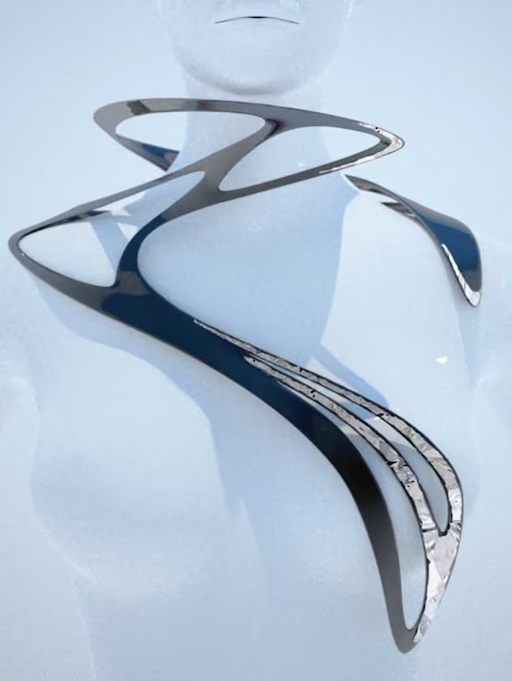
Known for her fluid, sweeping, and gravity-defying buildings, Zaha Hadid brought the same curved innovations to her collaborations in the world of fashion, jewelry and footwear. Designed for Swarovski in 2008, the Celeste necklace featured a fluid curvilinear shape. The dynamic form of the necklace wraps around the neck, shoulder and torso creating a sensual and organic piece. Partnering with Rem Koolhaas’ United Nude, Hadid designed a 16cm cantilevered heel, the nOVa shoe, in 2013. The daring shoe drew upon structural principles utilizing “rotation molding” with vinyl, fiberglass, rubber and leather to create the illusion of an unsupported high heel. Her passion for shoes was evident in her collaborations with Charlotte Olympia, Melissa, Adidas and Lacoste, and the flagship store she designed for Stuart Weitzman. Hadid’s take on Fendi’s classic Peekaboo handbag featured layers of carefully crafted leather evoking pages of a book, while her reinvention of LV’s bucket bag distorted the bag’s proportions making it appear to be suspended in motion.
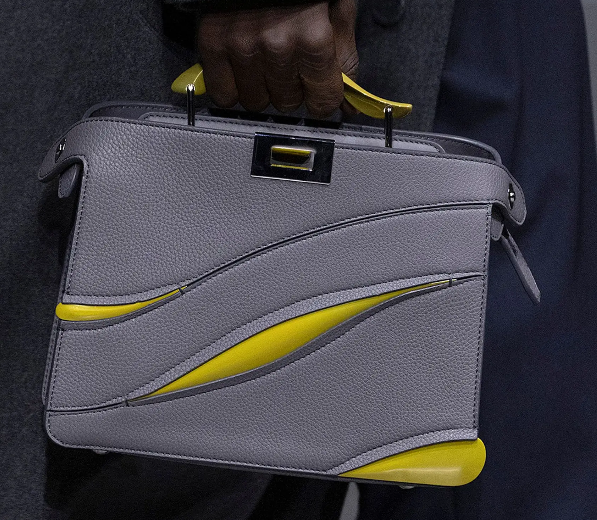
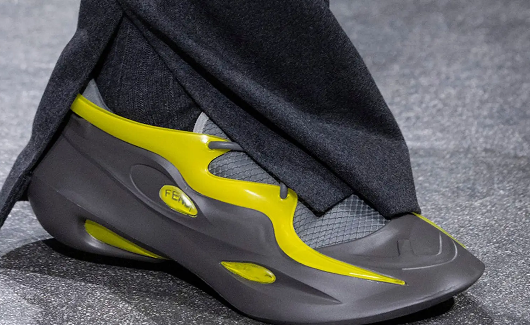
The founder of MAD architects brought his organic, nature-inspired vision to Fendi reimagining the label’s iconic handbag and ergonomic sneaker. Yansong’s interest in science fiction, which inspired his surreal buildings, translated into futuristic designs in fashion. His interpretation of the Peekaboo ISeeU bag featured “curving wave-like panels of leather across its futuristic façade with … colored aluminum emerging from beneath” (wallpaper.com). The ergonomic slip-on sneaker had a molded sole reminiscent of the sweeping silhouettes of his budlings with bubble details and metal accents adding a textural element.

Kengo Kuma
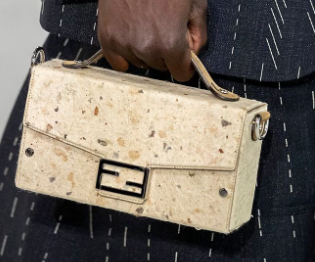
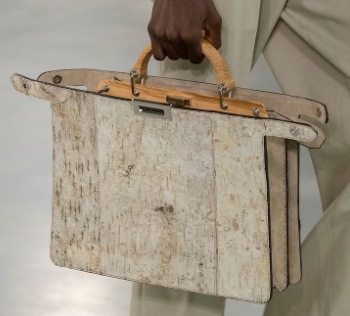
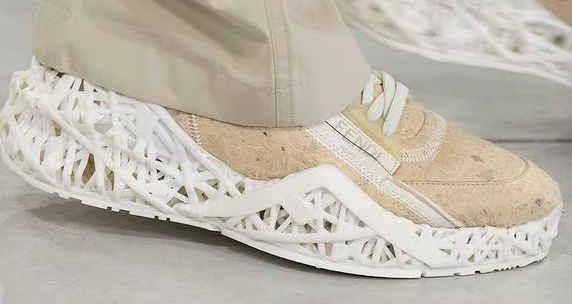
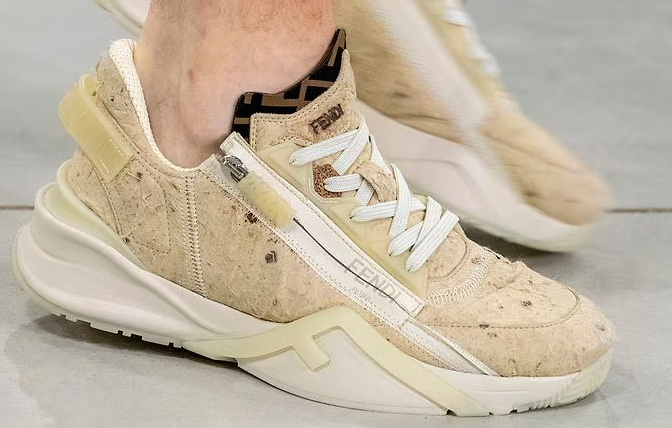
Japanese architect Kengo Kuma used ancient Japanese craft techniques to create a line of accessories for Fendi including the label’s Baguette Soft Trunk and Peekaboo bags and Flow sneakers. The bags were constructed from the bark of Tuscan olive and birch trees and were combined with the soft texture of waranshi, “a washi paper hybrid… traditionally used in origami, lantern-making and kimono detailing” (parametric-architecture). The Flow sneaker combined the texture of the washi paper with 3D-printed yatara knitting, a structured weave signature to Kengo’s architecture. Kuma incorporated natural and raw materials into the designs, giving them a distinct texture and visual appeal.
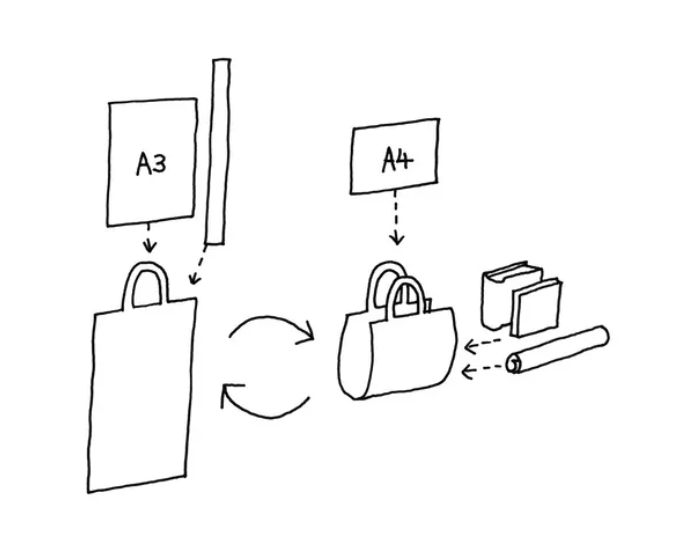
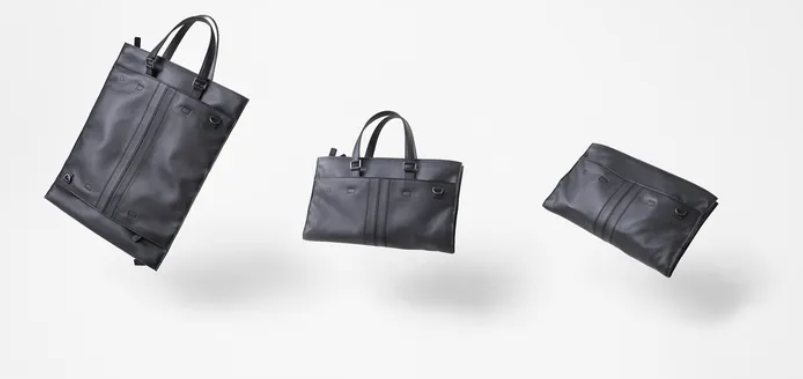
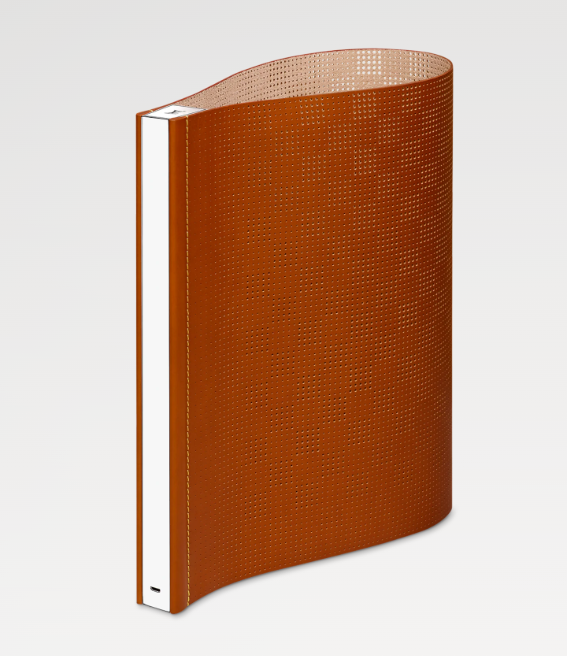
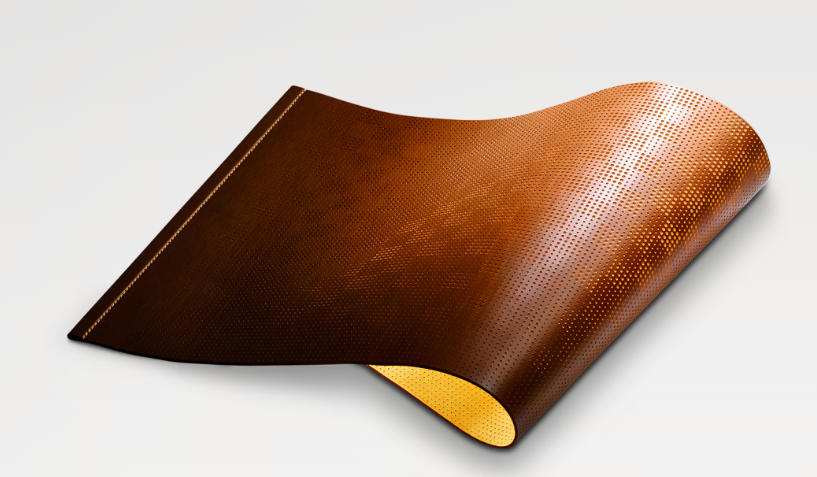
Solidifying the connection between architect and design, Japanese architect Oki Sato, founded the design studio Nendo, which focuses primarily on product design. The studio has created window displays for Hermes, retail spaces and displays for Camper, and a small range of housewares for COS. The studio also teamed up with Kenzo to create the bottle for their unisex fragrance. The dark purple glass bottle is designed in the shape of a totem pole. The Architect’s Bag, created for Tod’s, was designed for, you guessed it, architects with the shape changing depending on the contents. For LV, Nendo created the Surface Lamp, a portable, rechargeable lamp made from calfskin leather that reveals LV’s emblematic Damier pattern when lit.
 
Laura McMahon