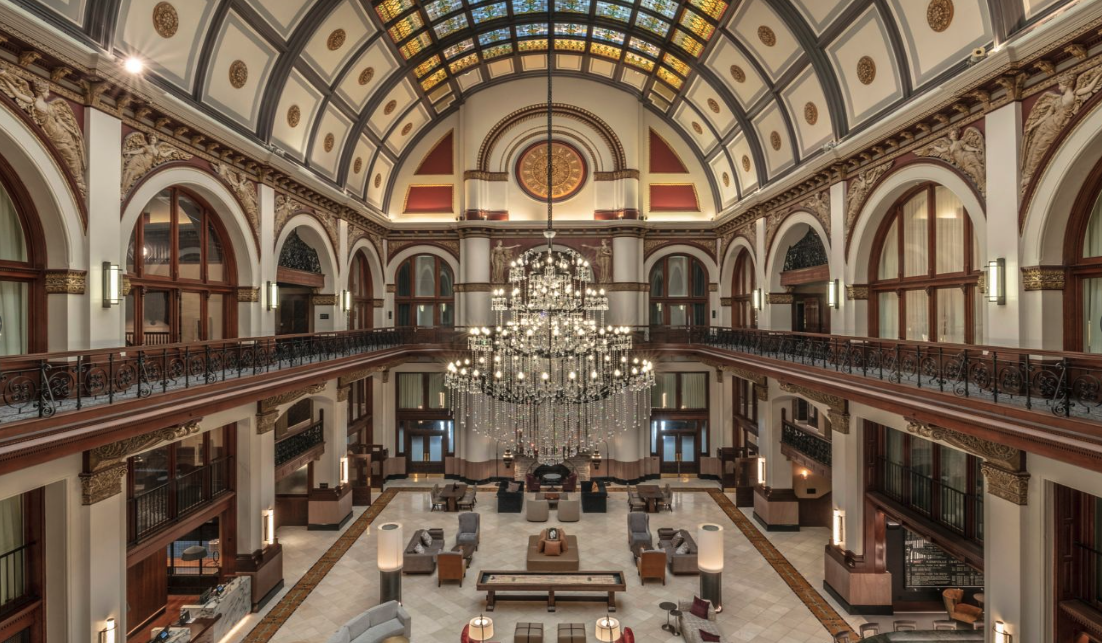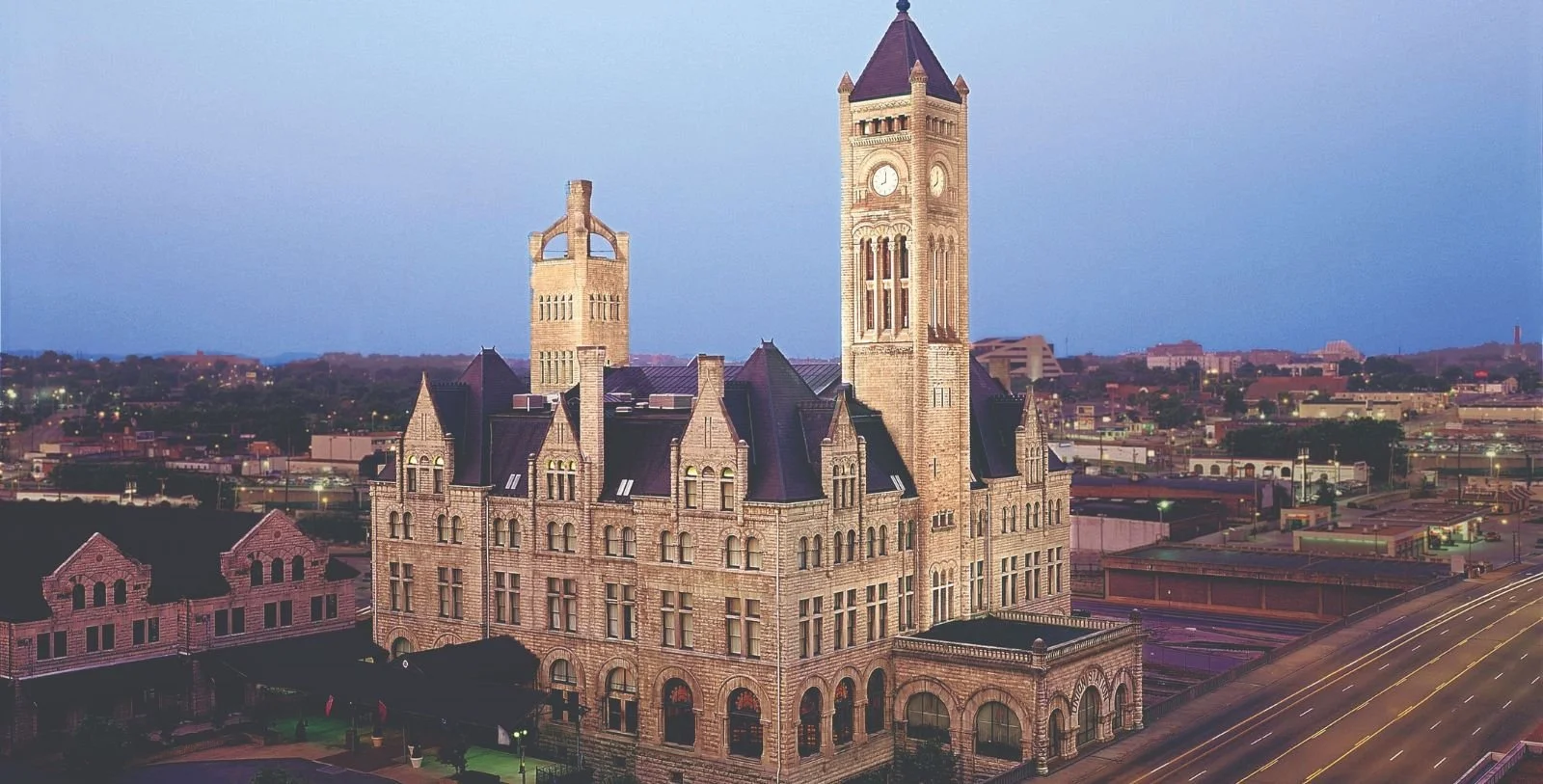
Image of Union Station Nashville Yards, courtesy of historichotels.org
Spring Break
by Sweiskloss March 5, 2026
March means school’s out for Spring Break. But history class doesn’t need to end just because you’re on vacation. These interesting hotels have transformed turn of the century train stations, converted factories and adapted prisons into extraordinary places that are architecturally striking and chock full of history. Happy Travels!
The Liberty, Boston, MA
Images courtesy of marriott.com
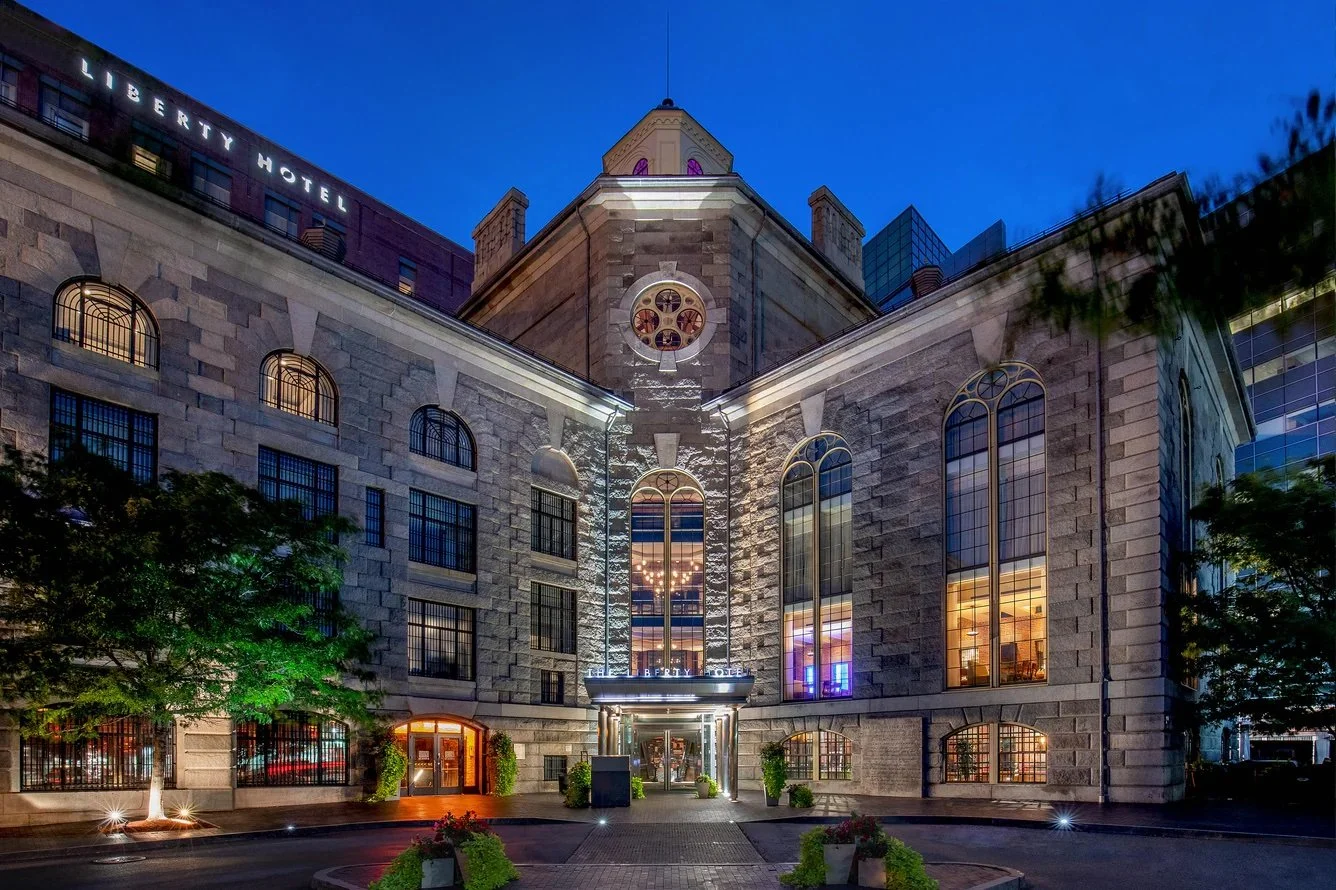
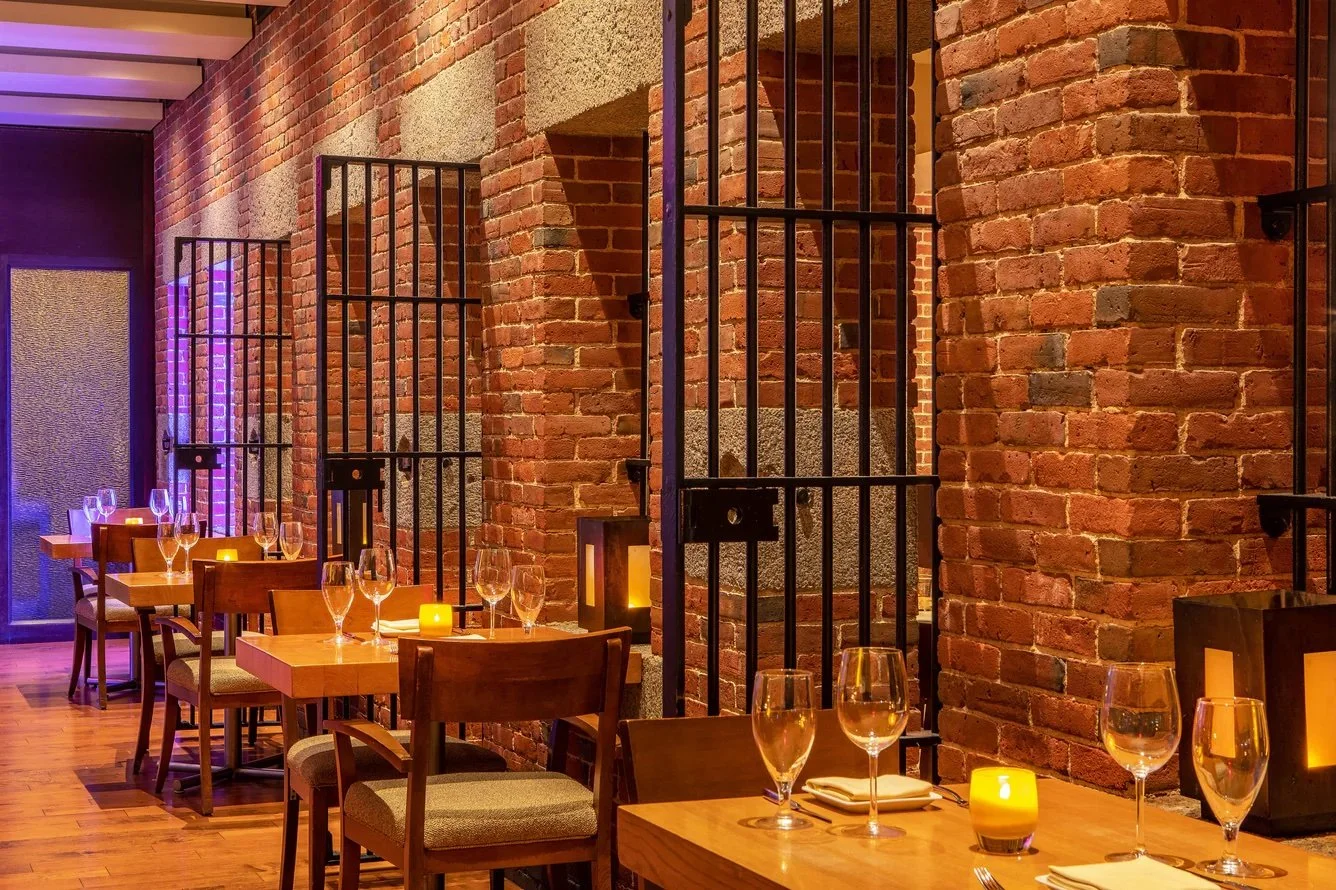
Boston’s Charles Street Jail, built in 1851, is now a refined luxury hotel that “delights in [their] rich history.” Built in the “Granite Style”, Cambridge Seven Associates renovated the structure’s massive granite walls and arched windows and recreated the large cupola from the original sketches. New custom windows were added to match the original. Historic remnants of the jail, including catwalks, cell doors and iron gratings were re-installed (annumarchitects.com). In the aptly named CLINK restaurant, guests can eat in preserved jail cells that are now cozy dining nooks. Former “drunk tanks” have been converted into the Alibi Bar with exposed brick walls. Leaning into its history, “Do Not Disturb” signs are instead worded “Solitary”. The former exercise yard is a beautifully landscaped courtyard. I’m sure the prison’s previous “guests” (Famous inmates included former Boston Mayor and Governor James Michael Curley, Malcom X, Sacco and Vanzetti) never could have imagined anyone willingly staying here!
St. Louis Union Station Hotel, St. Louis, MO
Images courtesy of Hilton.com
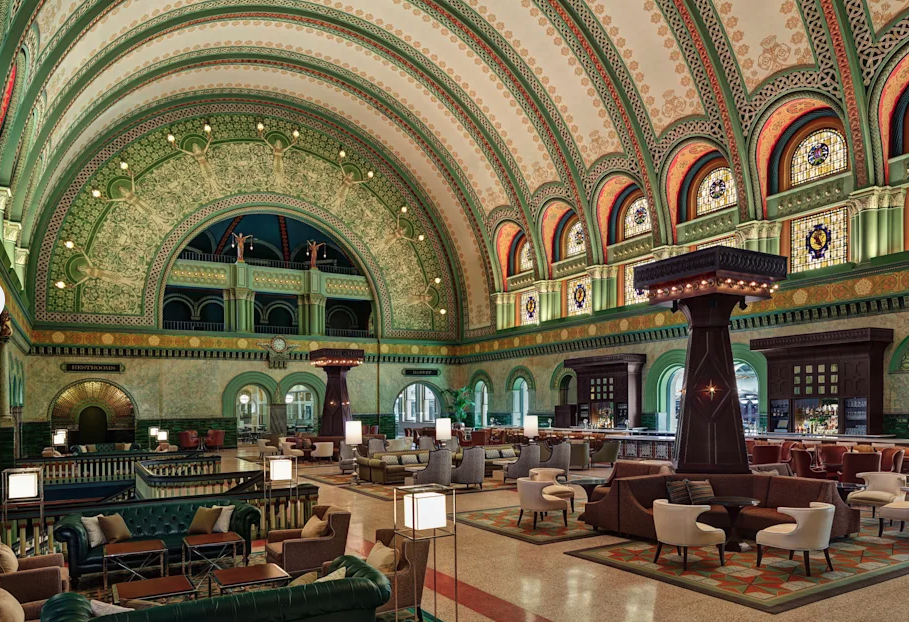
As the name suggests, the St. Louis Union Station Hotel was once a train station. Built in 1894, it featured Romanesque architecture, gold-leaf detailing and massive arched ceilings. Closed in 1978 after the passenger rail service ended, the station was renovated in 1985 and converted into a hotel. The structure has retained the elegant archways and décor of the station’s Grand Hall, with original terrazzo floor, green glazed terracotta bricks, and carpentry detailing. Original stained glass and ornate plasterwork have also been restored. “Clock Tower Suites have train-themed décor, and each guestroom is labeled with the name of a railroad ticketing agent whose offices were once in that section of the building” (historichotels.com).
The Union Station Nashville Yards, Nashville, TN
Images courtesy of marriott.com
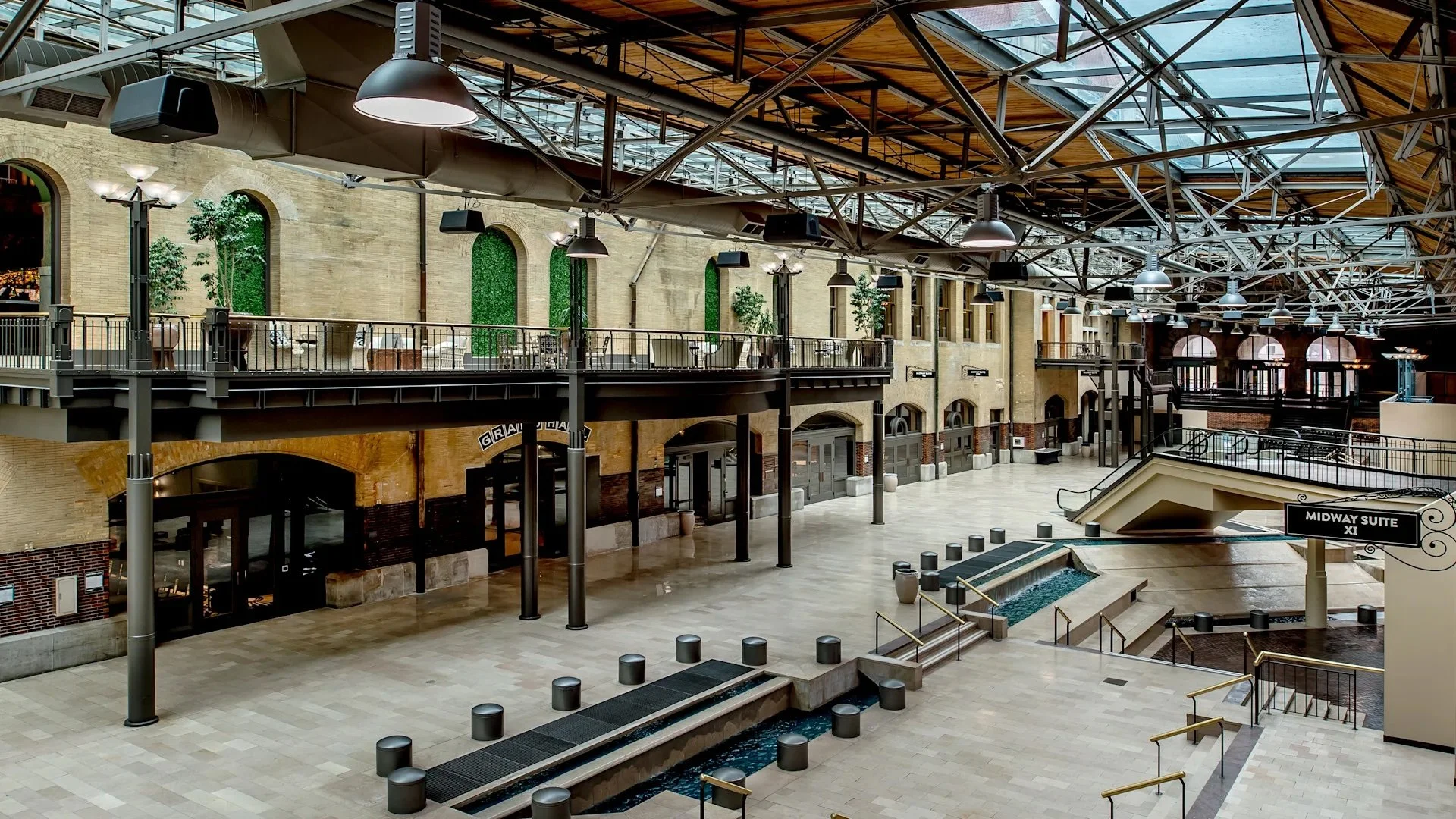
Guests are transported back to the Gilded Age at the Union Station Nashville Yards property. Constructed in 1900, the once central train terminal in Nashville faced demolition after it closed in 1970. The structure was converted to a hotel after a multimillion-dollar renovation that preserved much of its original Romanesque-style architectural design including turrets and towers, stonework, clock tower and lobby limestone fireplace. Preserved bas-relief sculptures depict the building’s heritage. The Art Deco style of the station’s heyday can be seen in the soaring 65-foot vaulted ceilings and century-old Tiffany-style-stained glass (cntraveler.com). Guestrooms pay homage to the history with design elements inspired by the Pullman cars, leather belting reminiscent of luggage trunks, and antique brass accents. The Conductor’s Suite and Broadway Suites are inspired by first-class sleeper cars.
El Convento Hotel, San Juan, PR
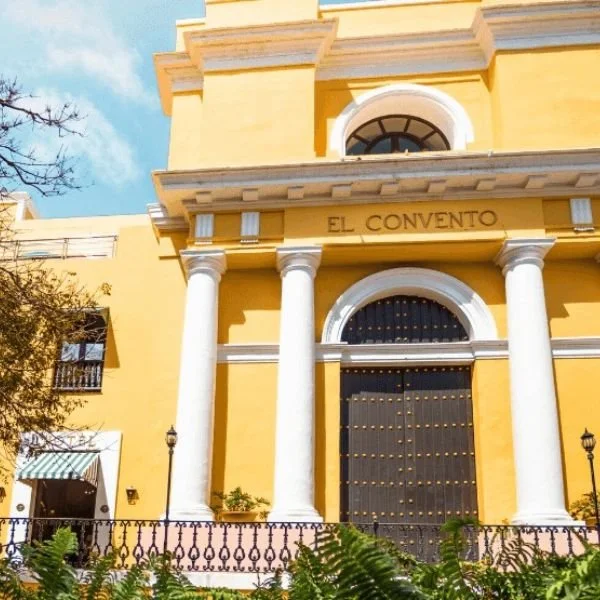
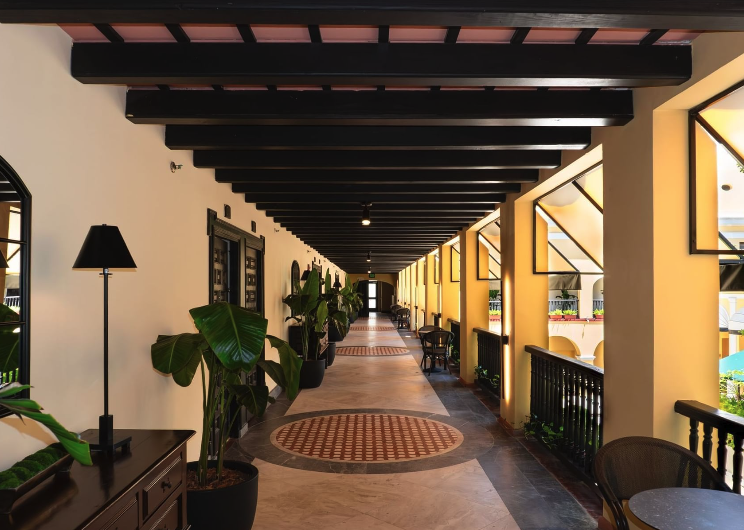
Located in the walled city of Old San Juan, El Convento Hotel was built in 1651 as a Carmelite convent. The convent closed in 1903 as it was too expensive to maintain, but was later purchased by Woolworth who rehabilitated the aging building into a boutique hotel. It quickly became a celebrity hotspot with guests such as Rita Hayworth and Truman Capote. Further restorations have revitalized the Spanish design including the Andalusian tile floors, mahogany beams and hacienda style furnishings. The 300-year-old Spanish loquat fruit tree still stands in the historic courtyard.
Ledges Hotel, Hawley, PA
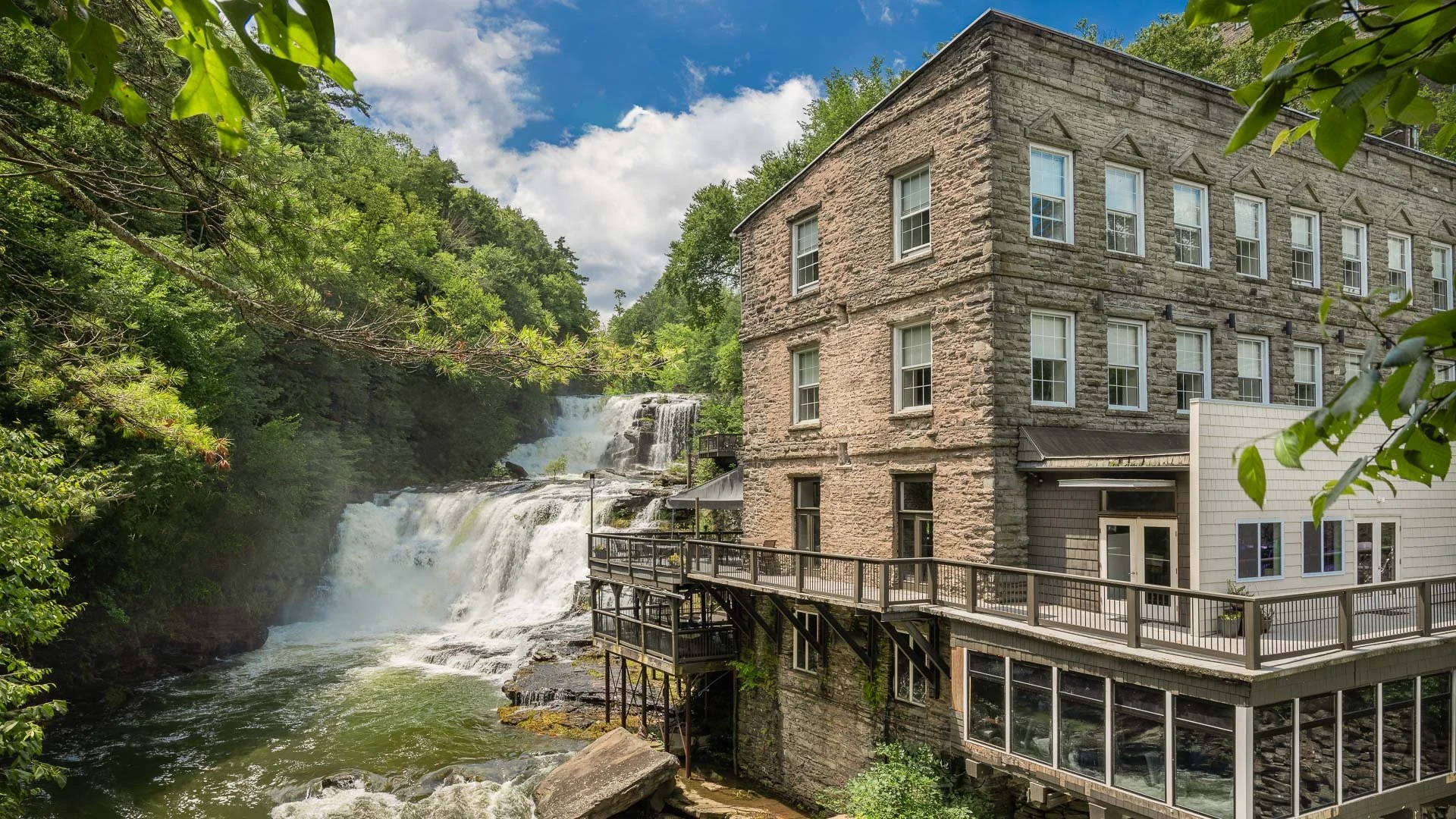
When they acquired the five-story Federal-style building, Settlers Hospitality Group preserved many of the aesthetics of this historic building that once was the J.S. O’Connor Rich Cut Glassware Factory, one of the largest of its kind in the US at the time. Built in the 1890s of native Bluestone, the structure was integrated into the cliffs and perched above the Wallenpaupack Creek that once powered the factory. Wood repurposed from the adjacent Bellemonte Silk Mill was used to build tables and beds. An outdoor lounge area was transformed from what were ruins, where visitors can see a portion of the original factory building. Original glass mold prints and historic images adorn Glass, the hotel’s aptly named restaurant.
21c Museum Hotel Lexington, Lexington, KY
Image courtesy of historichotels.org
Image courtesy of booking.com
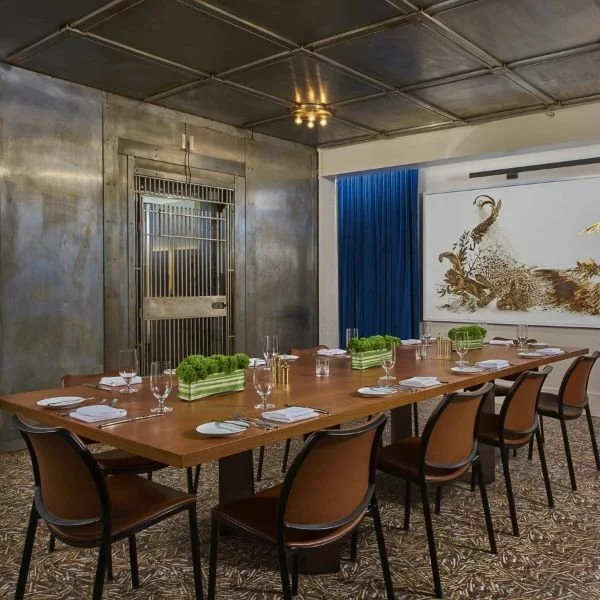
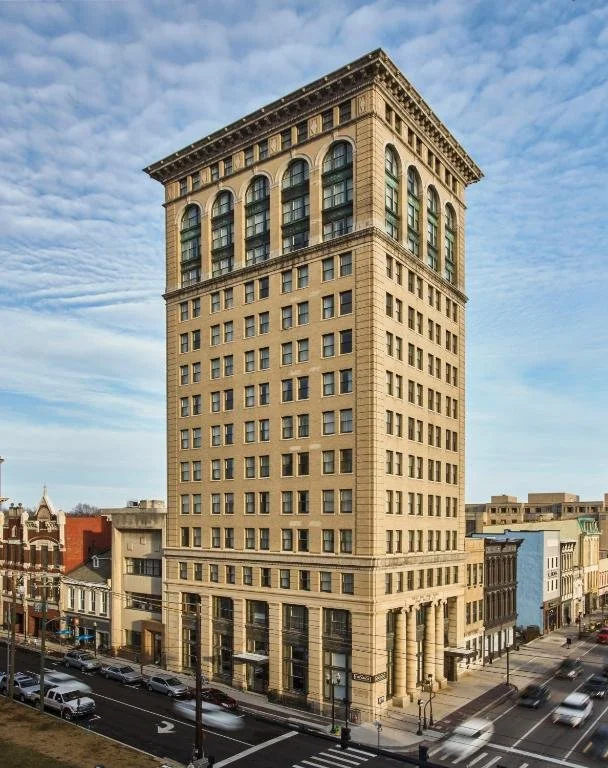
Dating back to 1914, this building was the first skyscraper in Lexington and the headquarters of the Fayette National Bank. 21c Museum Hotels, a hotel collection known for adapting historic buildings to use as hotels and art spaces, acquired the Beaux Arts style building in 2012. Reimagining the space, they restored the Ionic columns, marble walls, Tennessee Pink Marble flooring and vaulted ceiling. At Lockbox, the hotel’s restaurant, the original safe deposit vault serves as a private dining room. Guests can see the original mail shafts and tile work at each elevator landing. The space also functions as a contemporary art gallery. (historichotels.org)
Hotel Grinnell, Grinnell, IA
Images courtesy of tripadvisor.com
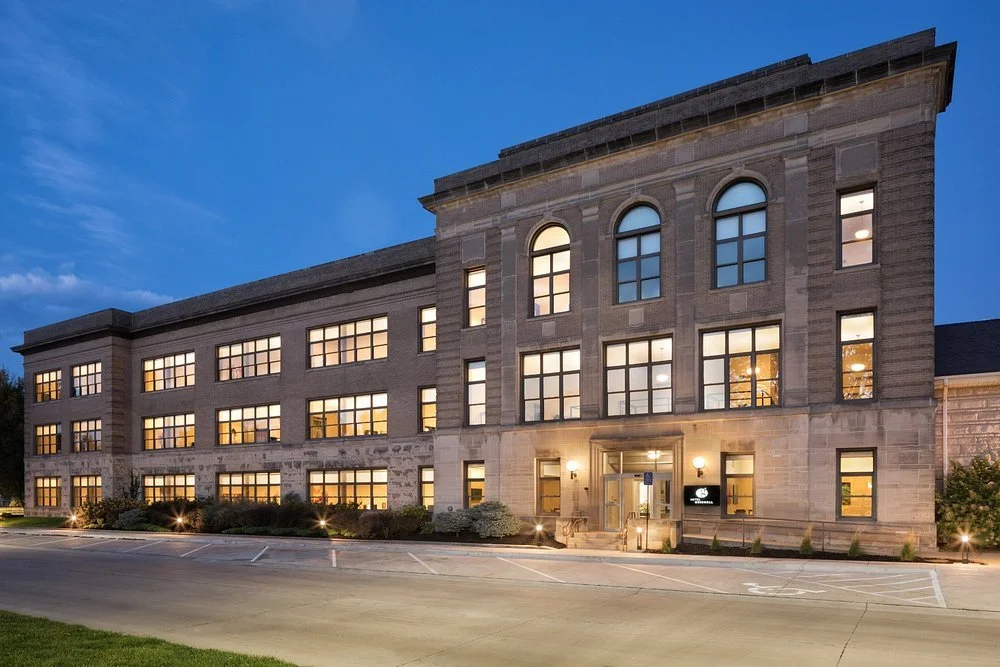
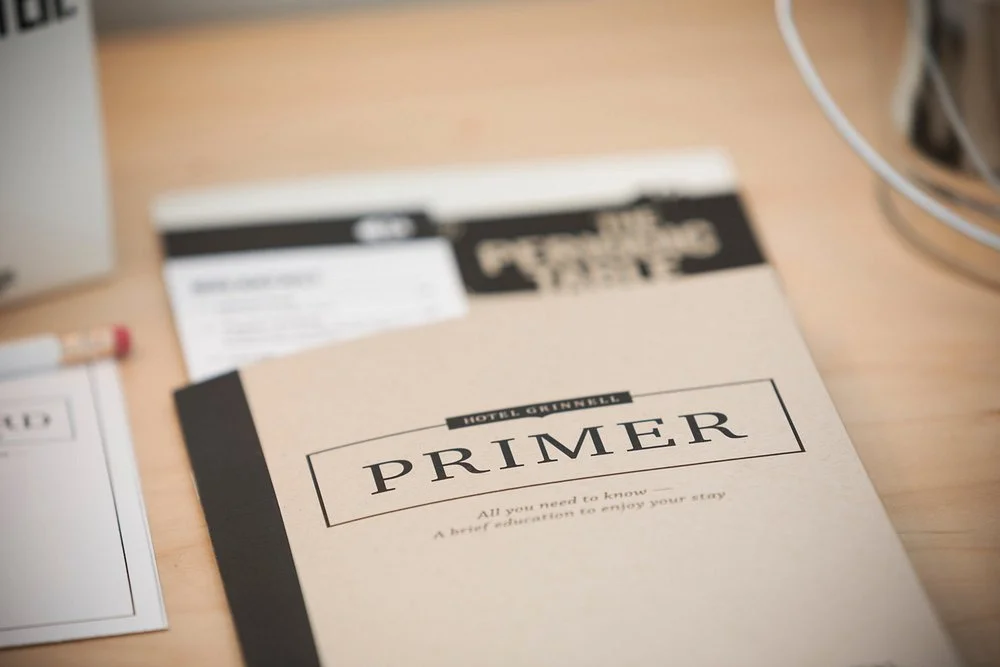
At this converted junior high school, you won’t get in trouble for sleeping in! Built in 1921, the Neoclassical structure has been repurposed into a boutique hotel. Check in at the principal’s office which now serves as the front desk, and relax in guestrooms that were once former classrooms, with original maple hardwood flooring and lofty ceilings. Locker rooms have been transformed into a bar, and original wood locker room benches are scattered throughout the property. The school’s theater, now an event venue, was restored to its former drama, with soaring ceilings, while the dressing room above the stage is a penthouse suite. The old gymnasium may have been transformed into a modern ballroom but still retains the original basketball court markings on the hardwood floors. The school ties don’t end there. The room keys are designed as hall passes, in-room guides are crafted after old fashioned notebooks with No. 2 pencils, and neckties serve as “do not disturb” signs. Drink Lunch Lady, Prom Queen and First Crush cocktails are served in the Periodic Table restaurant.
Visitation Hotel, Frederick, MD
Image courtesy of independentcollection.com
Images courtesy of marriott.com
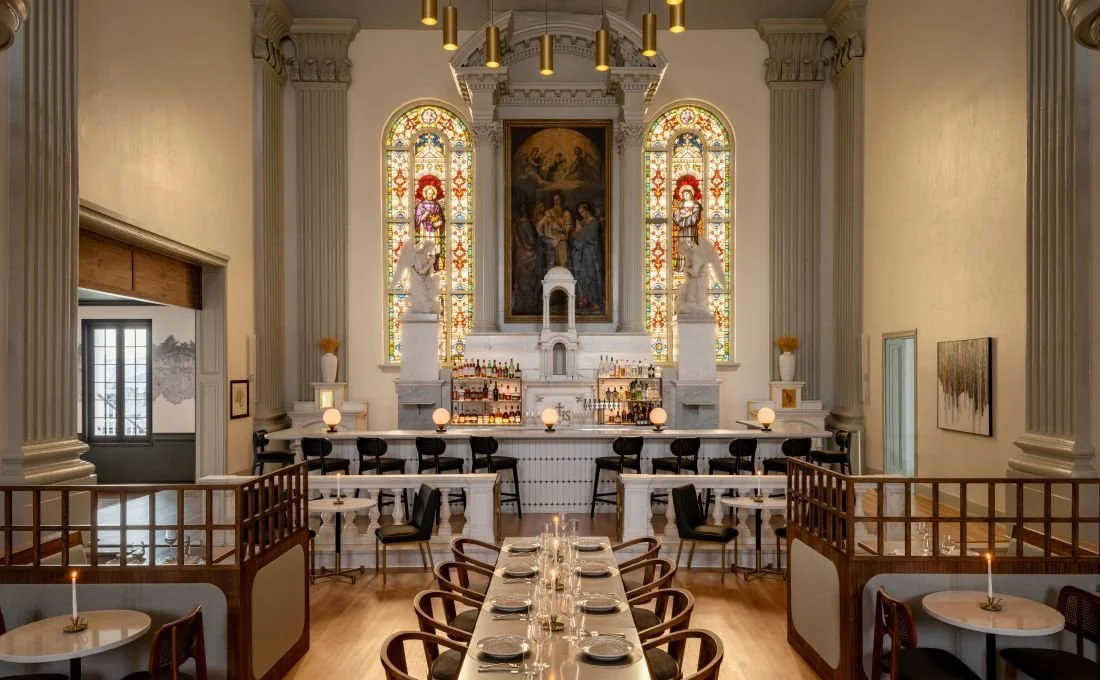
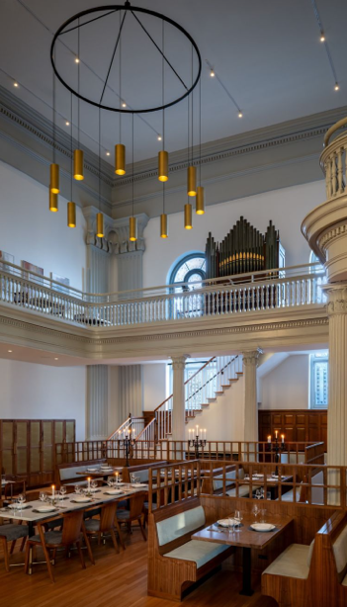
Remnants of the landmark building’s rich 200-year history as a cloistered monastery and later all-girls academy can be seen in the preserved elaborate stained-glass windows and original woodwork. Other decorative elements that were carefully restored include the marble accents and Corinthian columns. The building retains its historic red-brick Federal-style façade, including gables, dormer windows, and geometric motifs throughout the hotel. The Chapel Restaurant, the (deconsecrated and) repurposed chapel as the name suggests, features original stained glass, marble altars, choir loft and tabernacle, and still-functioning 19th Century organ. The hotel embraces its history by displaying original photographs, student memorabilia, and archeological fragments. (Fun fact for extra credit: The school briefly served as a Civil War hospital.) (visitationhotel.com)
Other historic hotels that both intrigue and delight include:
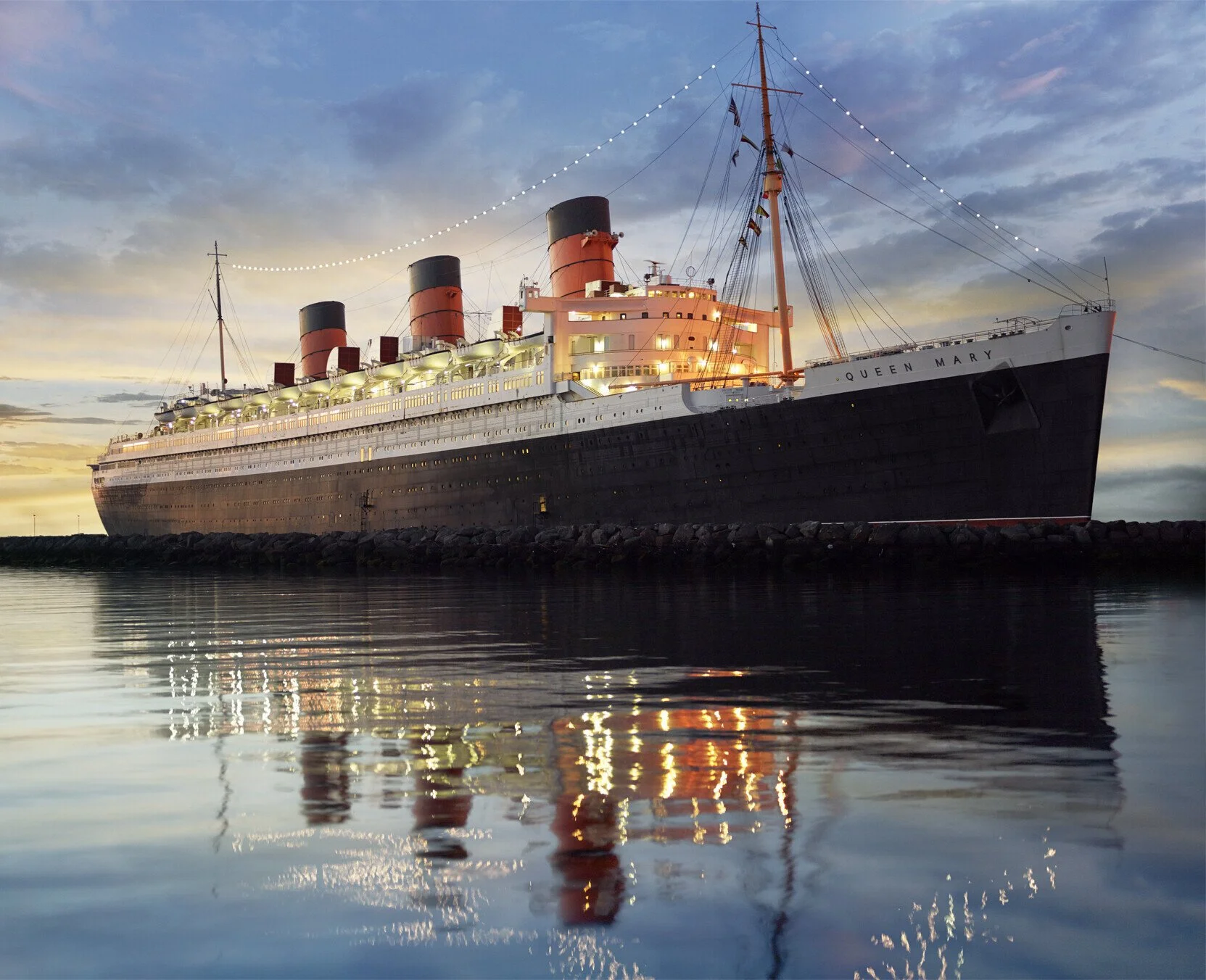
Queen Mary, via queenmary.com
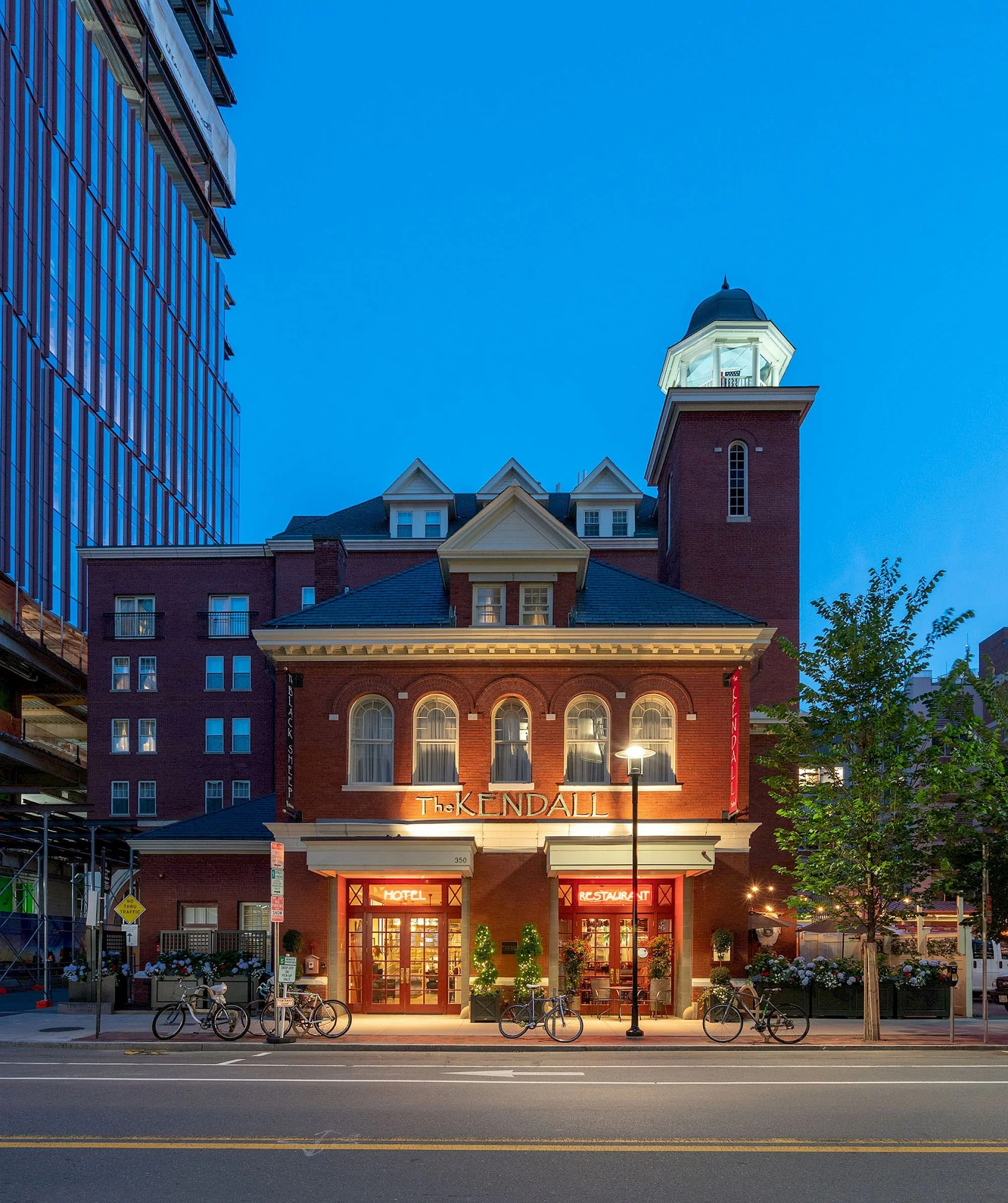
Kendall Hotel, via kendallhotel.com
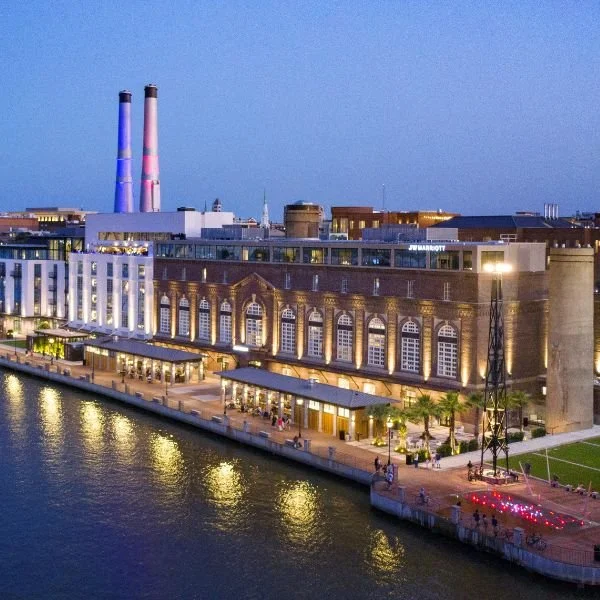
Savannah Power Plant, via historicalhotels.org
The Queen Mary, permanently docked at the port of Long Beach, CA, was once a luxury ocean liner; A former fire engine house in Cambridge, MA, the Kendall Hotel, revitalized the building’s original iconic cupola and displays historic fire station memorabilia and motifs; Savannah Plant Riverside District in GA converted a 1912 power plant into a cultural and entertainment hub complete with luxury hotel featuring repurposed steel benches, 575,000 pieces of historic brick from the original building, and where guests can dine inside the core of a century-old smoke stack.