LA’s Iconic Midcentury Modern Homes
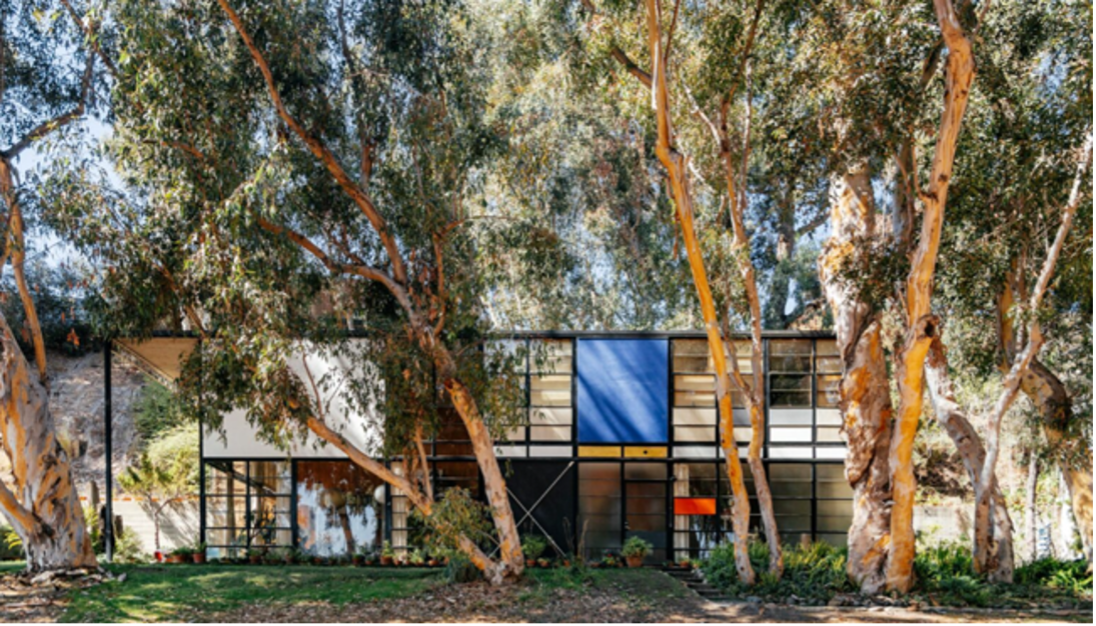
Image by Chris Mottalini, via eamesfoundation.org

 
LA’s Iconic Midcentury Modern Homes

by Sweiskloss
February 26, 2026
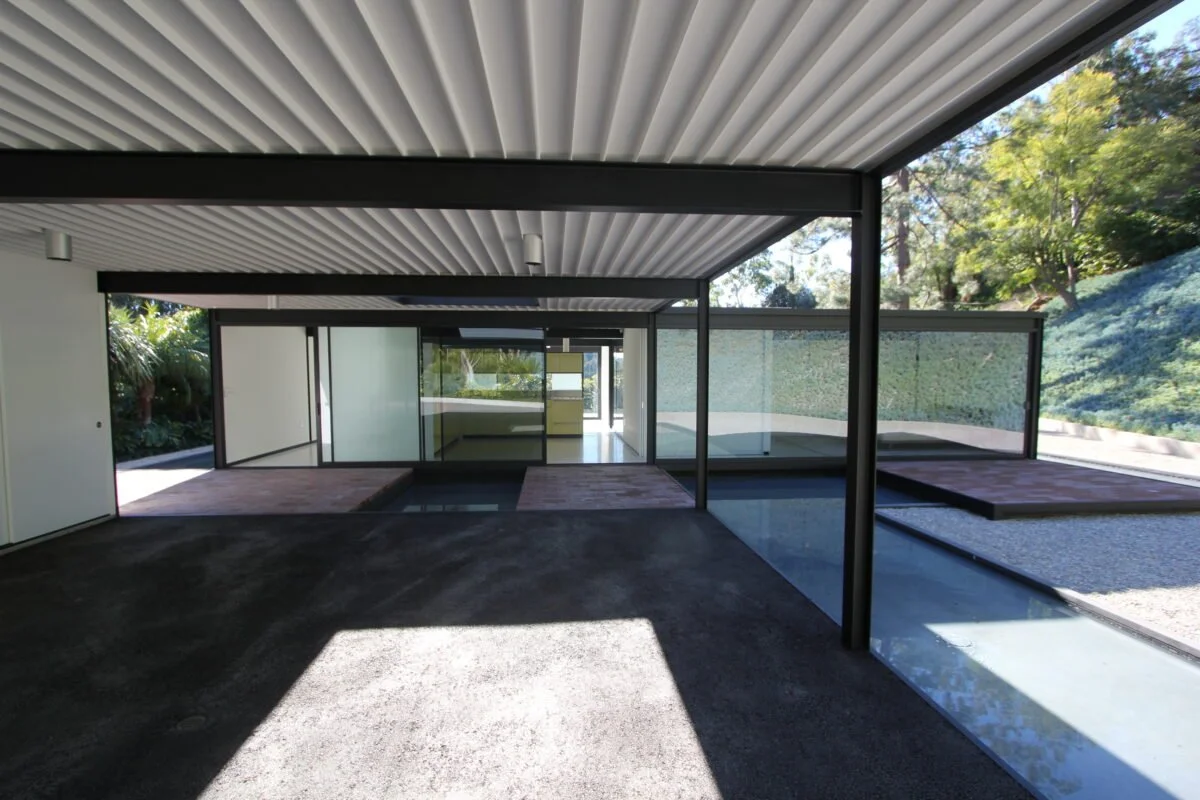
Palm Springs just wrapped up its two-week celebration of Midcentury Modern (MCM) architecture, art and culture. Don’t worry if you didn’t have time to drive to the desert to enjoy the tours and open houses. There are plenty of stellar examples of MCM architecture and stylings right here in Los Angeles. These residences have put LA on the MCM map.

In the wake of World War II, Arts & Architecture magazine’s Case Study program challenged architects to utilize new materials and technologies to create innovative, efficient and affordable homes from the mid-1940’s to the mid-‘60’s. The result became the characteristics of MCM design including: open plan concepts; a connection to nature that embraces large glass windows and incorporates wood; clean lines and minimalism, and a preference for form and functionality that emphasizes organic and more modern styles.

The Eames House (Case Study #8)
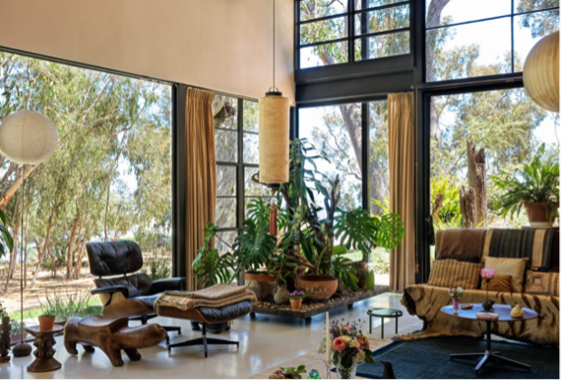
Charles and Ray Eames’ house in the Pacific Palisades is a seminal example of MCM architecture with “two raised steel-and glass structures, both flaunting flat roofs, bright color blocks, and an intentional connection to its natural surroundings” (architecturaldigest.com). Architectural plans considered the natural environment such as orientation to the sun, and the natural surrounding with muted colors and warm earth tones. Following months of extensive cleaning and repairs due to smoke damage from the Palisades fire, the property has reopened to the public along with the studio next door.

The Schindler House (also known as the Kings Road House)
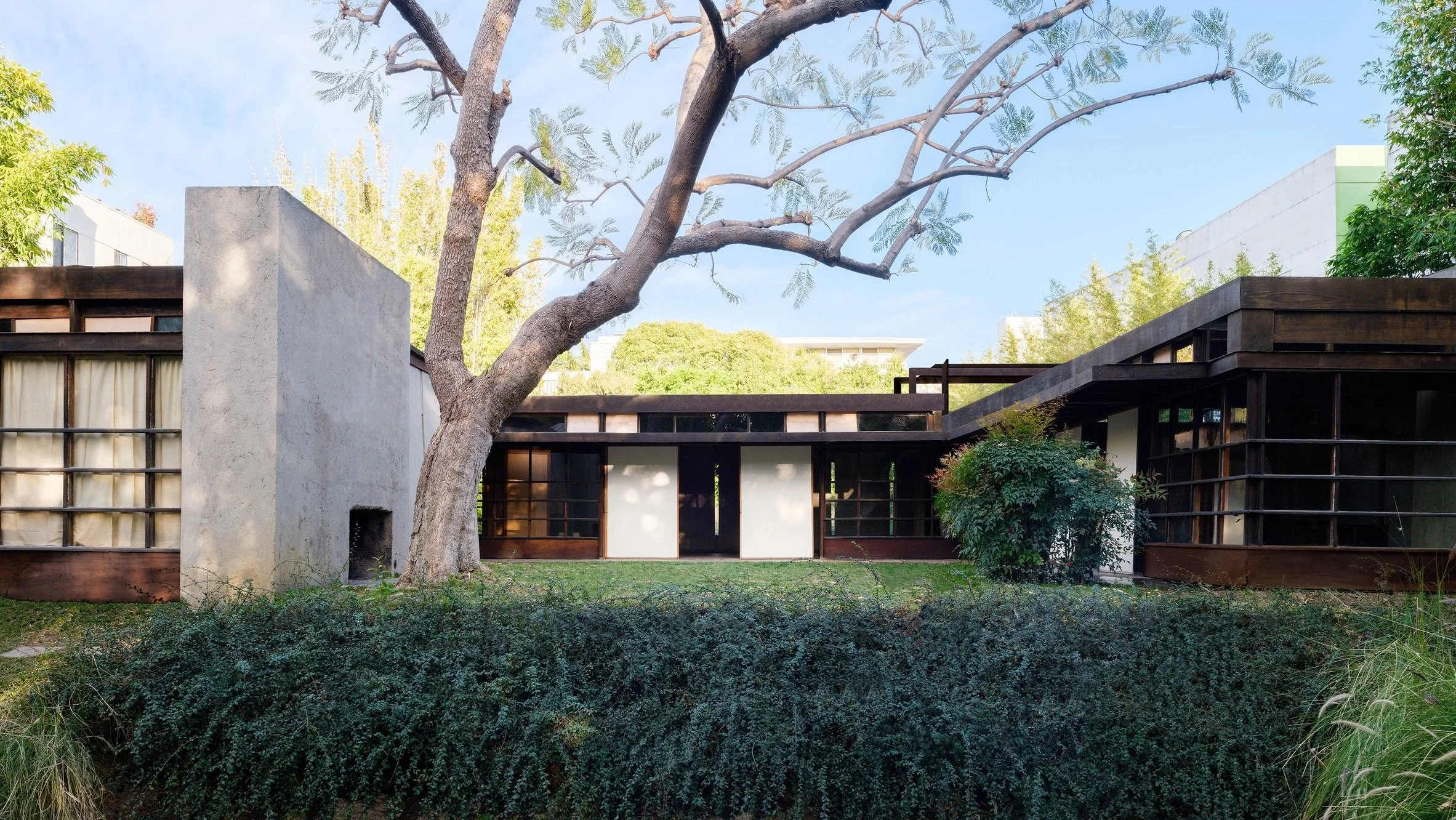
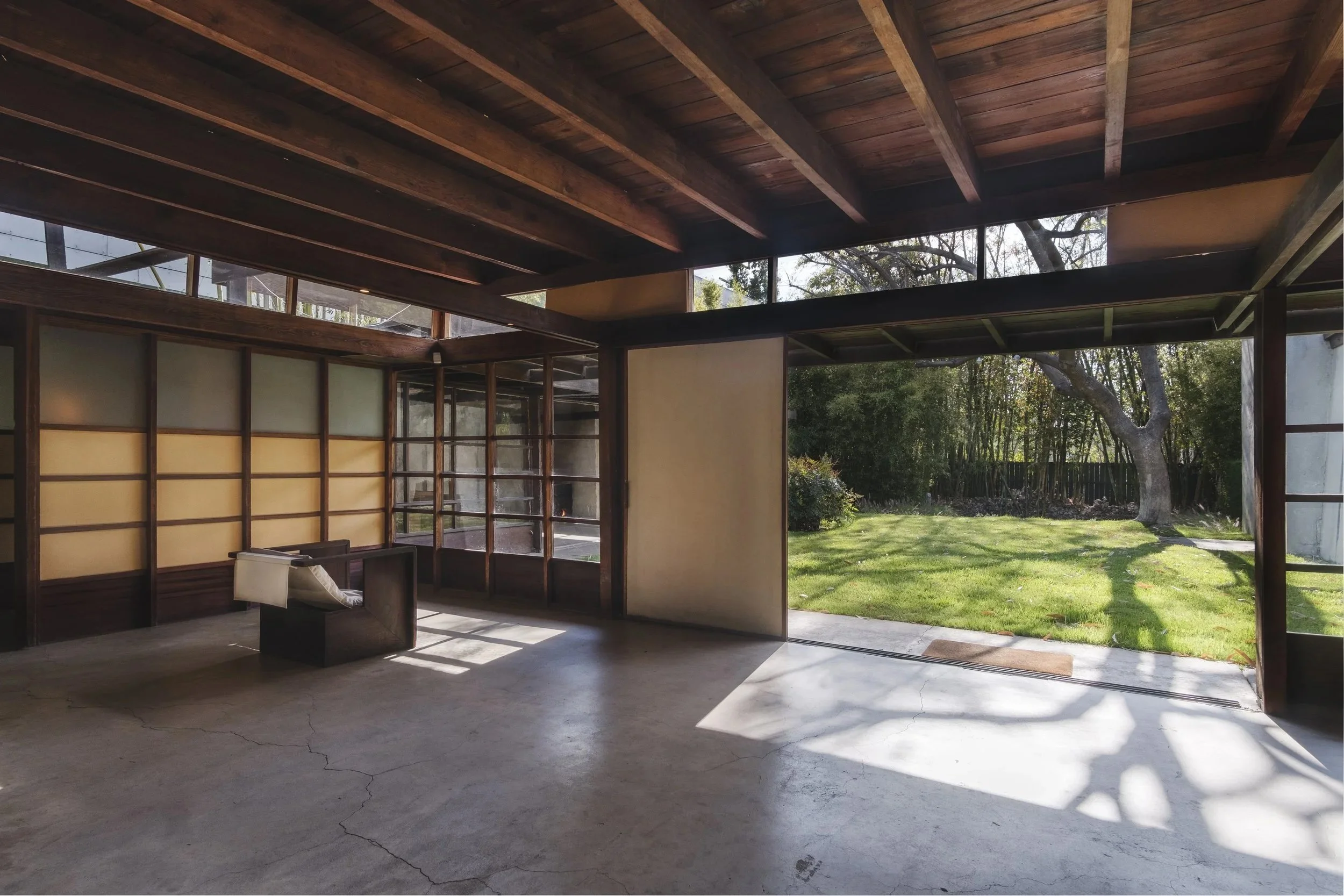
“With its innovative use of space, interconnected rooms, and strong geometric lines,” this West Hollywood home designed by Rudolph Schindler “paved the way for the midcentury movement” (satinandslate.com). His vision was to create a mixture of individual studios and communal living spaces with a shared kitchen, gardens and patios. Schindler’s communal design was new to residential architecture, as was his novel use of industrial materials incorporating concrete for the walls and floor (architectuul). Large glass windows and doors, and numerous courtyards, blend indoor and outdoor living, flooding interiors with light and creating a sense of openness. The connection to nature is reinforced with the use of redwood beams (archeyes.com). The home is now the headquarters of MAK Center for Art and Architecture.

The Stahl House (Case Study #22)
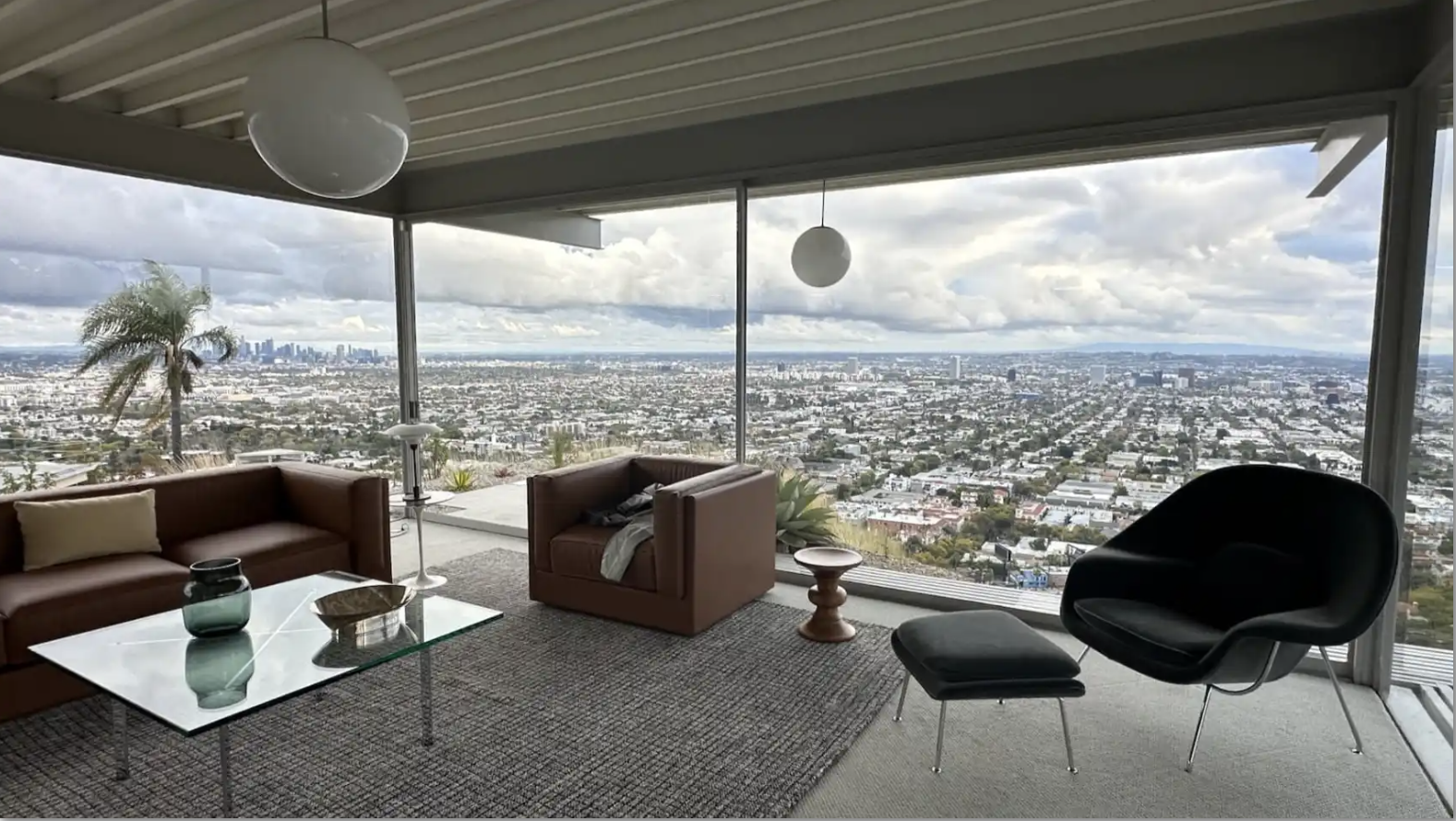
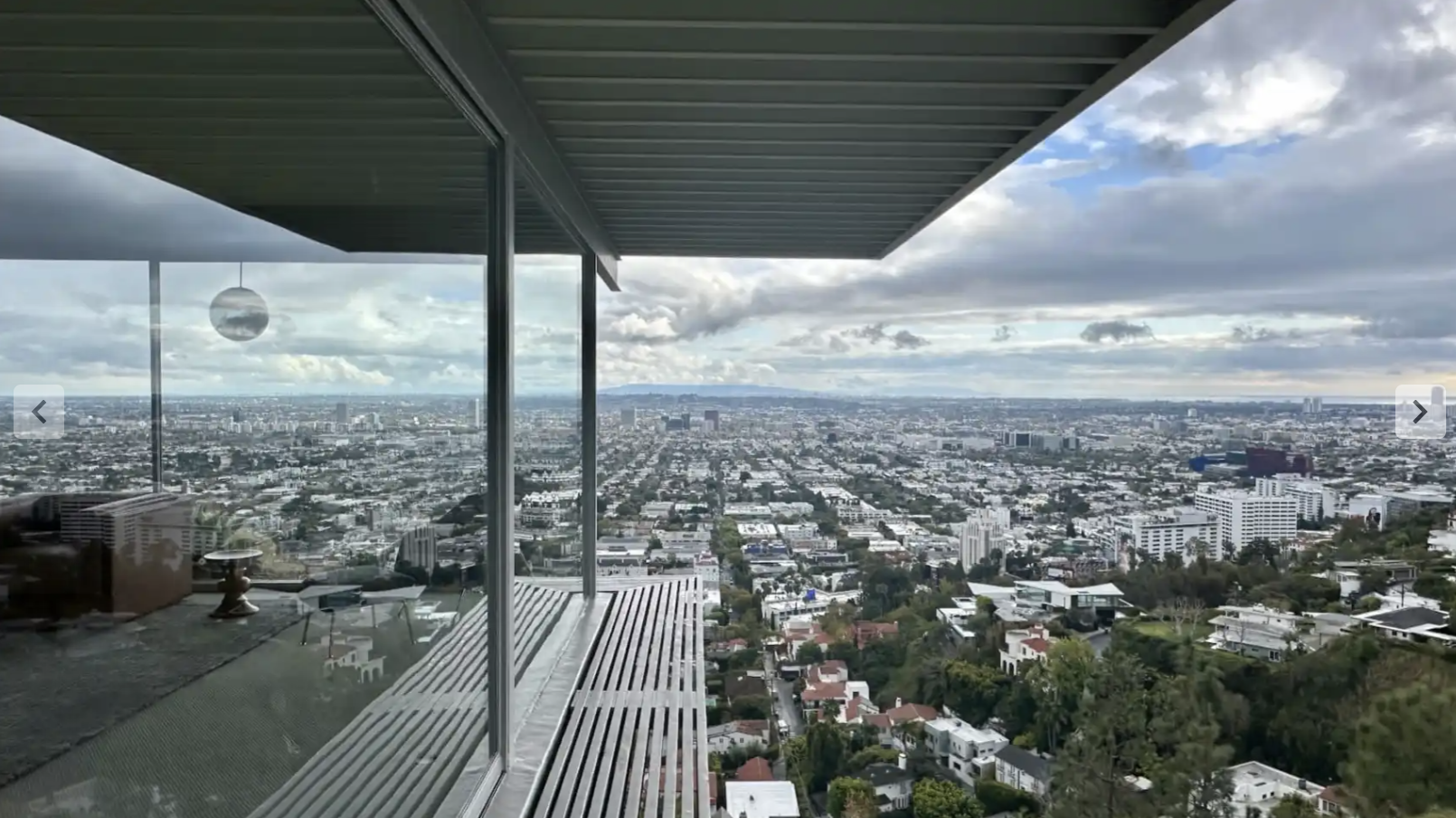
Pierre Koenig’s Stahl house embraced the property’s precarious landscape in the steep slopes of the Hollywood Hills. Constructed of glass and steel, it dramatically soars over Los Angeles, making the most of its panoramic views and effortlessly blending indoor-outdoor living. The soaring effect was created by an abundance of glass, clean lines, and the dramatic roof overhangs which also provide shade. The panes used to create a “glass wall” were some of the largest pieces available at the time (laconservancy.com), resulting in a feeling of “floating in the air” (rostarchitects). Immortalized by Juluis Shulman’s lens, his photographs of the house have made it an icon of midcentury modern architecture. The 2-bedroom 2.5-bathroom residence is for sale for the first time in its history- asking price is $25 million.

The Bass House (Case Study #20B)
Unlike other Case Study houses, the Bass house was primarily built of wood and miraculously survived the Altadena fires. This MCM home features the flat roof, curved spaces and indoor-outdoor living consistent with this style. “All major rooms open directly onto courts and decks” (architectuul). Interested in the sculptural and organic form, it features a curved interior ceiling, a barrel-vaulted roof and a circular brick fireplace. A large Italian pine tree was incorporated into the design as one wall of the home rested on the massive trunk as it soared through the open lattice of the terrace roof, providing shade over the property (mcmdaily.com). Unfortunately, the tree eventually had to be cut down as it was threatening to damage the house (architecuul.com). MCM Daily describes the house as “a masterstroke of architecture that offers an almost seamless blend of interior and exterior spaces with an open plan that allows for natural light from all sides.”

The Bailey House (Case Study #21)
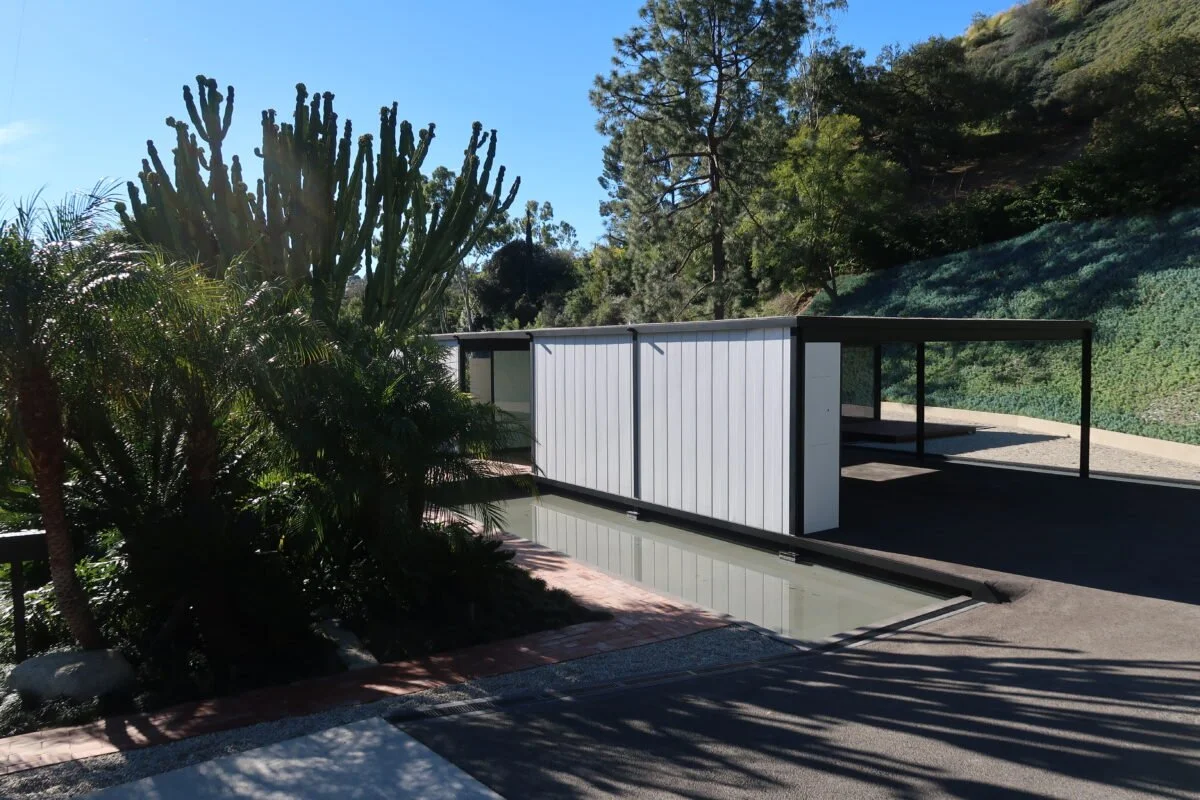
Perched on a hill in Laurel Canyon, Koenig designed the Bailey house with an open floor plan and walls of glass that invite nature into the living spaces. Similar to his Stahl house, Bailey house is a steel-framed, one-story box-like structure with a flat roof and plenty of steel and glass. Oriented to capture the sun’s warmth in the winter and screen it out in the summer, the home incorporates a floor-to-ceiling glass back façade and sliding glass doors for cross ventilation, plenty of light and a “true merging of the indoors and outdoors” (laconservancy.com). Clean lines create a visually elegant structure and a peaceful atmosphere.

Bailey House (Case Study #20)
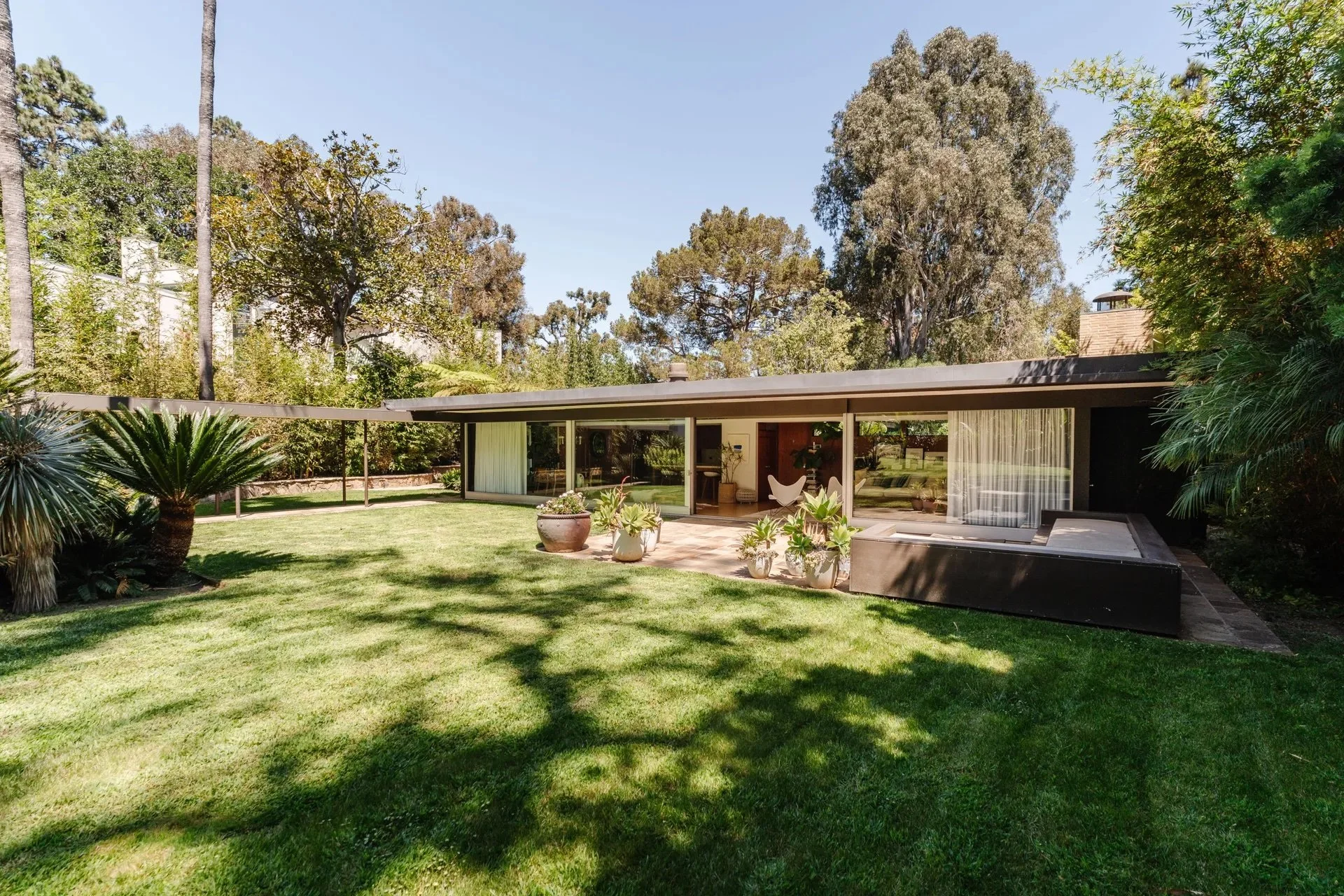
Richard Neutra’s Bailey house in the Pacific Palisades, similar to its peers including the other Bailey house, “was designed to be modest from the street, with interiors that are elegant in their simplicity” (dwell.com). Created in 1948 as an affordable starter home, it features two rectangular pavilions built around a courtyard and connected by a covered breezeway. A prefabricated steel core made construction simpler and reduced labor (spassio.com). For Neutra, glass played an important role in providing light as well as access to the natural world (barbaralamprecht.com). Sliding glass doors open to lush gardens and grassy lawns. Light fills the space as the house maximizes indoor-outdoor living. Wood paneling, built ins, and original signature red kitchen cabinets and counters have been meticulously restored. The home was placed on the market last year.

These iconic residences transformed the Southern California design aesthetic in terms of architecture, materials and landscape, and continue to inspire architects, designers and homeowners today.

(For a more in-depth look at the hallmarks of MCM architecture and design, see our blog: https://www.sweiskloss.com/blog/celebrating-midcentury-modernism)
 
Laura McMahon