Connections: Remarkable Pedestrian Bridges

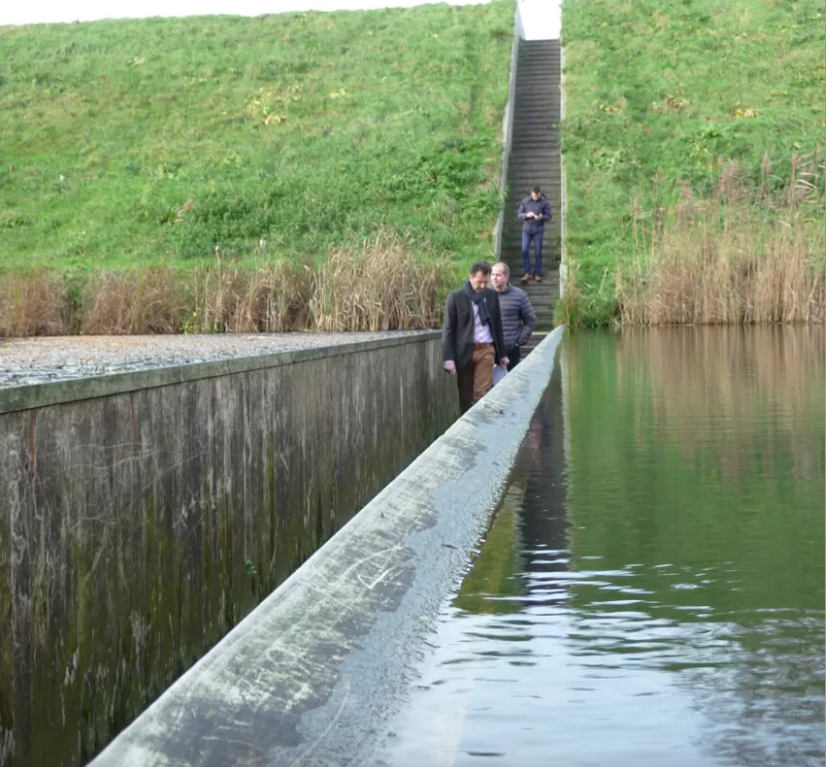
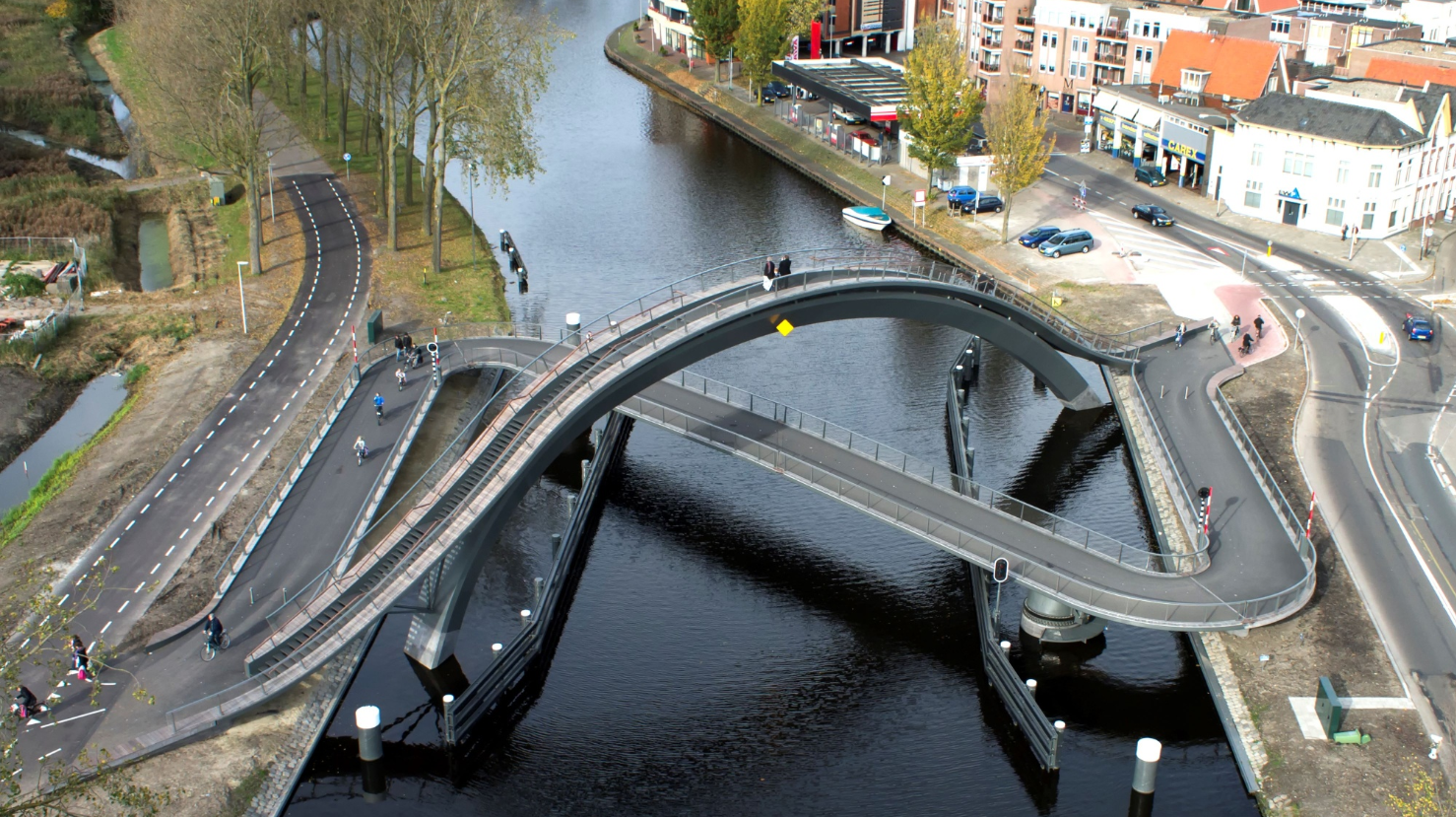
Melkwegbrdige, Purmerend, Netherlands, Photography Jeroen Musch and NEXT Architects

 
Connections: Remarkable Pedestrian Bridges
by Sweiskloss
Aug 20, 2026
According to Collins Dictionary, a bridge “is a structure built over a railroad, river, or road so that people or vehicles can cross from one side to the other. As a verb, it can mean to connect, reconcile, unite or close the space between two things.” Pedestrian bridges embody both definitions, and more. Around the world, pedestrian bridges have evolved beyond functional infrastructure into iconic architectural landmarks that shape city skylines and redefine how people interact with their surroundings.

Designing a pedestrian bridge involves much more than selecting structural systems. Architects and engineers must balance safety, accessibility, and structural integrity with user experience, aesthetics and the bridge’s relationship to its surrounding landscape. Understanding the site and context including pedestrian traffic, topography and climate, helps inform everything from structural design to material selection. Whether constructed from glass, timber, steel or concrete, materials must be chosen not only for their visual appeal but also for their durability and performance. Sustainability is also important, with designers considering ways to minimize a bridge’s environmental impact, disruption to waterways, wildlife and natural habitats, and incorporating recycled or renewable materials.
Together, these elements transform a pedestrian bridge from a simple crossing into a dynamic experience. More than structures designed to connect two points, today’s pedestrian bridges can become memorable public spaces, architectural landmarks, and destinations in their own right, bringing communities together while connecting people to their environment and history.

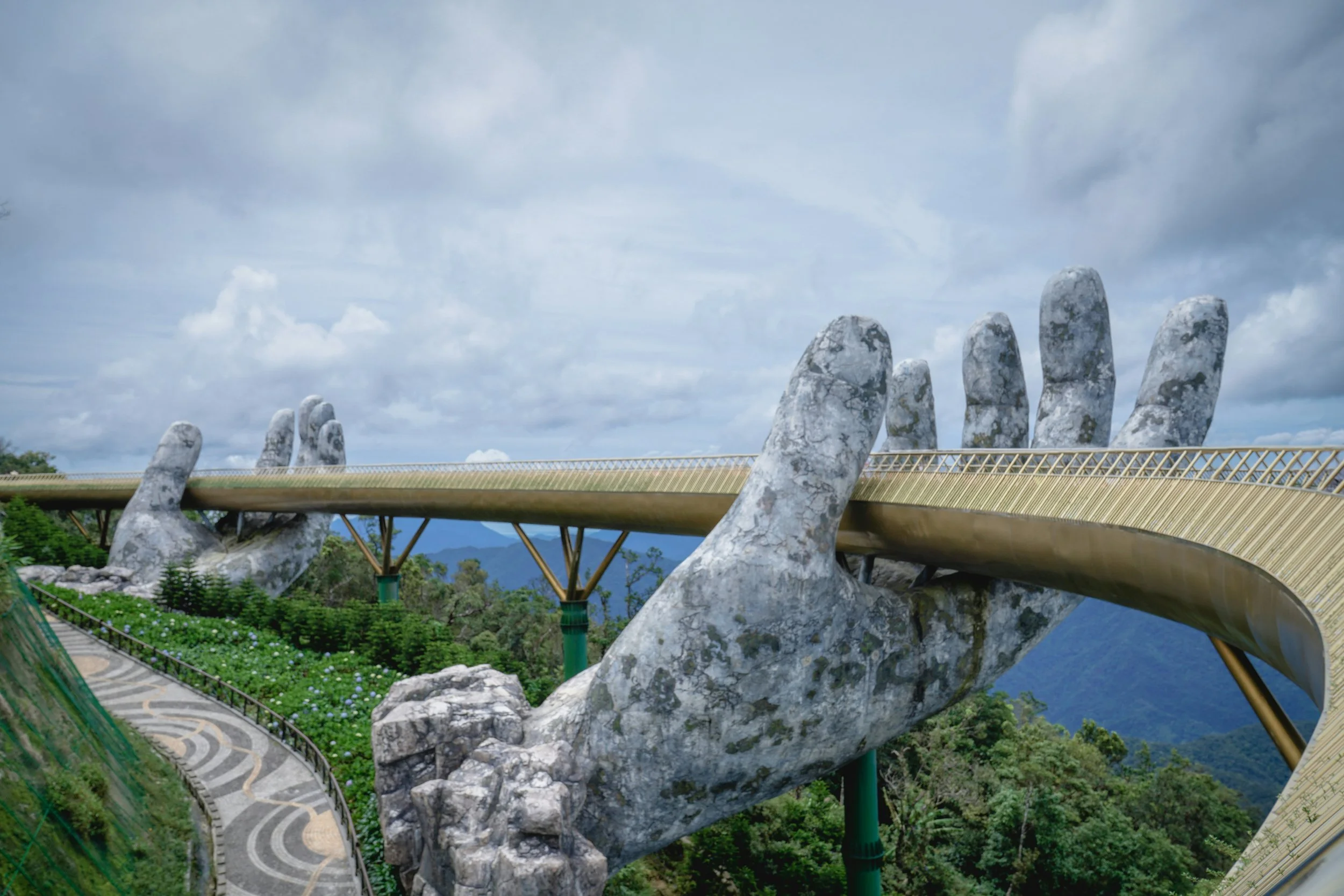
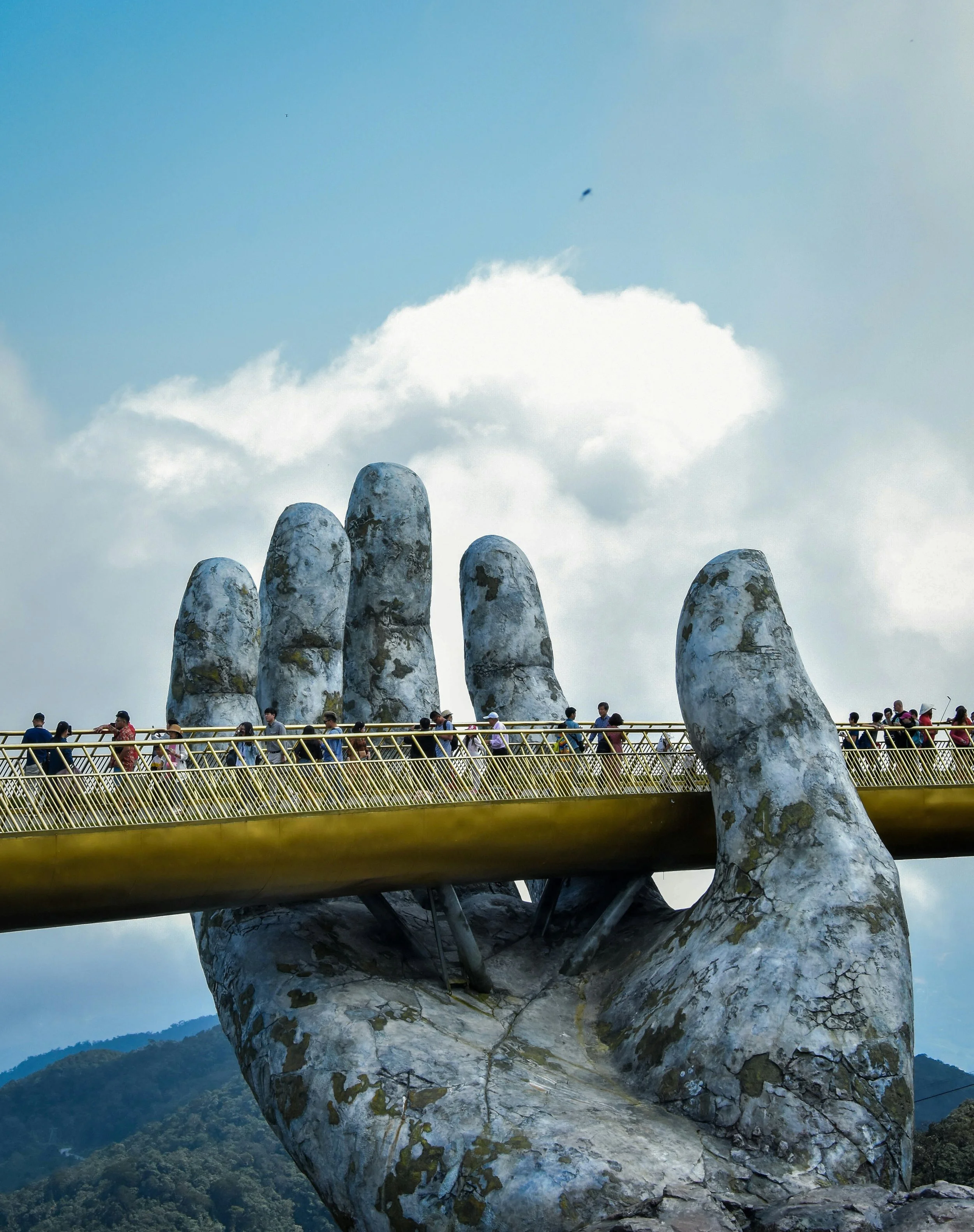
Golden Bridge, Da Nang, Vietnam
Visually striking, two enormous stone-colored hands gently hold the golden-colored pedestrian walkway soaring 4,593 feet above sea level. Inspired by Vietnamese mythology, the design is intended to evoke a divine connection between humans and nature and provides serene views of the surrounding mountains. “It looks like they drew the bridge out from the land… as it were a gift from nature” according to TA Landscape Architects (dezeen.com). Constructed from fiberglass and wire, the bridge’s hands are decorated with cracks and moss to make them appear like aged stone ruins. Technically, the hands are merely decorative, as the bridge is held up by steel supports.

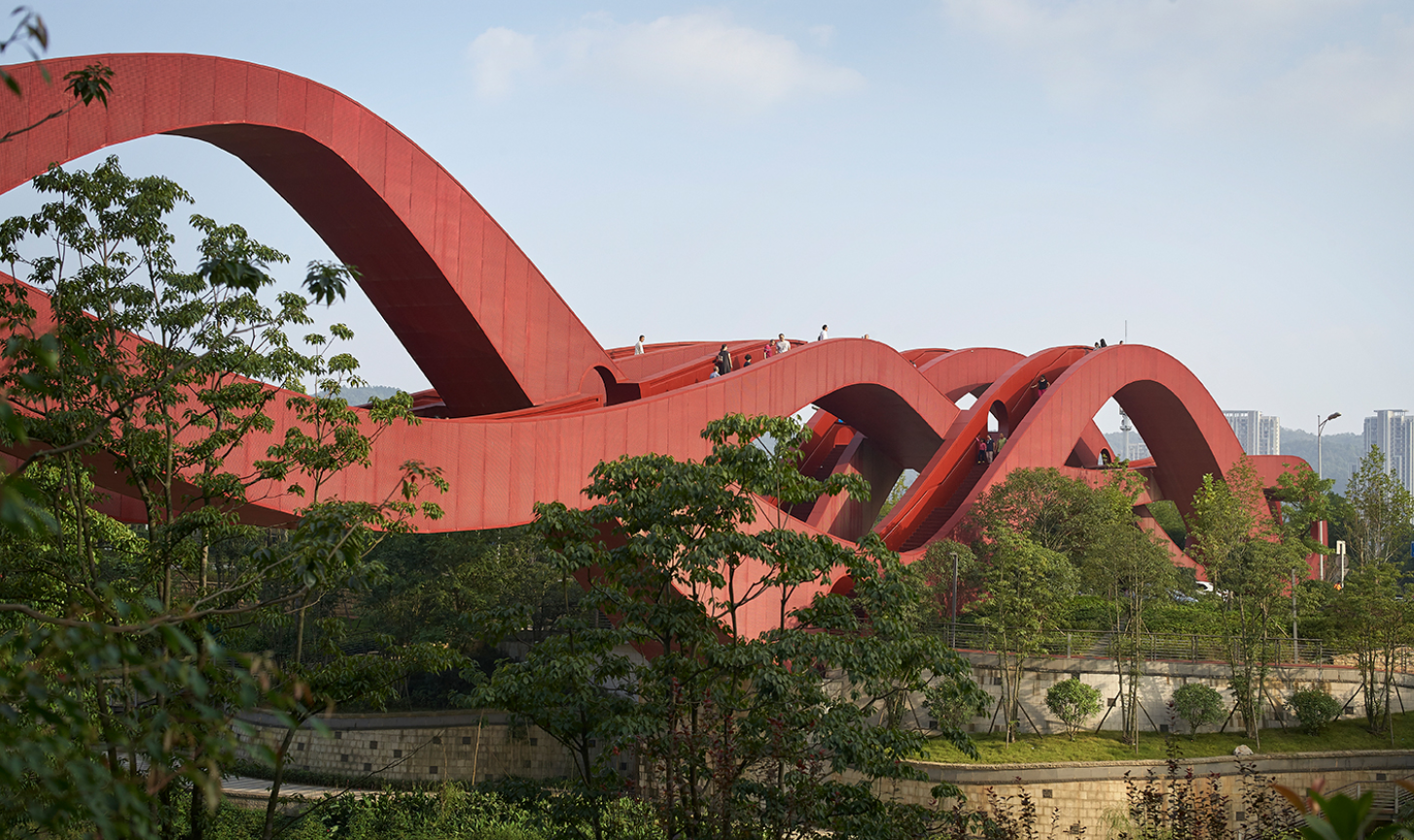
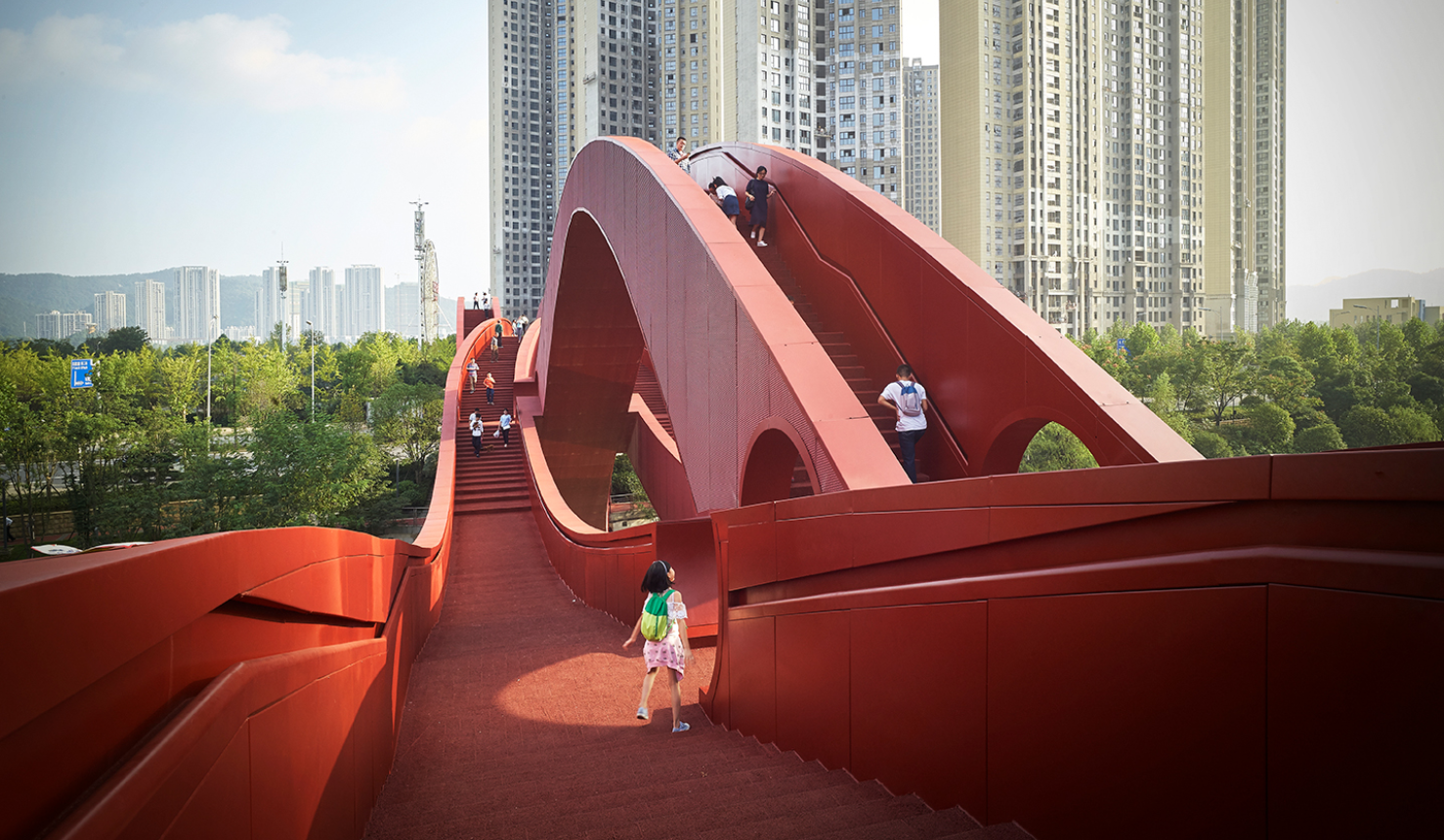
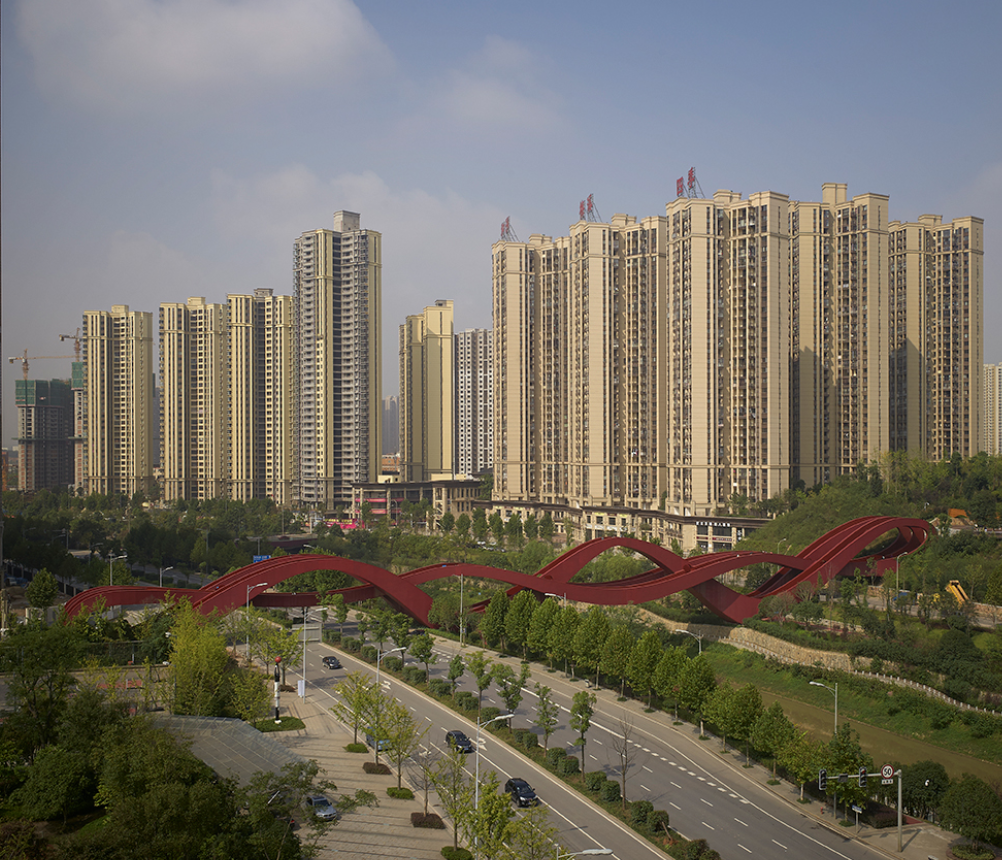
Lucky Knot, Changsha, China
Combining traditional Chinese culture with modern architecture, the Lucky Knot pedestrian bridge embodies both functionality and symbolism. Inspired by the traditional Chinese red knot, a symbol of good fortune and prosperity, and the mathematical concept of the Möbius strip (a shape with only one side and one edge), the bridge is composed of three interwoven loops. The loops connect at multiple levels and different heights, providing varying viewpoints of the Dragon King Harbor River, city of Changsha, and surrounding mountain range. Designed by NEXT Architects, the bridge plays a key role in the renewal of the city and emerging New Lake District and was selected by CNN as one of the “most spectacular bridges that breaks the mold” (nextarchitects.com).

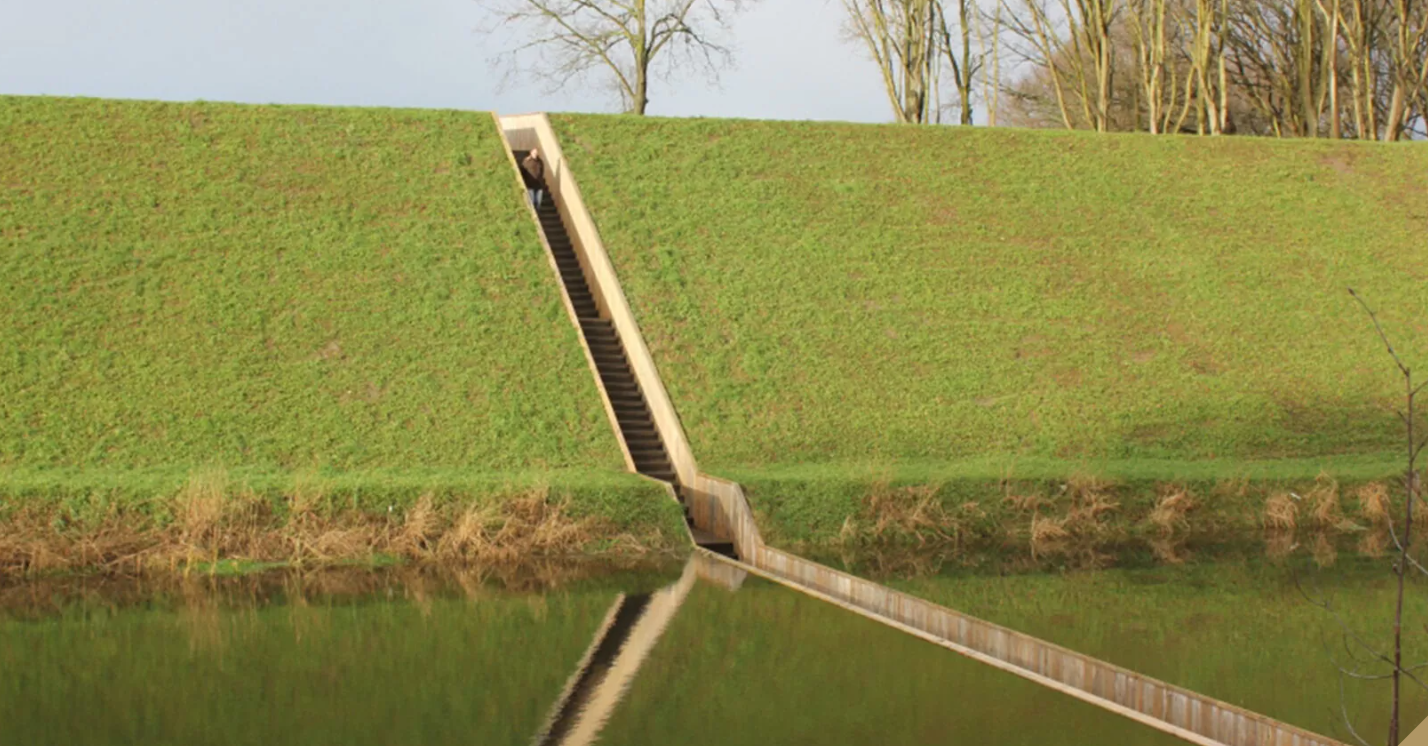
Mosses Bridge, Halsteren, Netherlands
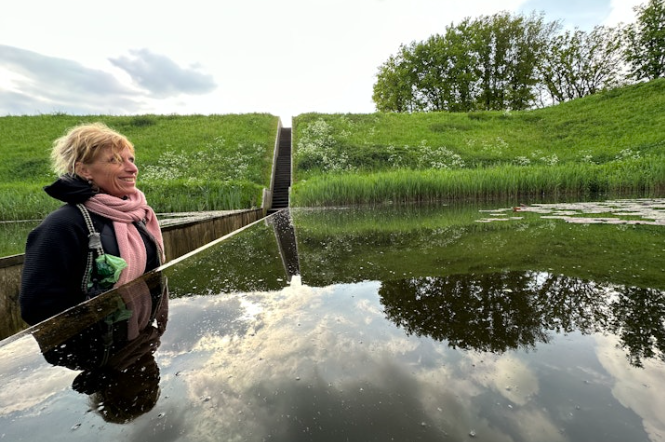
While most bridges go over water, this tiny bridge actually goes through it. The sunken timber structure sits below the waterline of the moat at the 17th century Fort de Roovere, making it appear as though pedestrians are walking though the water. The invisible bridge, “boasts a trenchlike aesthetic inspired by the location’s rich past” (archello.com). It was designed to blend in with the landscape and cannot be seen from the distance as the water comes all the way up to its edge. The bridge is constructed from Accoya® wood that is waterproofed with EPDM foil, ensuring a dry walkway for visitors as the durable material can withstand the wet weather and freezing conditions. It’s ingenious relationship with the landscape connects the history of the region with the community who use the fort for hiking and cycling.

Webb Bridge, Melbourne, Australia
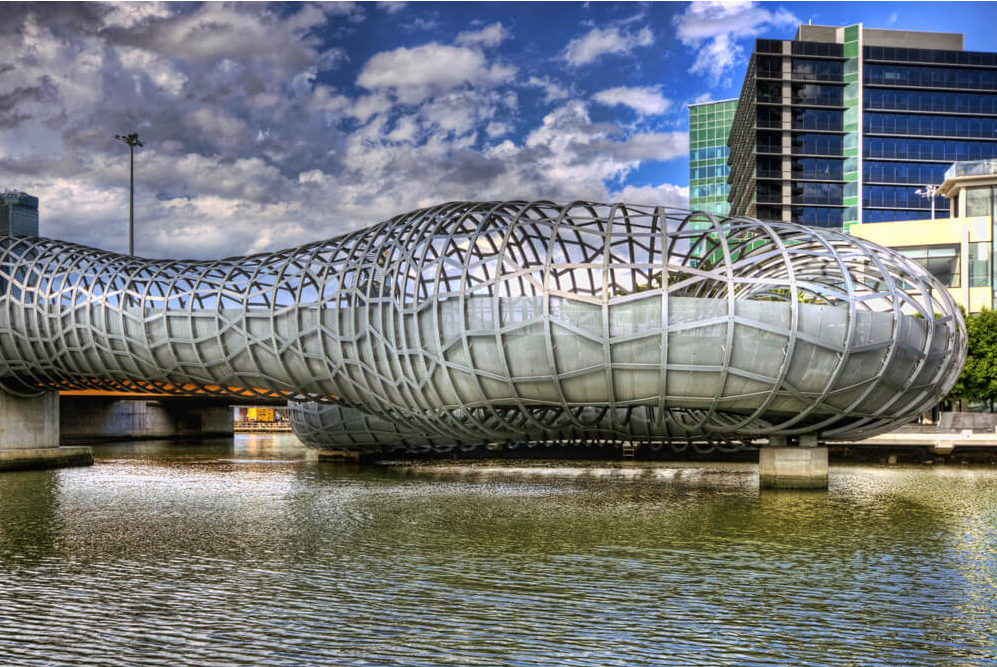
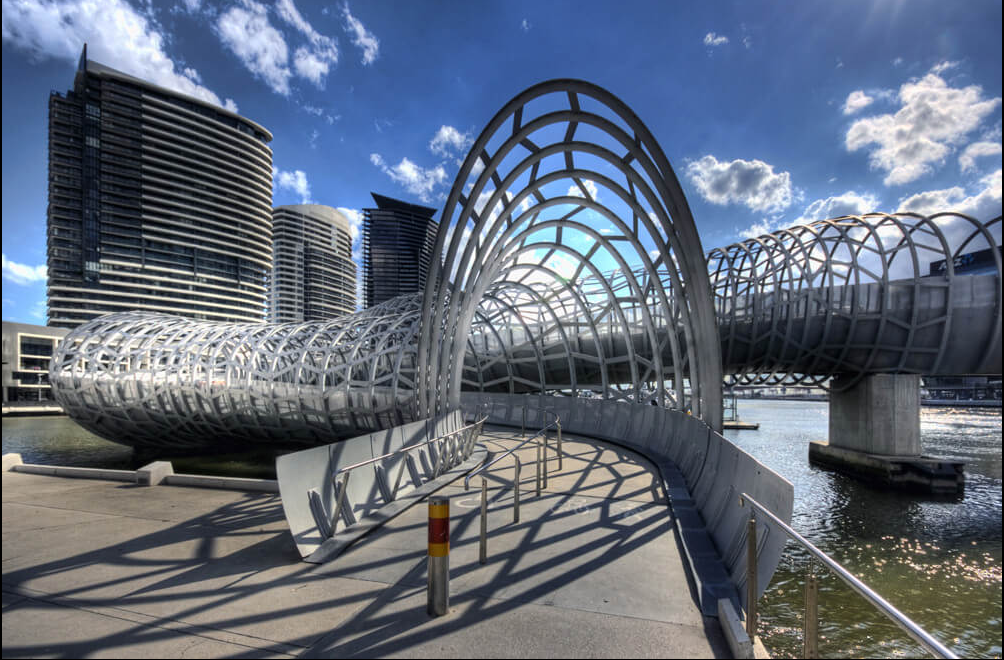
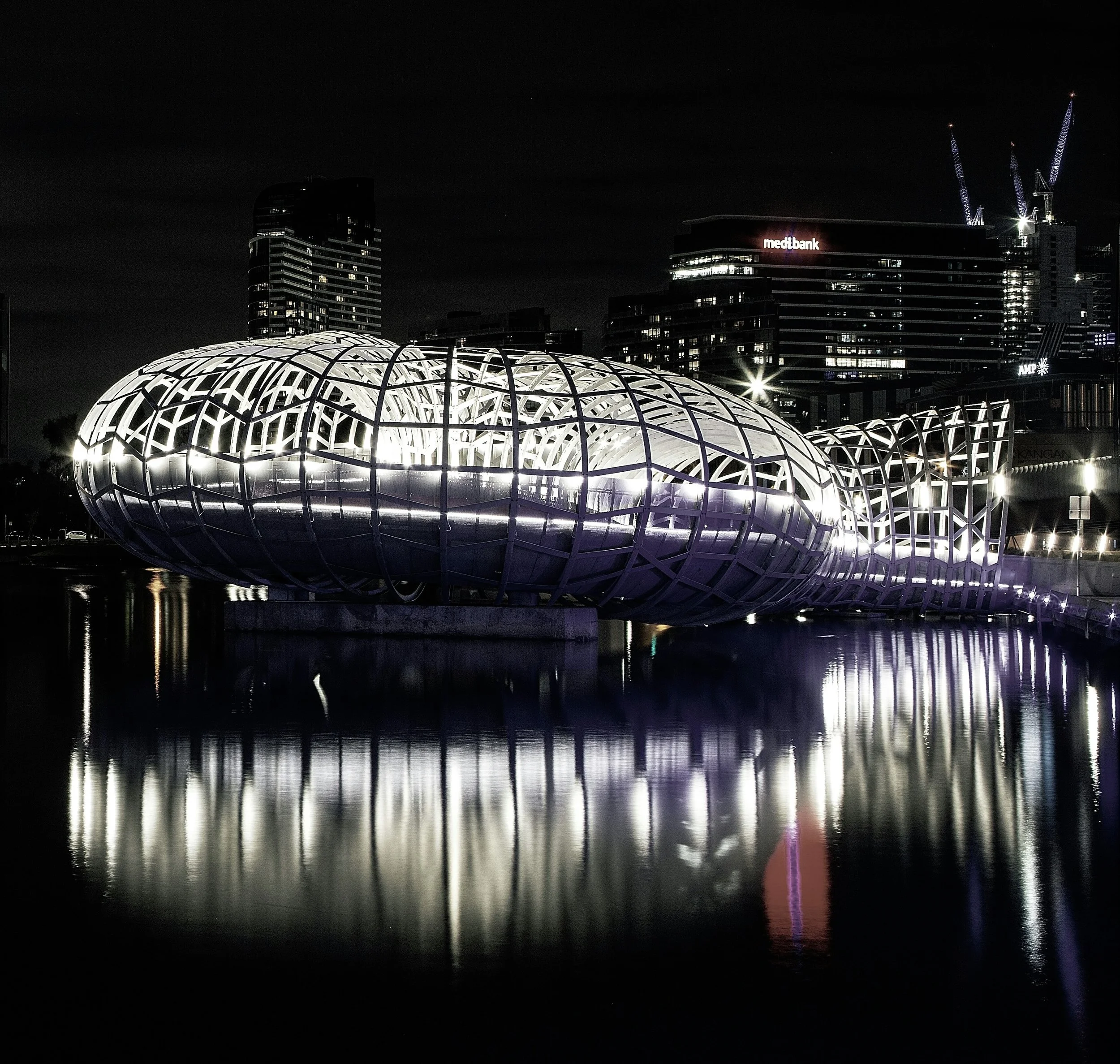
The Webb Bridge literally and figuratively connects past and present. The shape of the bridge pays tribute to Aboriginal history and is modeled on a traditional Koorie fishing trap used to catch eels. Further connecting to the past, the bridge re-uses a remaining section of the original railway bridge. Designed by Denton, Corker & Marshall, and artist Robert Owen, an existing long structural section and a new curved ramp are seamlessly linked. “These two sections form a cohesive, sculptural form, like a metaphorical knot that connects old and new” (parametric-architecture.com). The striking sculptural form is part of a public arts project and lights up in the evening.

Rolling Bridge, London, UK
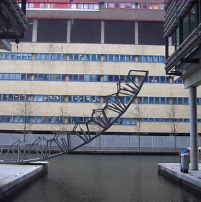
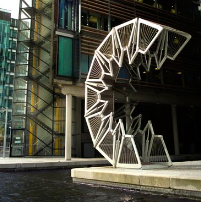
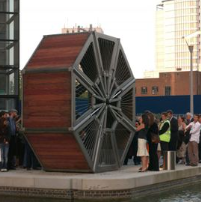
The Roling Bridge in Paddington Basin in London may only be 39-feet long, but it delivers an extraordinary sight. Rather than simply lifting up and out of the way, the bridge opens by slowly, silently and smoothly curling until it changes from a straight pedestrian bridge into a circular structure to allow boats to pass. Made from eight steel triangular sections, the bridge is only attached at one bank and uses a complex system of hydraulic rams to curl and close together. Coiled and sitting on the bank of the canal, it forms an octagon and “looks like a sculpture rather than a bridge, and not dissimilar to an old water wheel” (atlasobscura.com). Designed by Thomas Heatherwick, the bridge is a striking example of kinetic architecture and has become a piece of public art.

Nizhuhe Yunduan Glass Footbridge, Yunnan, China
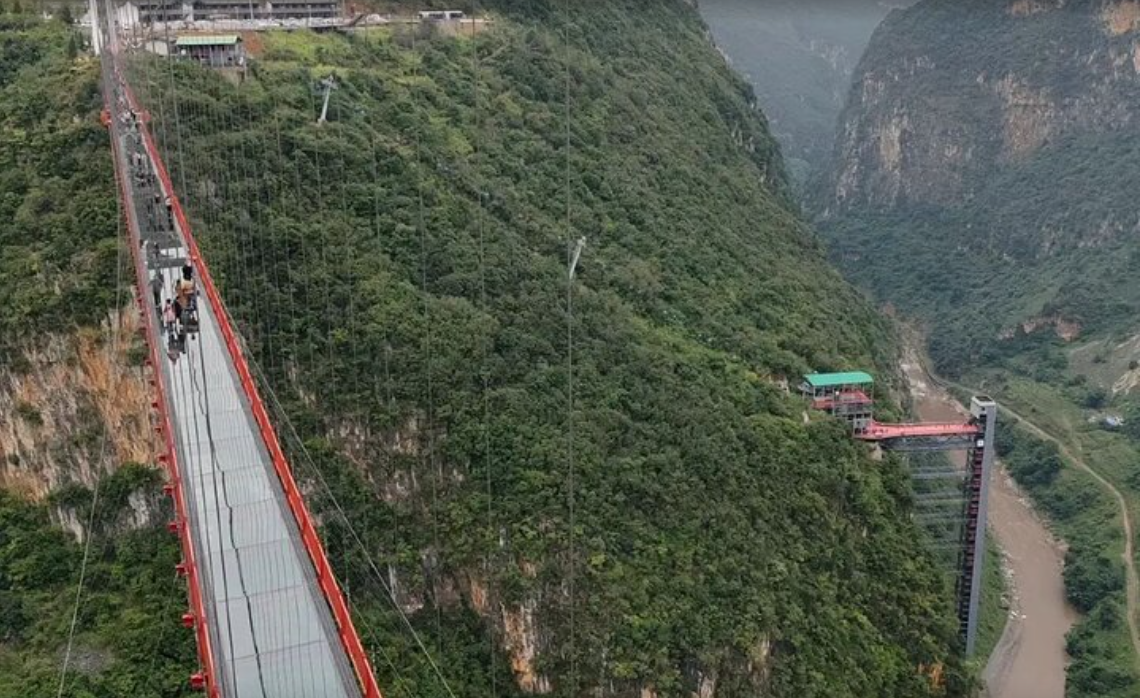
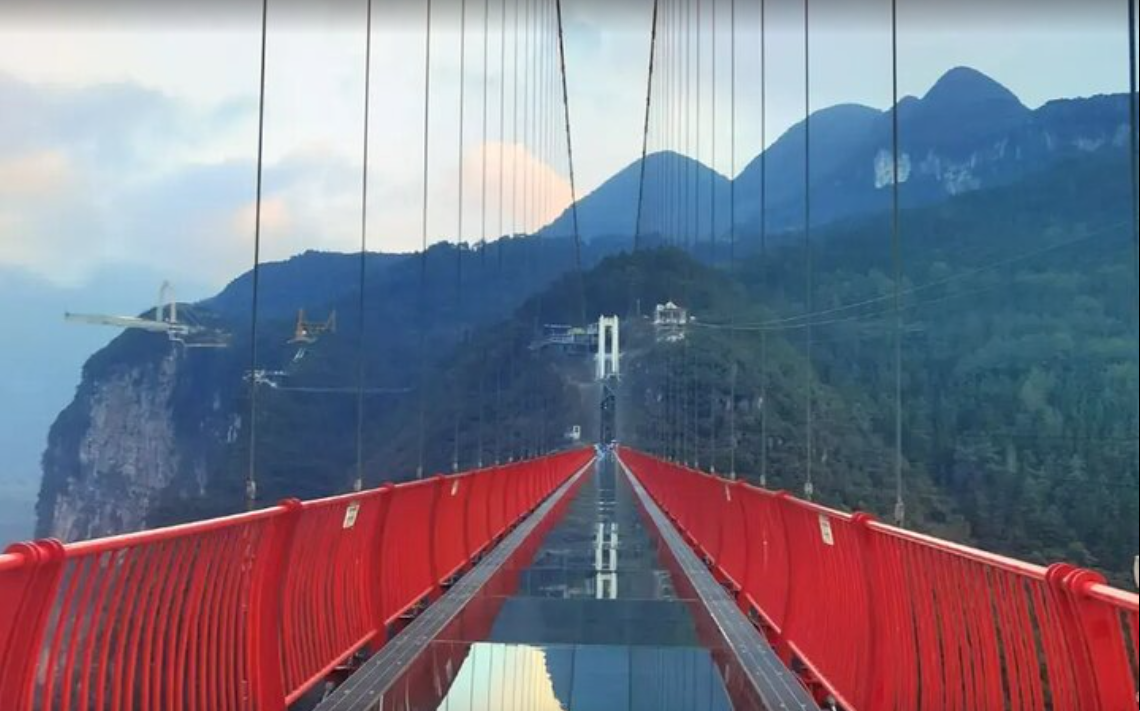
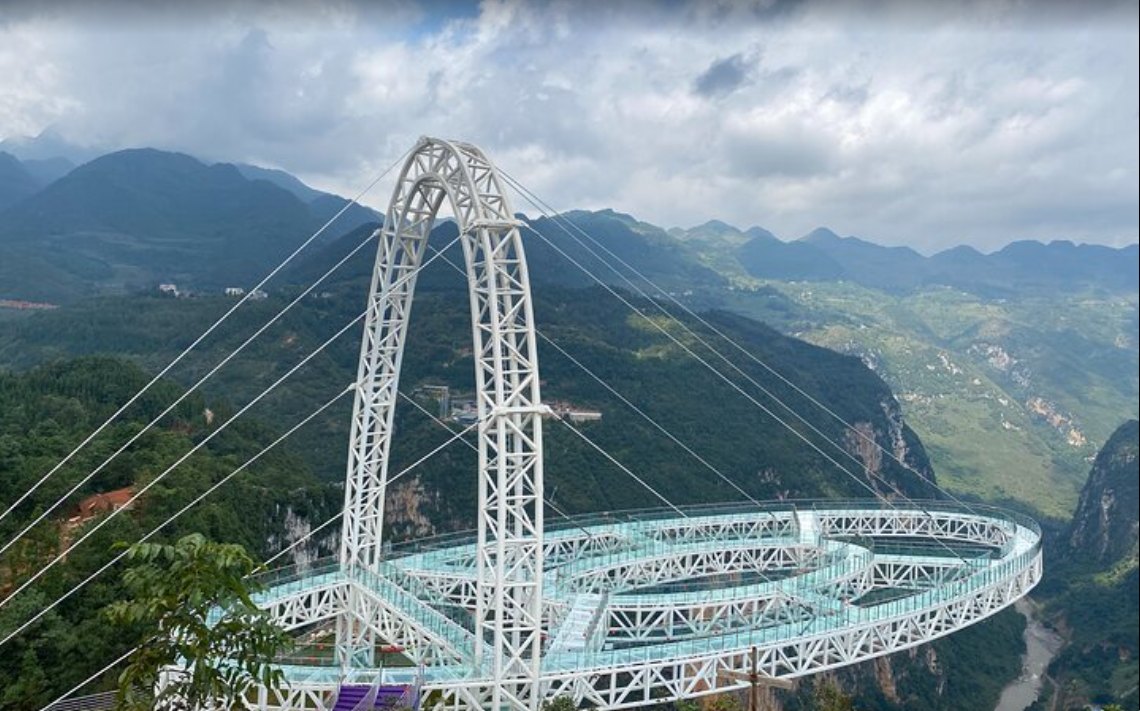
Suspended 1,040-feet above the Beipankiang River gorge, the Nizhuhe Yunduan Glass Footbridge is one of the world’s highest glass footbridges and is a marvel in suspension engineering. It is designed with thick multi-layered transparent tempered glass panels that give visitors an unobstructed (and dizzying) view of the canyon far below, making crossing the gorge feel like an immersive encounter with the landscape. Steel support towers and cables are drilled deep into the limestone rock faces and high strength steel cables hold the deck steady against the mountain winds. In addition to the footbridge, there is also an enormous, cantilevered glass viewing platform 1,541 feet above the gorge and a 590-foot-high bungy jump platform, turning the structure into an extreme tourist attraction.
 
Laura McMahon