“It’s Gettin’ Hot in Here”
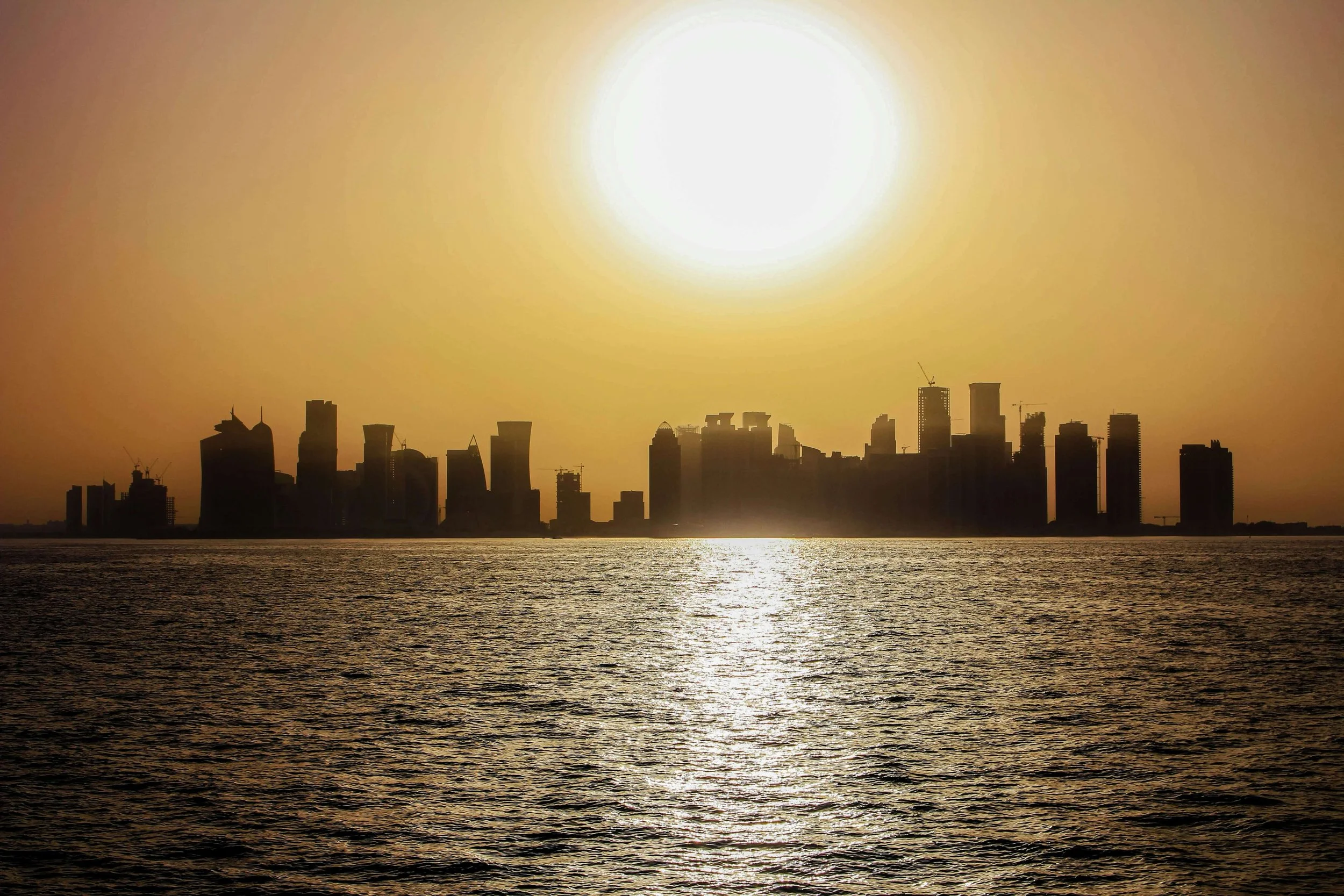
Photo by Ömer Evren on Unsplash

 
“It’s Gettin’ Hot in Here”

by Sweiskloss
Aug 6, 2026
Temperatures are reaching record highs around the globe. And while we expect extreme numbers from places like Death Valley, urban cities are experiencing extreme heat conditions too. On July 30th Phoenix was the hottest city on the globe at 120.2°F, while on Aug 5th Dehloran in Iran hit a scorching 122°F!

With 68% of the global population expected to live in urban areas by 2050, “cooling cities [is] one of the most urgent challenges of the twenty-first century” (parametric-architecture.com).
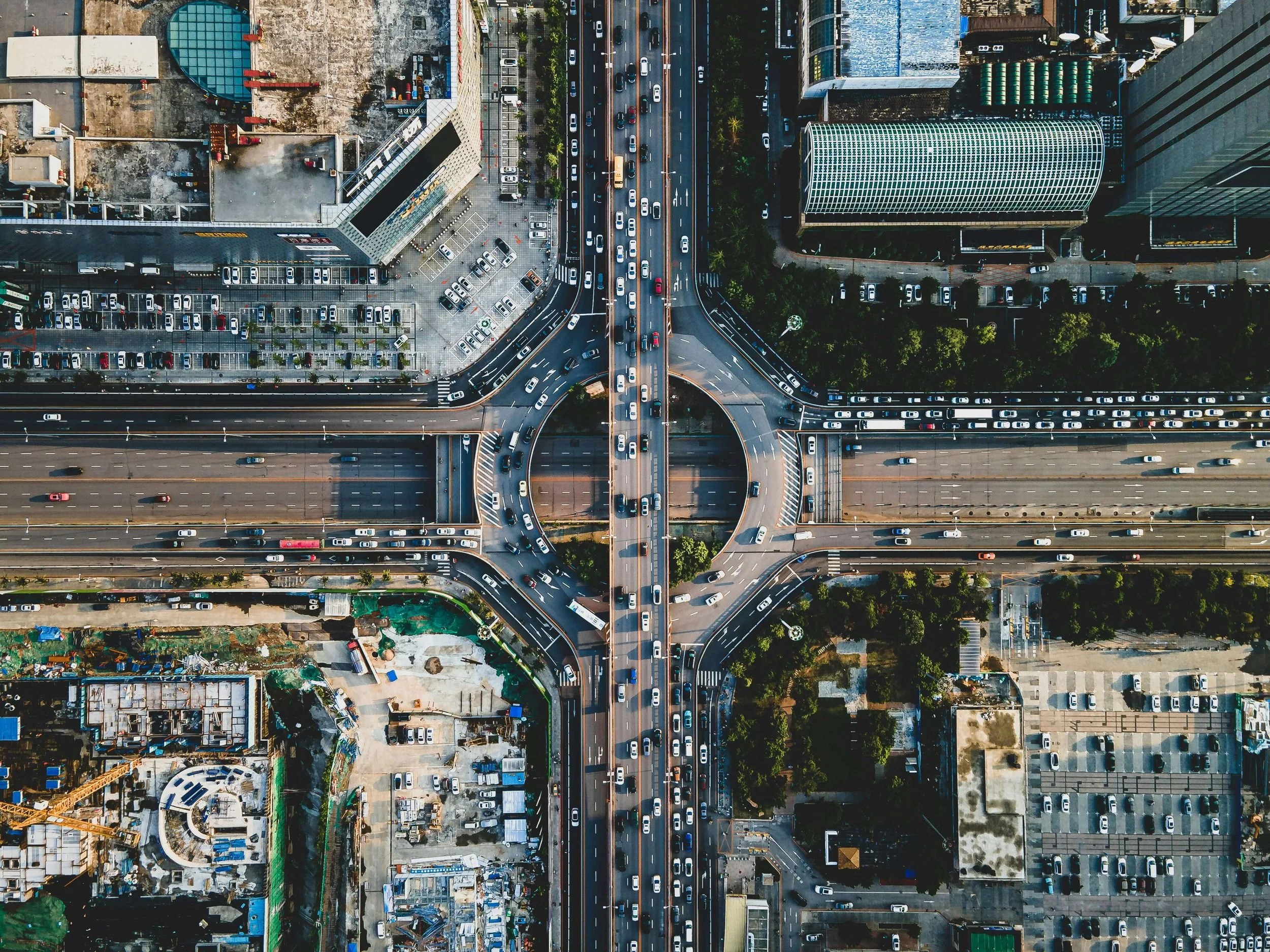
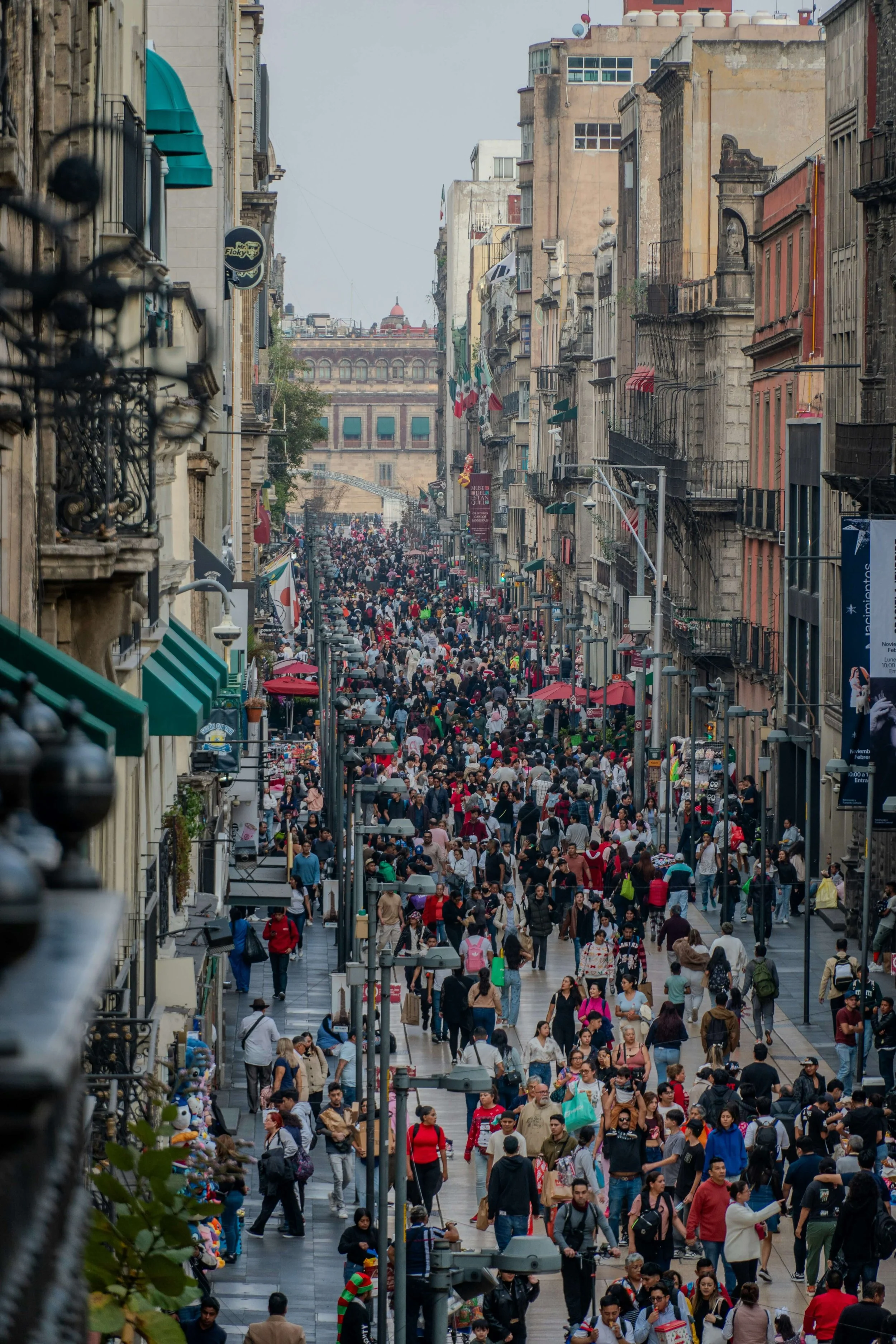
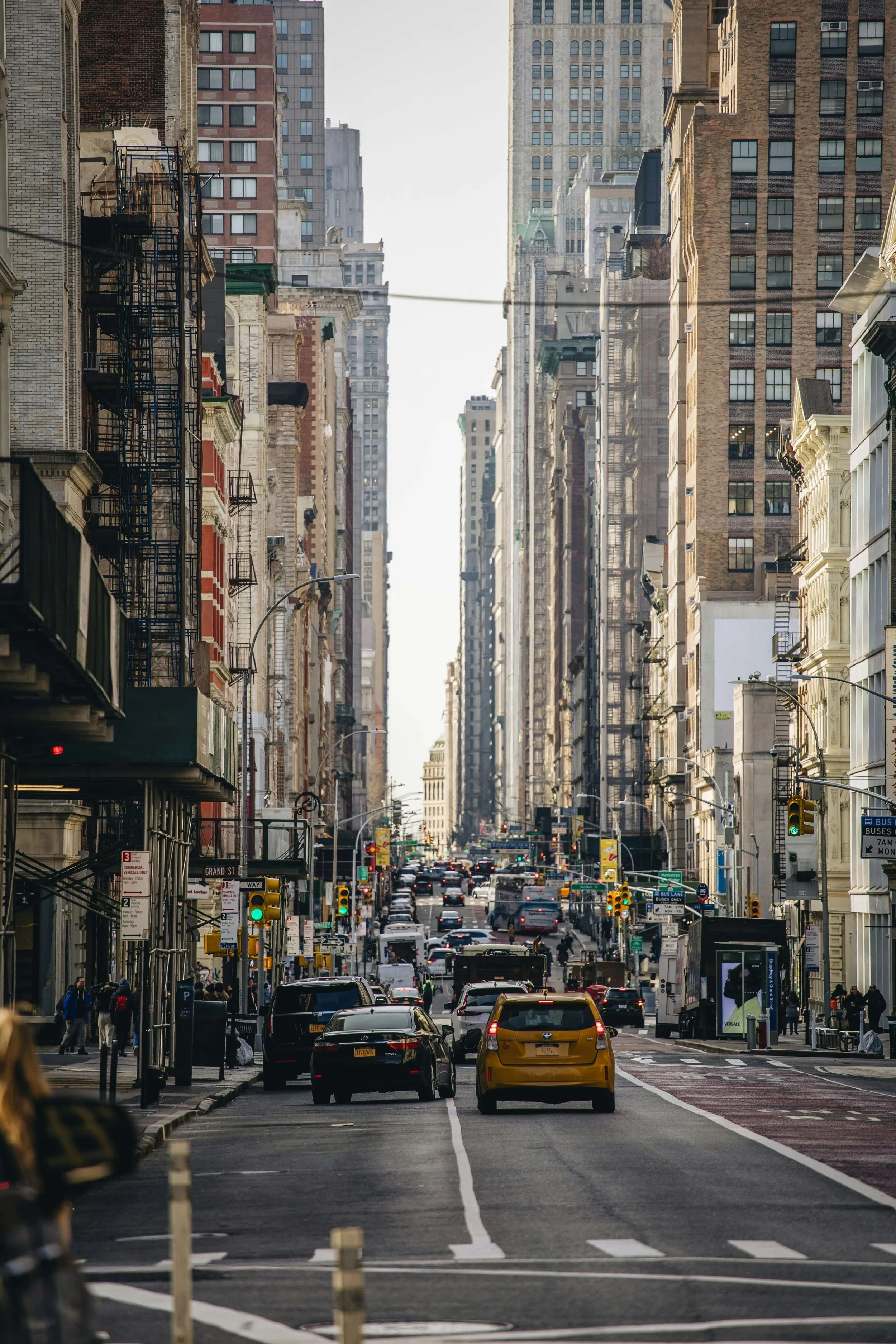
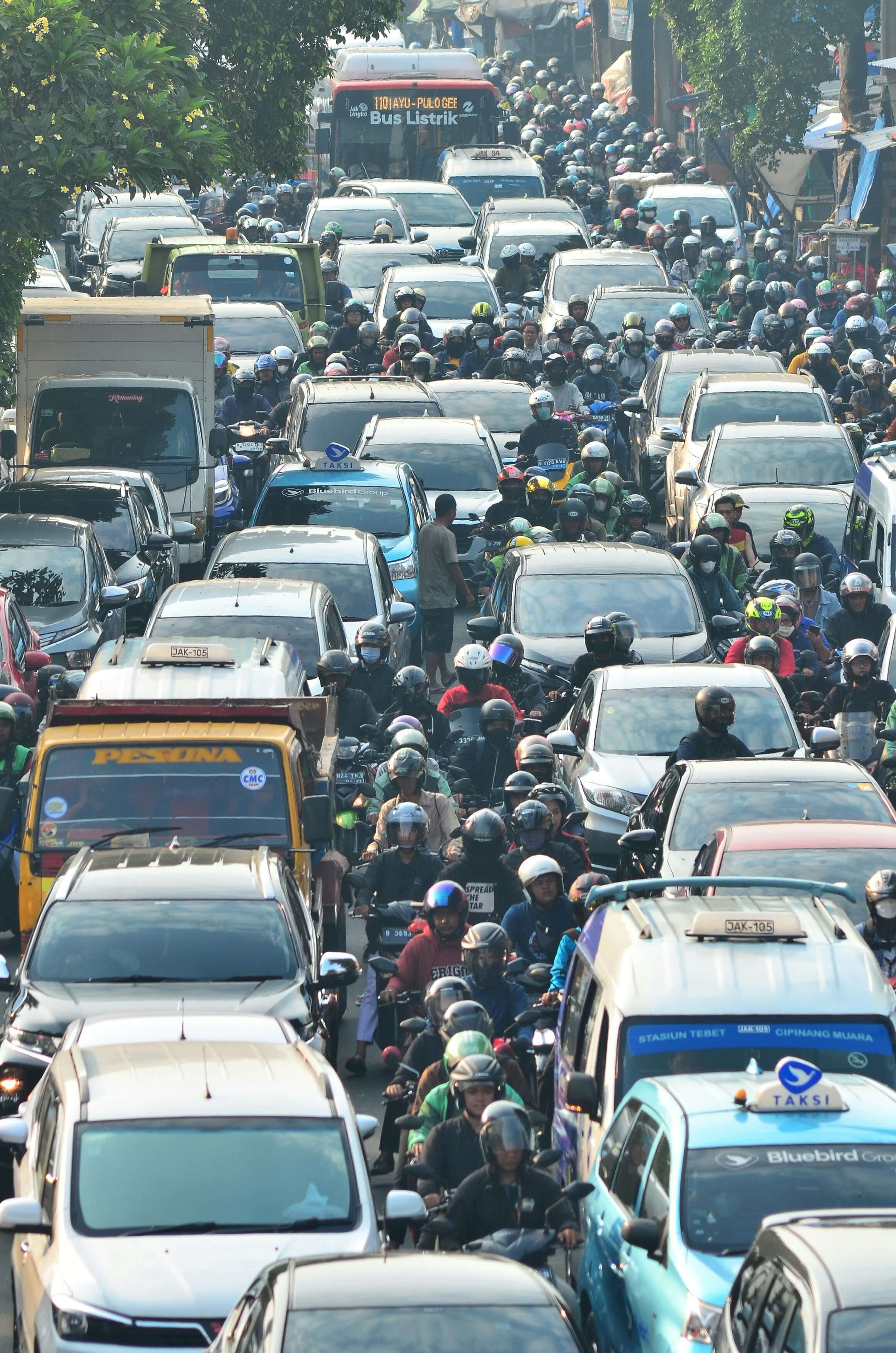
The materials that define modern cities - concrete, asphalt, brick and glass – absorb and radiate far more heat than vegetation and water found in rural landscapes. Narrow streets lined by skyscrapers and tall buildings trap hot air and obstruct natural airflow, while vehicles and air conditioning systems generate additional heat, intensifying the Urban Heat Island (UHI) effect.
The headlines in France’s Le Monde newspaper said it all: “France will face fourth heatwave of the year starting next week” and “Summer 2026 is on track to become the hottest ever recorded in the country.” From Paris to Madrid to Rome, climate change is making heat waves more frequent, severe and widespread forcing cities to rethink how they are designed. “Combatting climate change-driven extreme heat has become a top priority facing European cities this summer as parts of the continent have been roiled by a success of heat waves” (cnn.com), with Paris, Madrid and Rome posting record highs of 111.2°F, 104°F, and 107°F respectively.

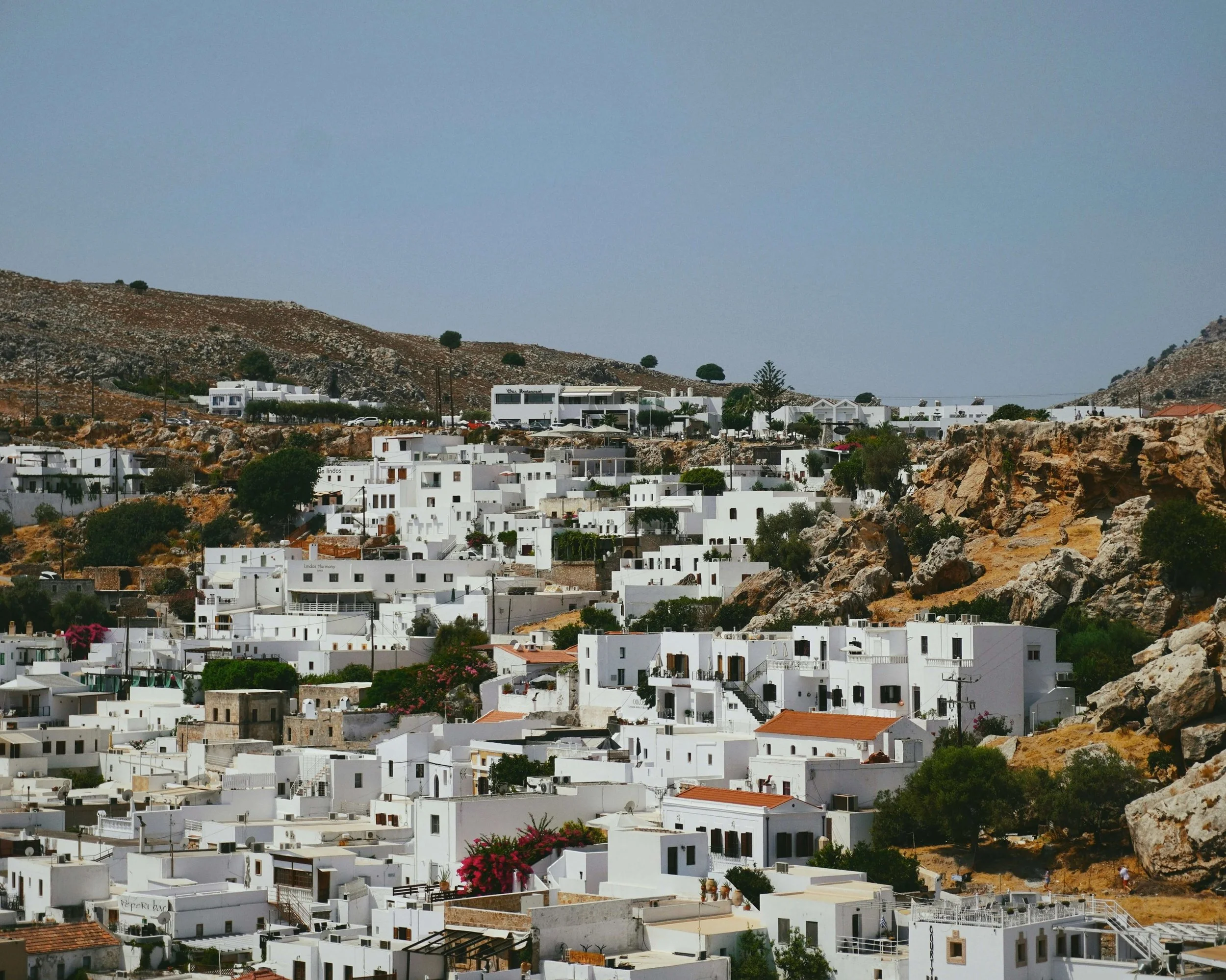
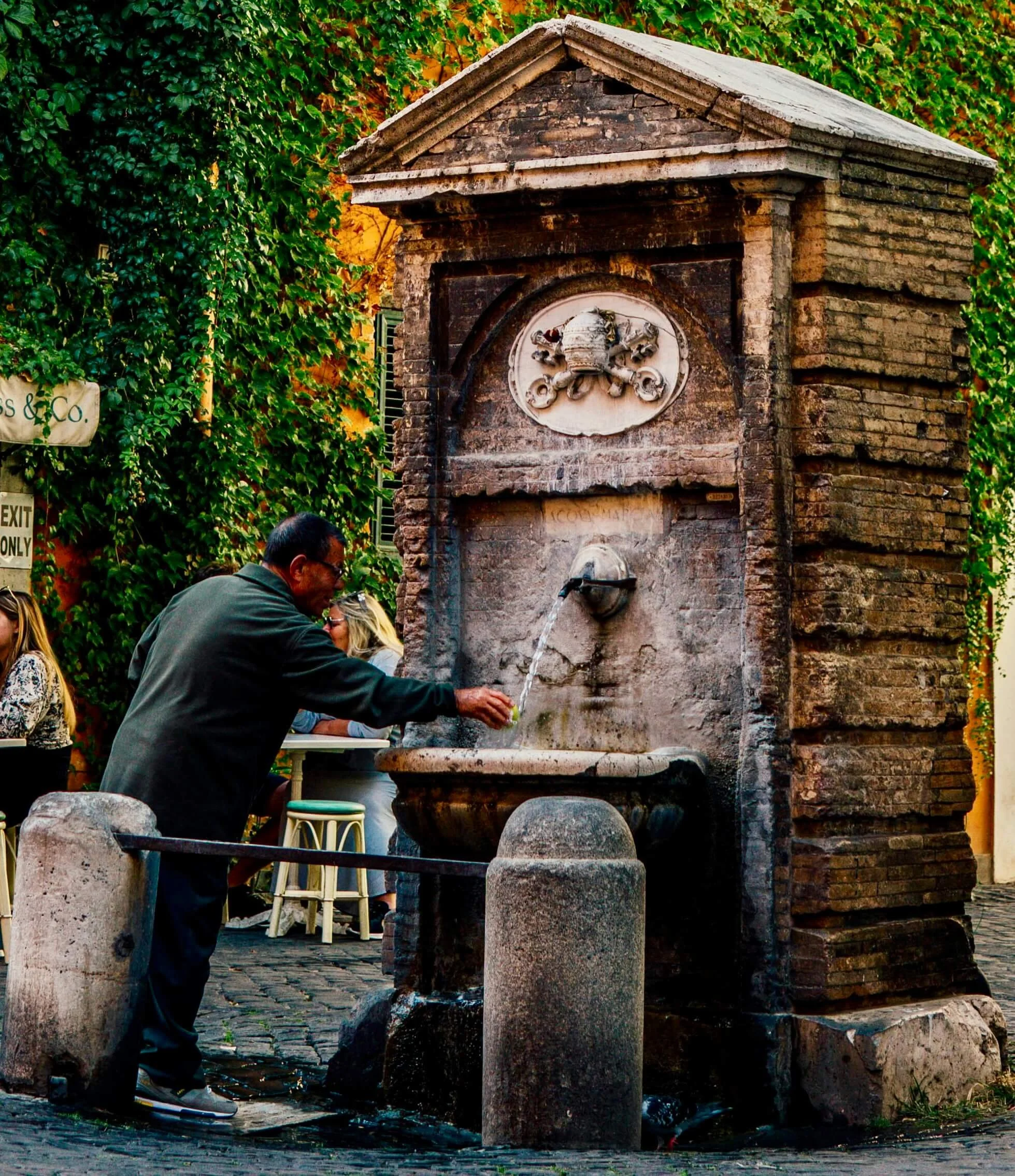
Architects and city planners are implementing a combination of ancient methods, nature-inspired solutions and modern innovations to combat these brutal conditions. Green infrastructure, locally sourced natural materials, reflective paving and reduced asphalt all help lower urban temperatures. Southern European buildings have long been designed to offer shade with external shutters and screens, thick-walled courtyards, and painting walls and roofs white to reflect sunlight, while the cities have widespread fountains and businesses close during the hottest parts of the day (theguardian.com). Rome, inspired by its historic “nasoni” drinking fountains, has installed hundreds of kiosks dispensing free chilled water, while other cities such as Barcelona have introduced “climate shelters” such as movie theaters, sports venues and other public spaces where residents can escape the heat.
Around the globe, several cities are demonstrating how architecture, landscape design and urban planning can create cooler, more resilient environments, allowing residents to enjoy outdoor spaces rather than retreat indoors to AC-chilled homes.

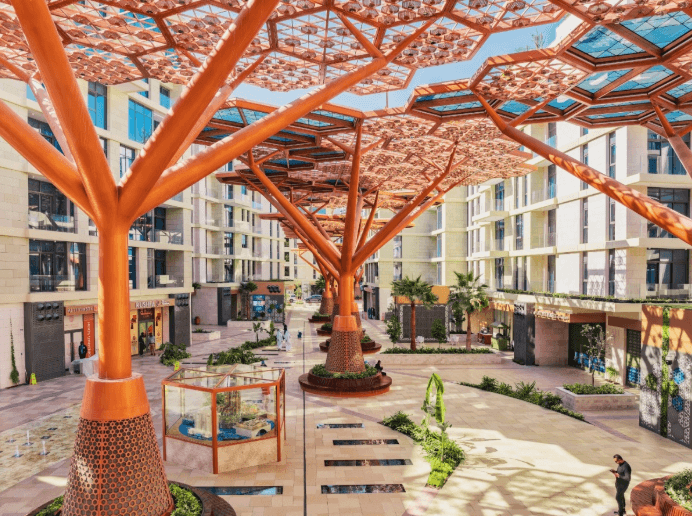
Gewan Island, Qatar
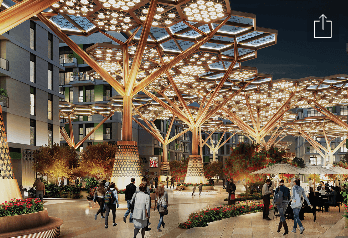
Located off the coast of Doha, man-made Gewan Island redefines outdoor comfort by combining modern design with advanced cooling technology. Artificially controlled temperature allows pedestrians to enjoy restaurants and retail year-round in this desert climate. Crystal Walk promenade is covered by a canopy of tree-like structures that offer shelter from direct sunlight while helping trap cooled air blowing from vents below. “The corridor is designed to trap cooler air under a canopy of shaded, honeycomb glass solar panels” (ae7.com). Artificial branches covered in 10 tons of crystals and solar panels convert the sun into electricity to help power the air-conditioning. Crystals embedded in the floor create artwork, while the crystal trees have become a social media hit. If that weren’t enough to attract visitors, according to Guinness World Records, it is the largest outdoor air-conditioned mall at 79,222.41 square feet.

Medellín, Colombia
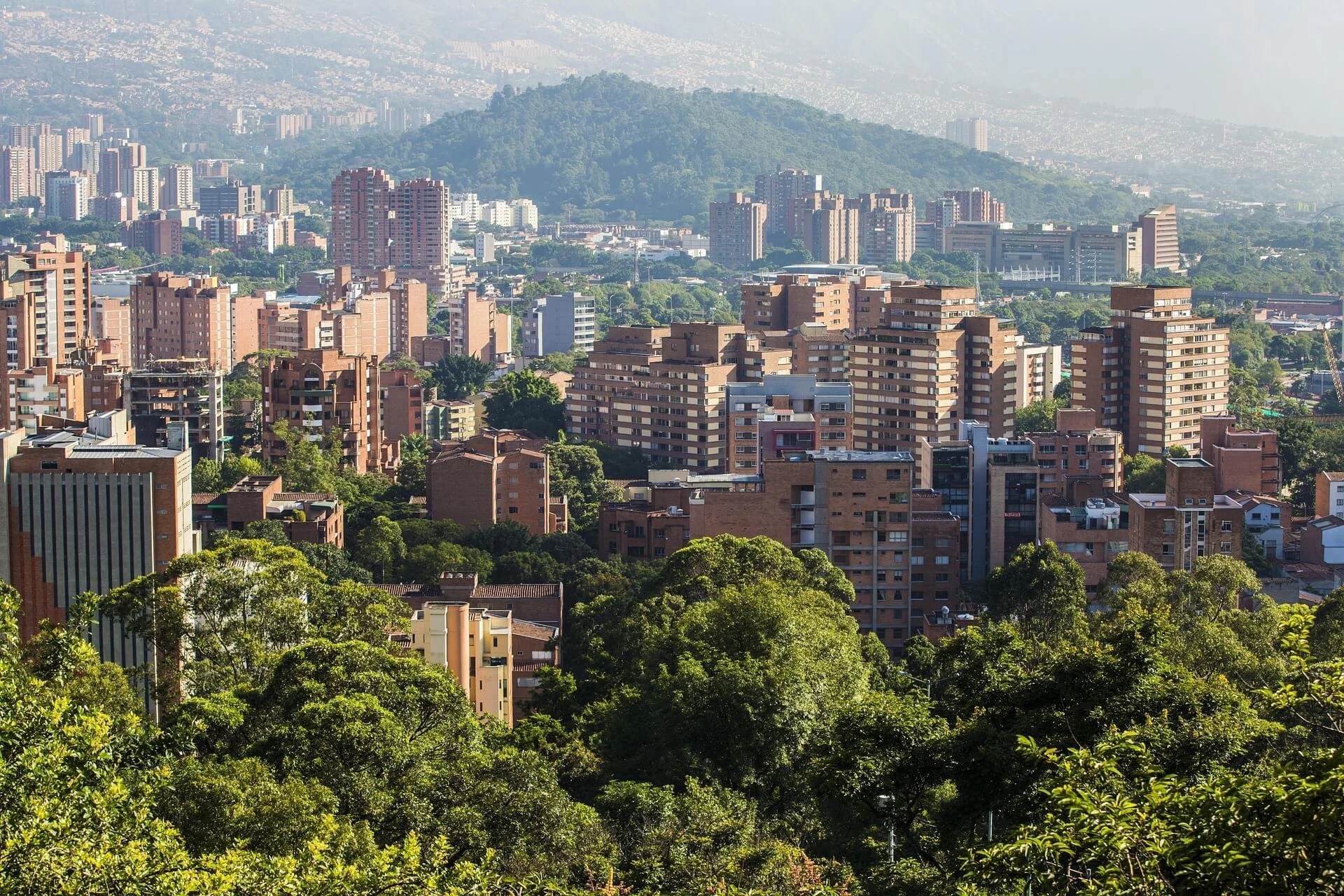
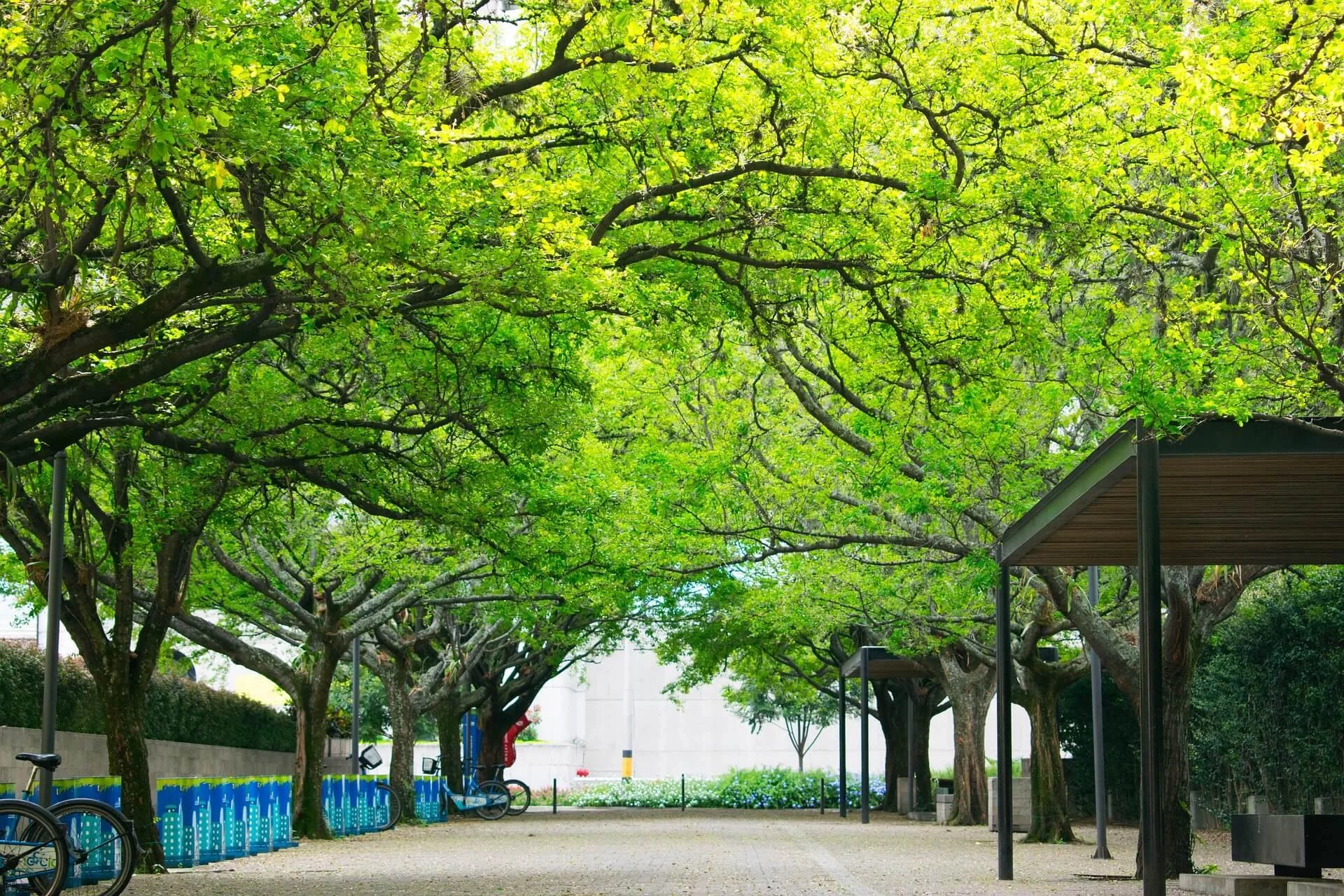
Colombia’s second largest city, Medellín, transformed 18 roads and 12 waterways into a 20-kilometer network of 30 “Corredores Verdes” to form an interconnected network of greenery around the city. According to Reuters, thousands of native trees, palms, bamboo and tropical plants have been planted around sidewalks, parks and busy traffic routes providing shaded pedestrian and cycling routes (preventionweb.net). Since implementation, the Green Corridors have helped reduce the average city temperature by 2°C, improved air quality and increased biodiversity with wildlife-friendly habitats (c40knowledgehub.org).

Paris, France
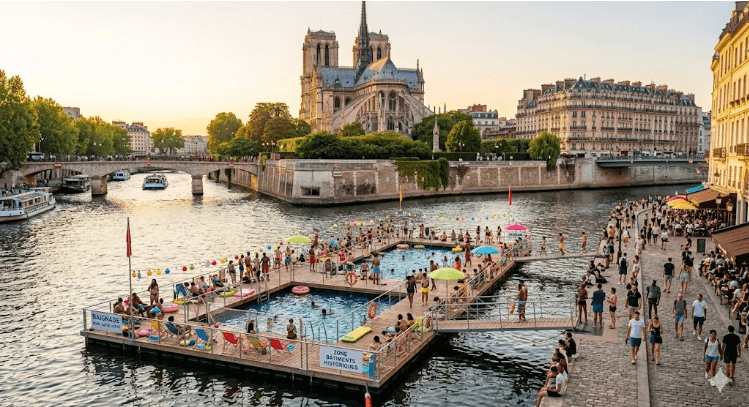
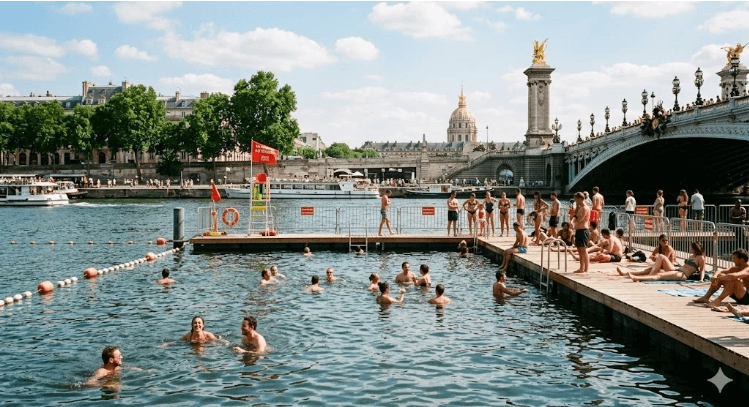
Paris uses a vast underground network of pipes to cool public buildings using water from the River Seine. The system of 75 miles of pipes distributes chilled water from the Seine to iconic landmarks like the Louvre and Grand Palais, to offices, hospitals, schools and other public buildings. Chilled water from 12 production plants is pumped to buildings through a closed loop. “Compared to individual cooling systems, Paris’ district cooling consumes 50% less electricity and produces 50% fewer carbon emissions” (euroheat.org). Additionally, the city boasts “cooling islands,” approximately 1,400 public spaces where residents can get a respite from the heat at parks and gardens, water fountains and air-conditioned public building like museums, misting stations and designated swimming zones along the Seine, all easily found on an app. The city also intends to plant 170,000 trees by the end of this year, significantly increasing green spaces, mitigating heat and improving air quality.

Al Bahar Tower, Abu Dhabi
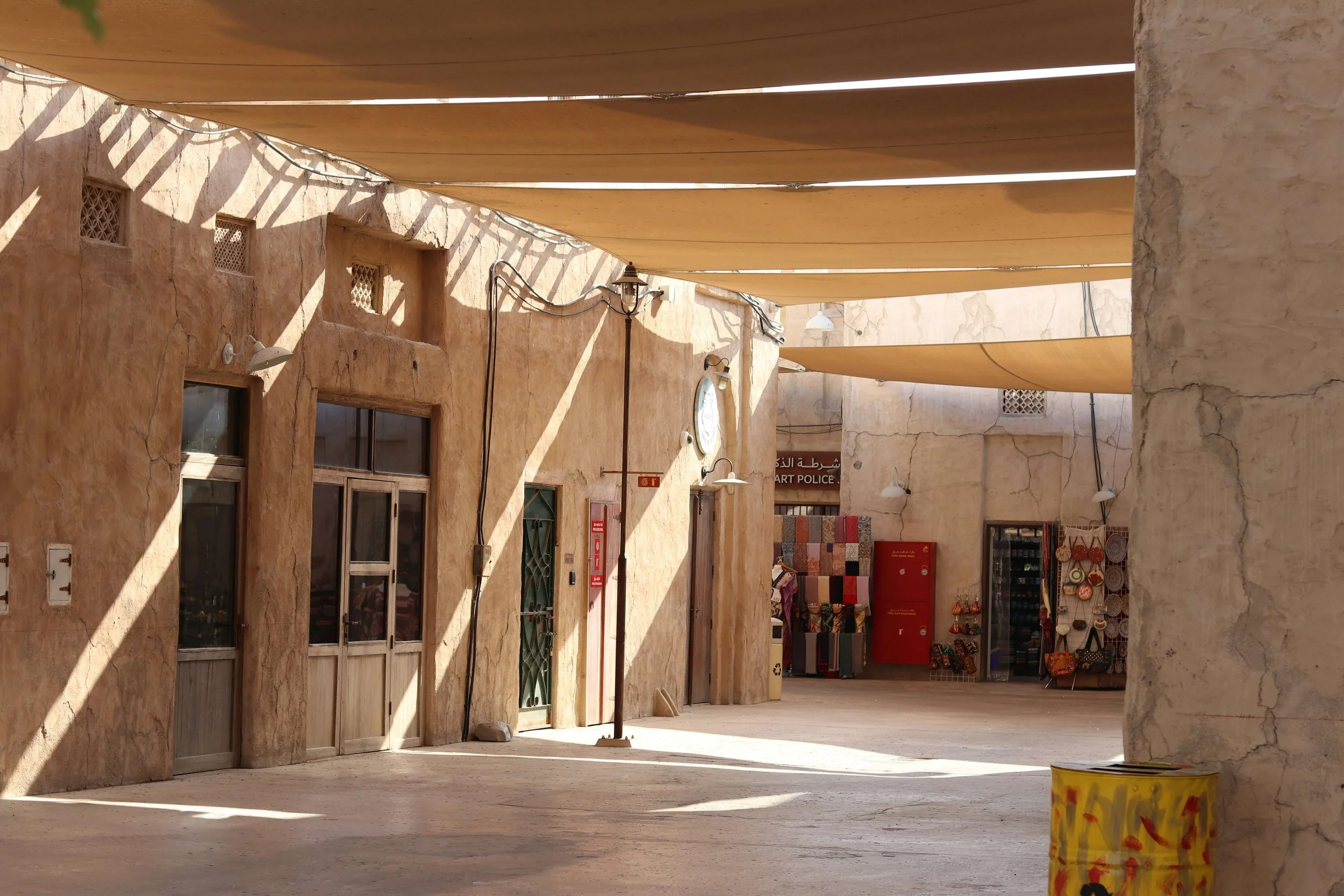
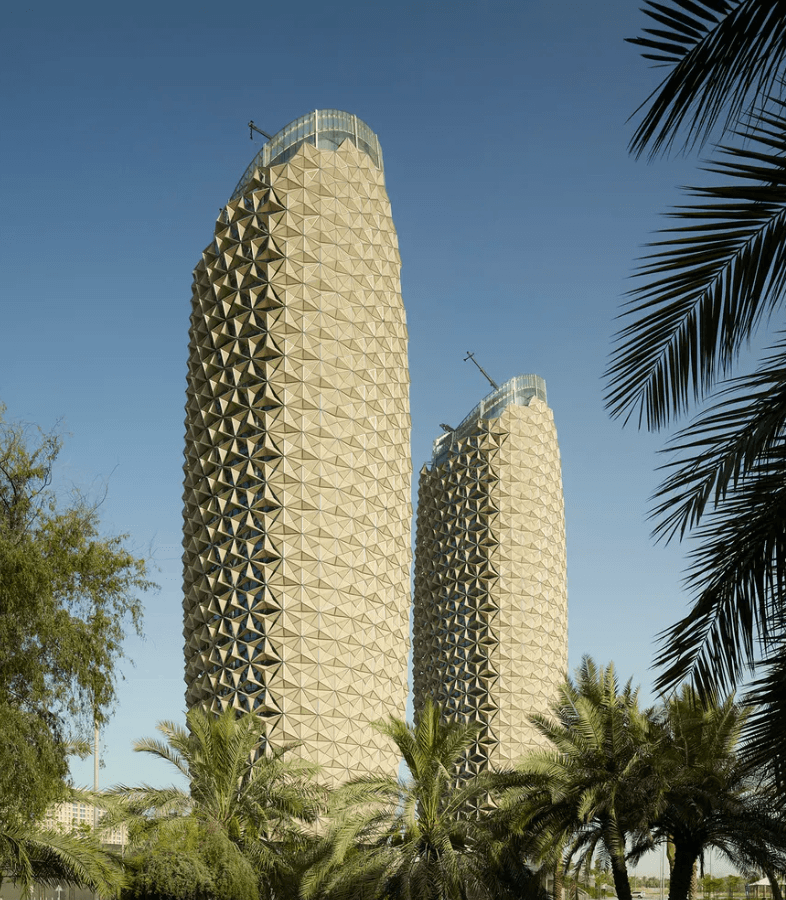
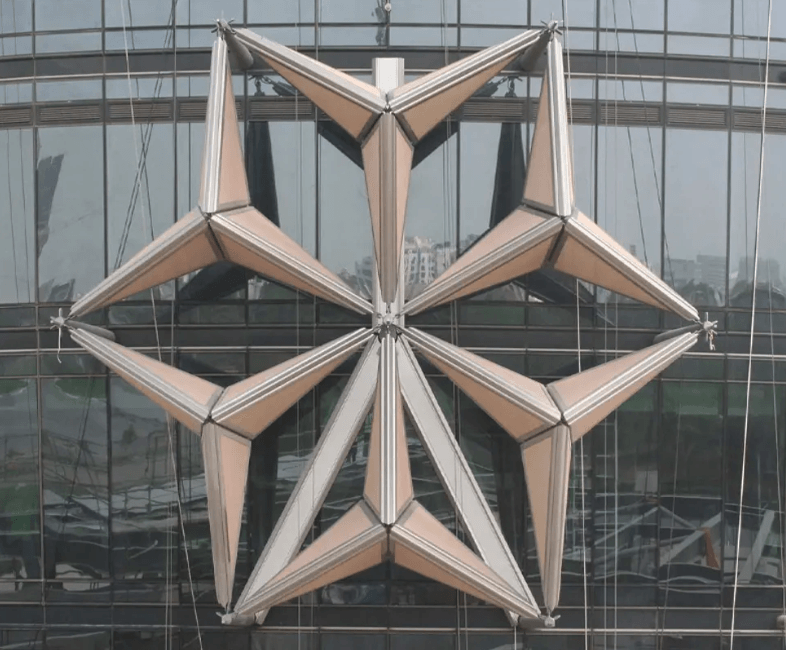
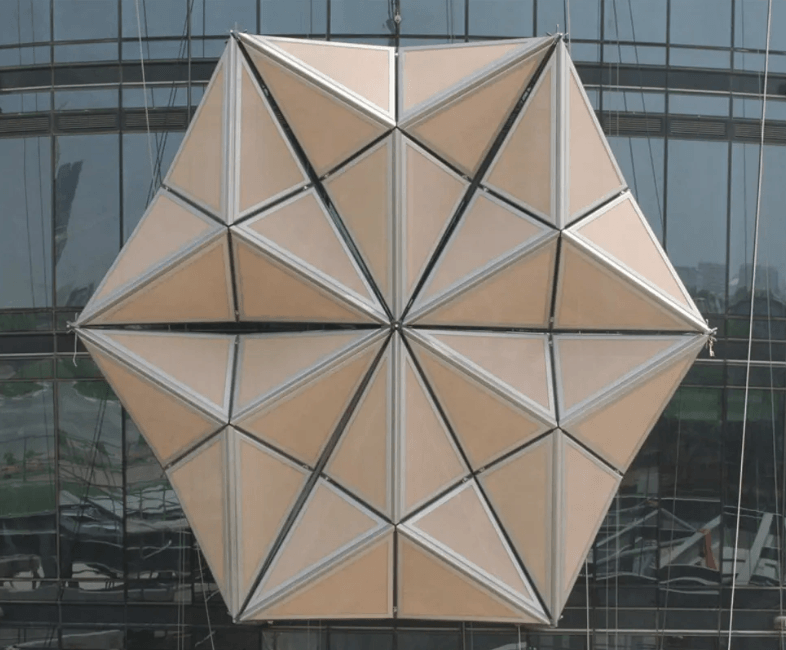
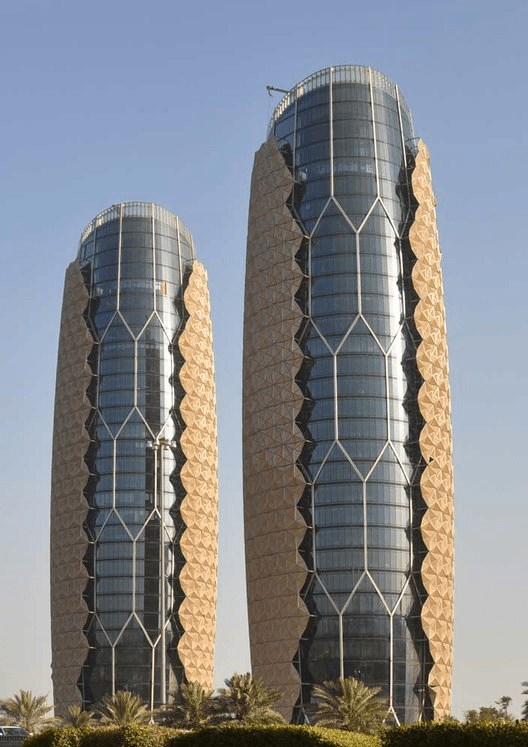
Creating an iconic silhouette on Abu Dhabi’s skyline, the two 29-story towers reinterpret the traditional Islamic geometric patterning of the Mashrabiya with cutting-edge technology. Their kinetic façade features approximately 2,098 computer-controlled umbrella-like fiberglass panels that open and close throughout the day, tracking the sun to provide shade when needed and admit daylight when it is not. Inspired by the intricate latticed wooden screens historically used in Arab architecture to provide shade, privacy and natural ventilation, the adaptive envelope reduces solar heat gain and cooling demands by 50%, while allowing natural light to filter through the high-performance glass. Celebrated for its innovation, engineering and climate-responsive design, the towers show how traditional architectural principles can be reimagined with innovative technology to combat extreme heat.
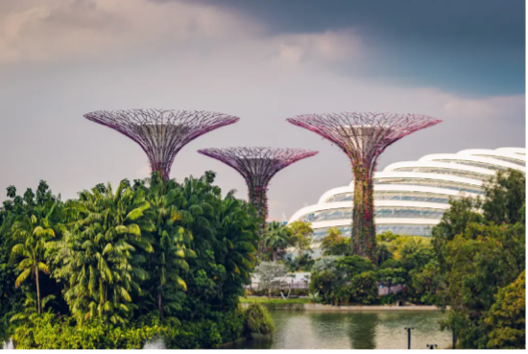
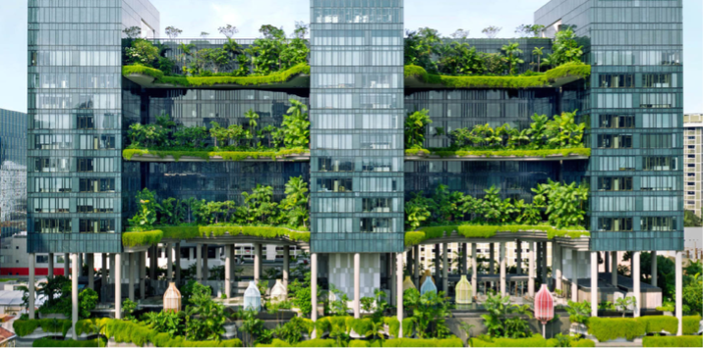
Singapore is committed to tackling UHI through its “Cooling Singapore” initiative, which combines advanced technology with nature-based design to improve climate resilience. At its core is a Digital Urban Climate Twin, a sophisticated computer model that simulates urban temperatures, evaluates the impact of new developments and informs city planning and public policy. Buildings are designed and oriented to maximize natural ventilation and wind flow, minimize solar heat gains, and incorporate sky-rise greenery and vertical gardens. Regulations require developments to replace greenery lost during construction, while the city aims to plant 1 million trees by 2030 and ensure that residents live within a 10-minute walk to a park (dw.com). Singapore is also testing solar reflective “cool paints” for public housing. This vision is embodied by Supertree Grove, where man-made ‘Supertrees’ support over 160,000 plants while generating solar power and harvesting rainwater. This biophilic approach is also exemplified by the PARKROYAL COLLECTION Pickering hotel, where 15,000 square meters of lush landscaping, cascading vertical gardens, sky terraces and waterfalls are seamlessly integrated with sustainable, energy-efficient design.

Beyond architectural design, emerging technologies are helping cities manage heat more efficiently. Innovations such as Phase Change Materials and Radiative Sky Cooling are exploring how “building envelopes can absorb, store and dissipate thermal energy through their intrinsic material properties” (parametric-architecture.com). Cool roof coatings and reflective pavements further reduce heat by bouncing sunlight away from surfaces. One example is “The Coolest White,” a high-performance paint coating developed by Dutch UNStudio and Monopol Color, that reduces heat absorption by up to 12% while offering exceptional durability, weather resistance and long-lasting color retention (archdaily.com).

Recent heatwaves have highlighted the urgent need for resilient urban design to create healthier and more livable cities. Thoughtful and eco-friendly architectural strategies combined with innovative technology provide practical solutions that are as much about beauty as they are about life-saving function.
 
Laura McMahon