This month, New York City celebrates its 400thAnniversary. In May 1626, Peter Minuit formally purchased the island of Manhattan from the local indigenous Lenape People for $24 and created the Dutch settlement of New Amsterdam. (Real estate prices have never been the same since!)
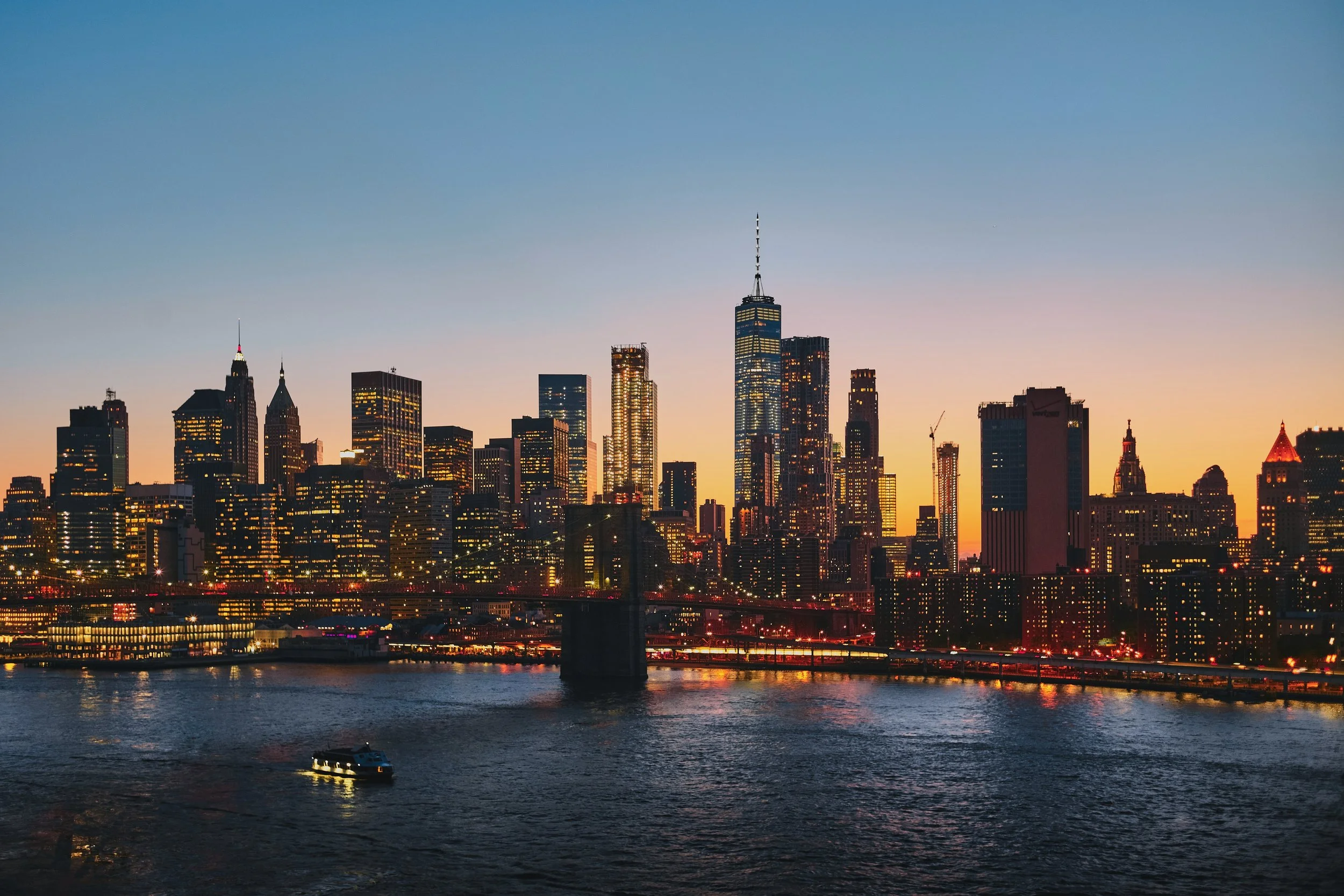
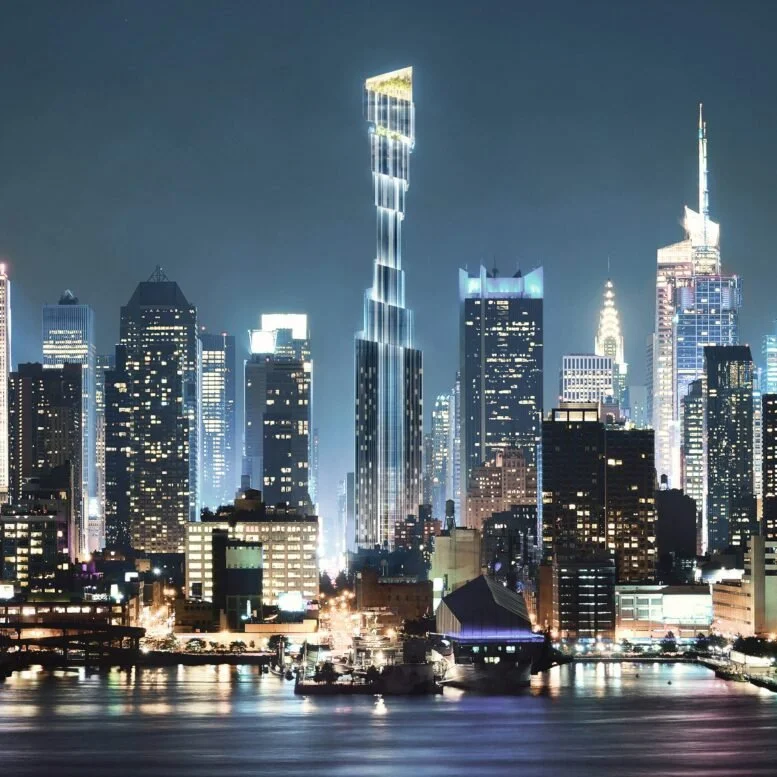
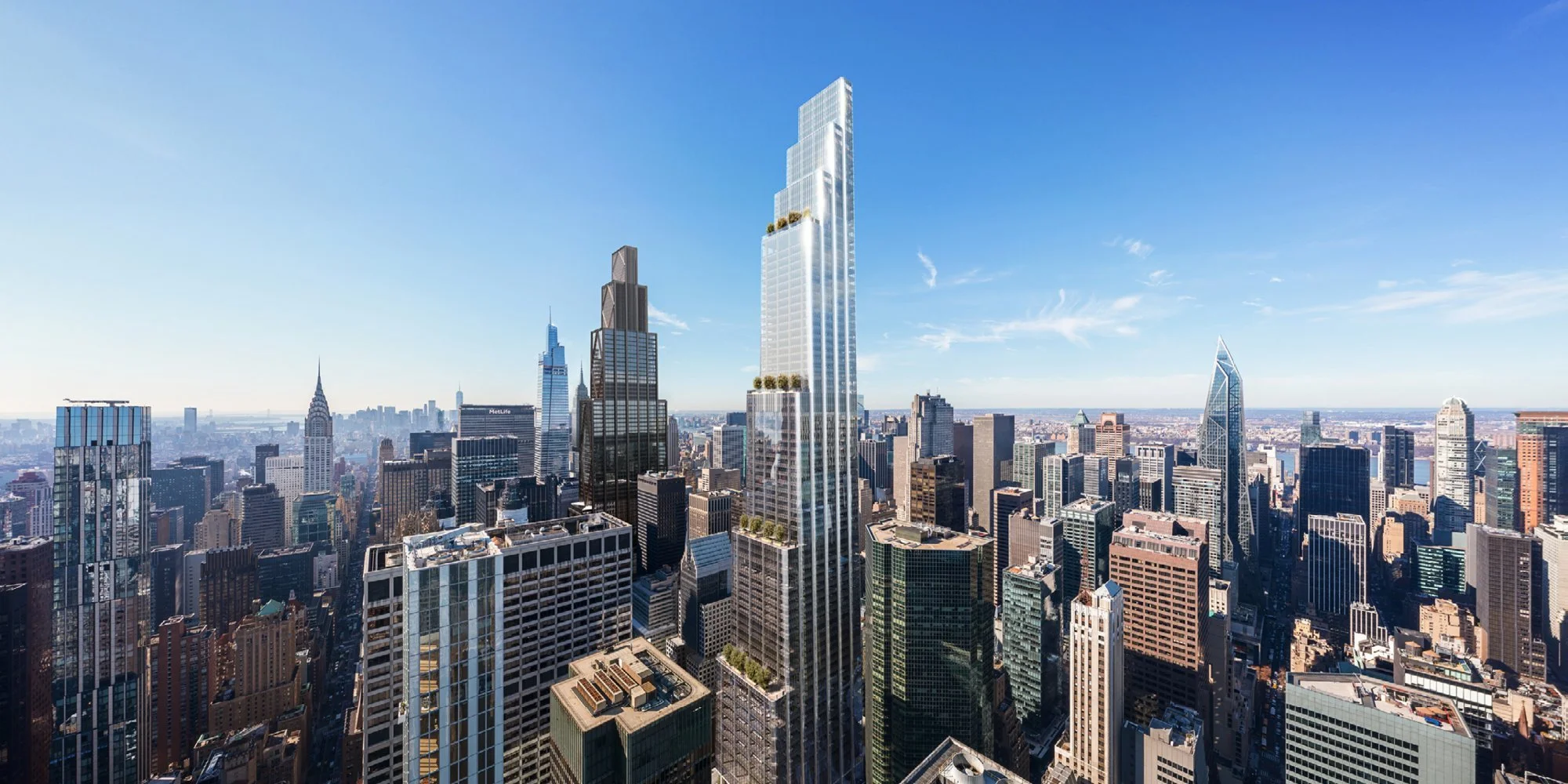
Just say the initials “NYC” to anyone and images of a skyline dominated by tall skyscrapers and commanding bridges will come to mind. For sure, the Big Apple has striking tall buildings from the Art Deco Chrysler building to the iconic 1,454-foot Empire State Building to the soaring One World Trade Center. And more groundbreaking skyscrapers are planned: The Torch, a 1,312-foot spiraling building whose unique design features a large, torch-like crown, referencing the Statue of Liberty’s torch; 350 Park Avenue, a supertall all-electric tower of terraced glass flutes; and the Affirmation Tower in Hudson Yards, a 1,663-foot 95-story skyscraper with spectacular views of the Hudson River.
Affirmation Tower rendering courtesy of The Peebles Corp, newyorkyimby.com
Along with these famous skyscrapers, any visit to The Big Apple includes the “must-see” sites from Grand Central Terminal to Washington Square Park to the Metropolitan Museum of Art. But the city is also graced with off the beaten path hidden gems and architectural marvels that offer a glimpse into the city’s past, provide cultural references and are basically really cool secret spots.
Secret Platform at the Waldorf Astoria
One of the city’s classic Art Deco buildings, the Waldorf Astoria, has a secret train platform, on Track 61, hidden deep beneath the hotel. Originally built in 1931, it features a private oversized elevator that allowed VIPS to travel directly from a train car to their rooms, by-passing the lobby. Track 61 is not open to the public; it is used by the Secret Service as an emergency escape route for high level politicians. It was famously used by President FDR to hide his polio from the public. Other noted guests who used the platform include General Pershing, General Douglas McArthur, and Andy Warhol once even threw an underground party there.
Trinity Church
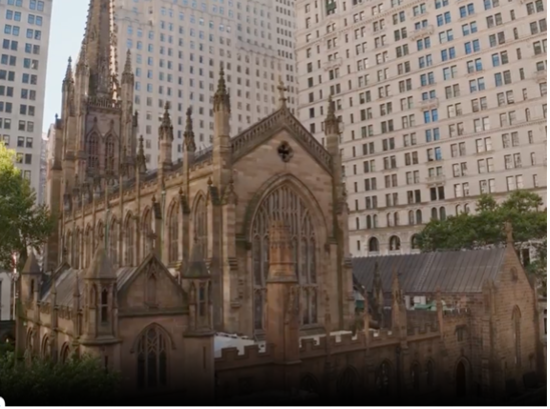
While pizza and bagels are synonymous with NYC cuisine, oysters were once a staple as there were miles of oyster beds lining the Lower Hudson Estuary. Built in 1697, the mortar binding the stones of Trinity Church was made from ground-up oyster shells. With an abundance of oysters, their crushed and burned shells were frequently used to create a strong paste for construction. Famously, Alexander Hamilton was buried in the churchyard and President Washington was a parishioner.
Fraunces Tavern
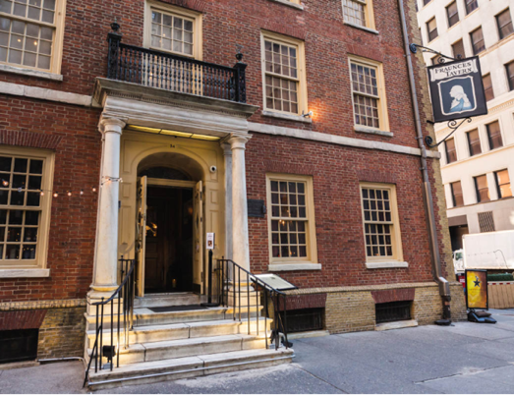
The oldest bar in New York City, Fraunces Tavern is “known as the watering hole for many of the founding fathers” (frauncestavern.com). Built in 1719, it was originally the private residence of a wealthy merchant and later transformed into a tavern. Fraunces became the epicenter of patriotic activity in New York, including a meeting place for the Sons of Liberty. Washington celebrated the final evacuation of the British Army at the tavern in 1783 and bid farewell to his officers in the Tavern’s Long Room. While the building has been restored, the original 1719 bricks can still be found on the lower levels. The structure features traditional Colonial Revival architecture with dormer windows and a sloping roof.
Glowing Green-Eyed Owls
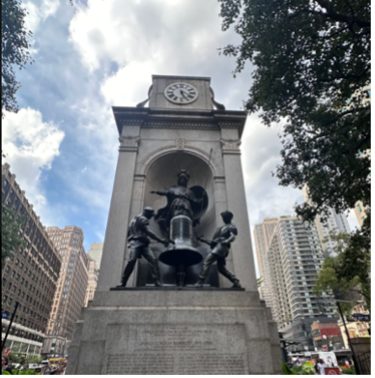
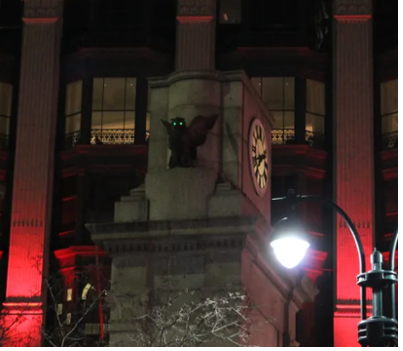
In the midst of Penn Station traffic and bustling tourists visiting the Empire State Building nearby, two bronze owls sit atop a monument in Herald Square. Commemorating the New York Herald newspaper that once stood on the site, the monument features owls salvaged from the original building, whose owner was obsessed with the bird. At night, the owls’ eyes glow a spooky green.
Staple Street’s Skybridge
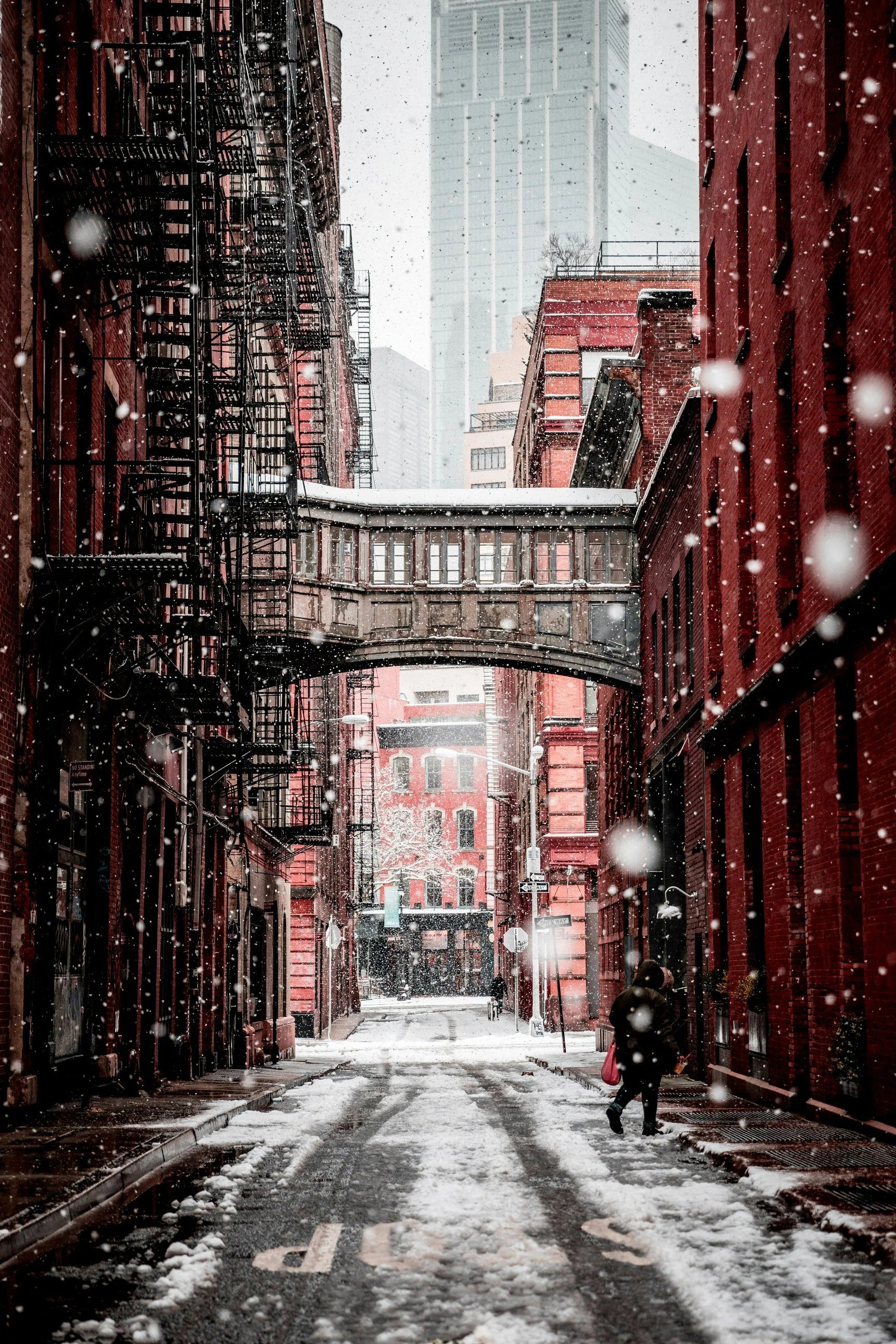
Only two blocks long, Staple Street in Tribeca boasts a cast-iron bridge three-stories above ground level, connecting two buildings with two different addresses. The bridge originally connected New York Hospital’s Emergency Room located on the third floor of 67 Hudson Street, with its laundry room located on the third floor of 9 Jay Street. While the hospital moved, the bridge remained and today connects a unique private residence, a two-building landmarked property. To own the property, you must purchase both lofts on either side of the bridge, totaling 7,500-square feet, making this luxury apartment one-of-a-kind.
33 Thomas Street
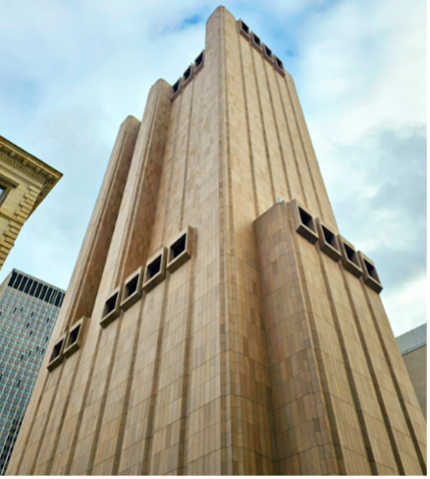
Also known as the AT&T Long Lines Building, 33 Thomas Street is a windowless Brutalist skyscraper in lower Manhattan. It was completed in 1974 as a telecommunications hub housing massive equipment, and “was conceived, according to the architect [John Carl Warnecke], to be a ‘skyscraper inhabited by machines’” (placesjournal.org). It was also built to withstand a nuclear blast, and, in some circles, has been linked to government intelligence and surveillance.
Pomander Walk
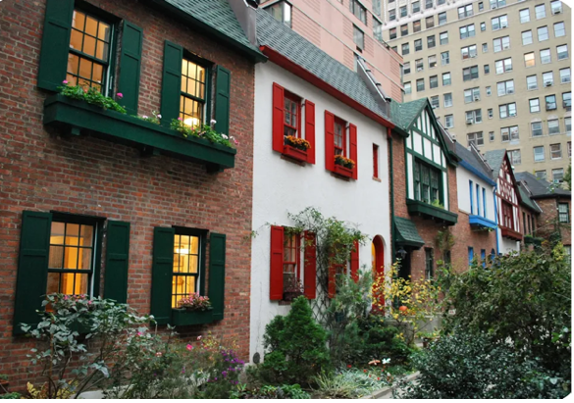
Step back into Tudor London as you pass through the wrought-iron gates of Pomander Walk on the Upper West Side. Developed in 1921 by Thomas Healy, who was inspired by the British play of the same name, the private gated community consists of 27 colorful Tudor-style cottages. The pedestrian-only walk is lined by two rows of houses facing each other across a narrow floral-lined path with mini gardens, antique lanterns and timber detailing. Secluded and exclusive, the landmarked “secret village” is an enchanting hidden oasis that has attracted celebrities from Hollywood’s Golden Age such as Humphry Bogart, Rosalind Russell, Paulette Goddard and Nancy Carroll.
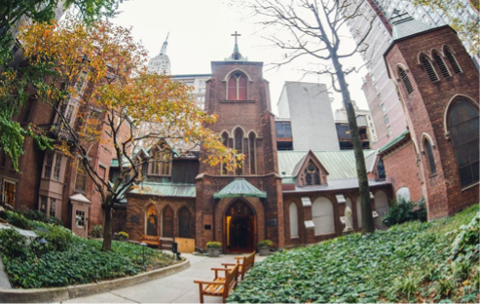
Little Church Around the Corner, courtesy of littlechurch.org
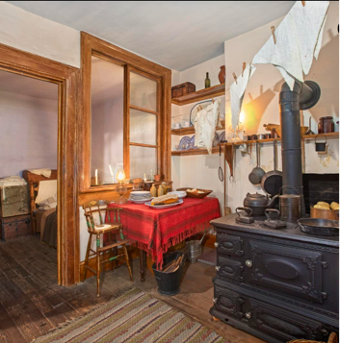
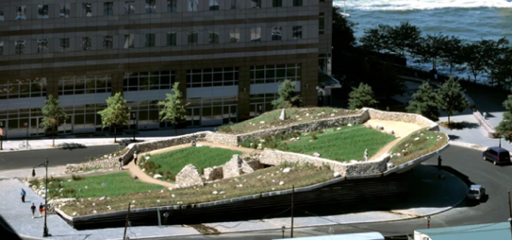
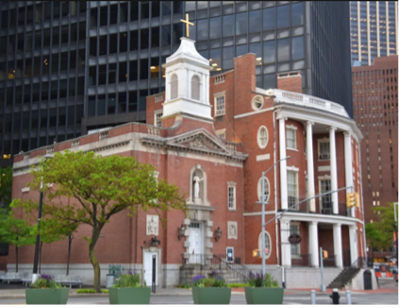
Other interesting architectural spots include The Tenement Museum that tells the story of immigrants who shaped the lower east side and is aptly located in two restored historic tenement buildings on Orchard Street; The Little Church Around the Corner (aka The Church of the Transfiguration) in NoMad was a stop on the underground railroad (and where the grandparents of SweisKloss’ Jessica Handy were married); the Irish Hunger Memorial in Battery Park City that features the ruins of a reconstructed cottage from County Mayo, Ireland, and rugged landscape (and has great views of the Statue of Liberty and Ellis Island); and the James Watson House on State Street, an historic red-brick Federal-style mansion built in 1793 featuring double-story columns which were crafted from the masts of old merchant ships. It is one of the only curved buildings in the city and one of the only buildings left downtown that survived the Great Fire of 1835.