The Architecture of Diplomacy
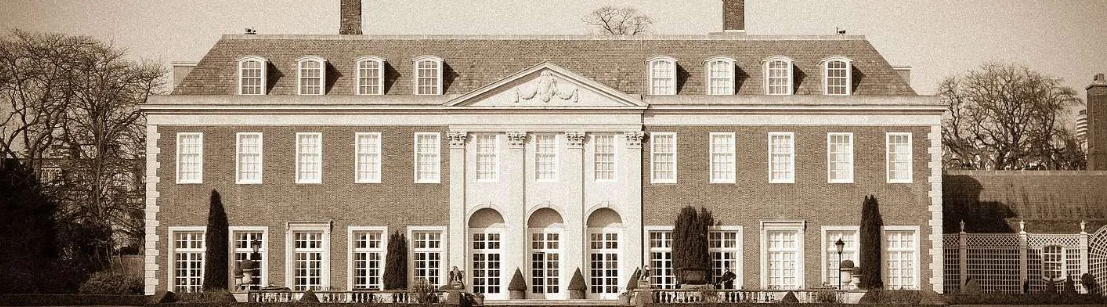
Image courtesy of winfieldhouse.org

 
The Architecture of Diplomacy

by Sweiskloss
Sep 10, 2026
From bloody emergency rooms to backstabbing traitors to murderous neighbors to a haunted island, this year’s list of Emmy Award nominated shows offer a range of genres and talents. Among the celebrated programs that will be honored during the September 14 broadcast will be one of my personal favorites, The Diplomat, an intriguing drama about the US ambassador to the United Kingdom. The show has it all – foreign officers forging strategic alliances, marital relationships and scandals, and lavish receptions all set again the backdrop of the sumptuous surroundings of the Ambassador’s Residence.

The US Department of State has approximately 275 diplomatic posts operating out of roughly 180 official ambassador residences (archive-shareamerica.gov). Located at some of the most coveted addresses, many of these residences are renowned for their architectural magnificence, historic relevance and cultural significance.

Winfield House, London, UK
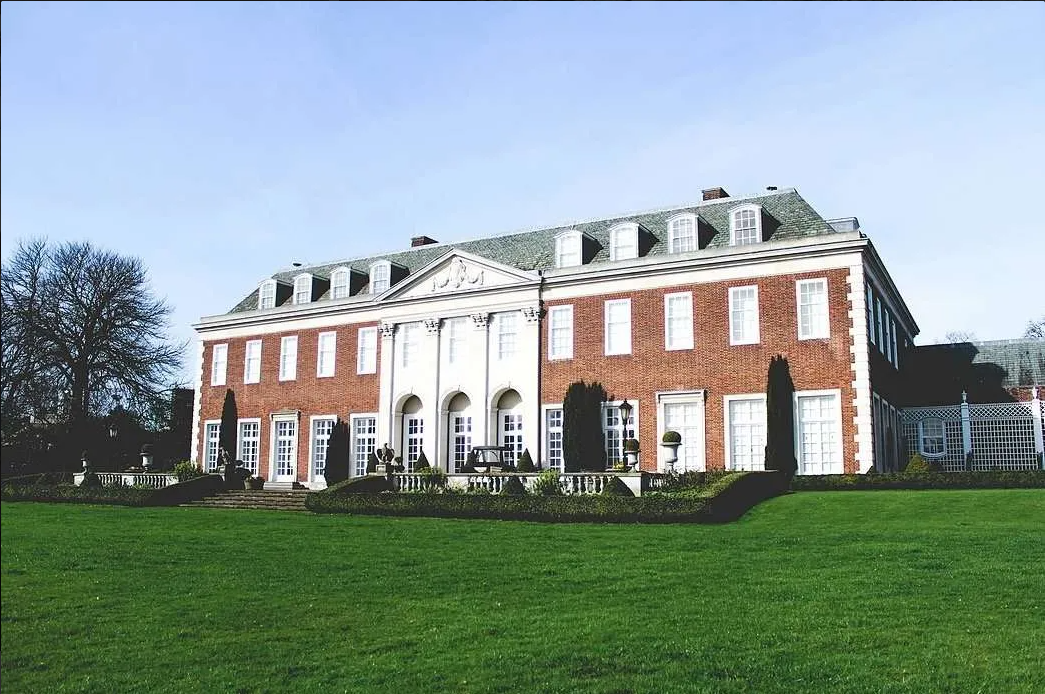
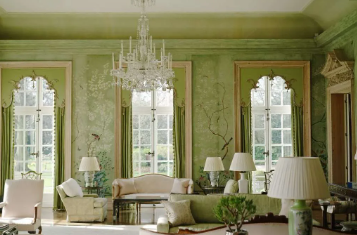
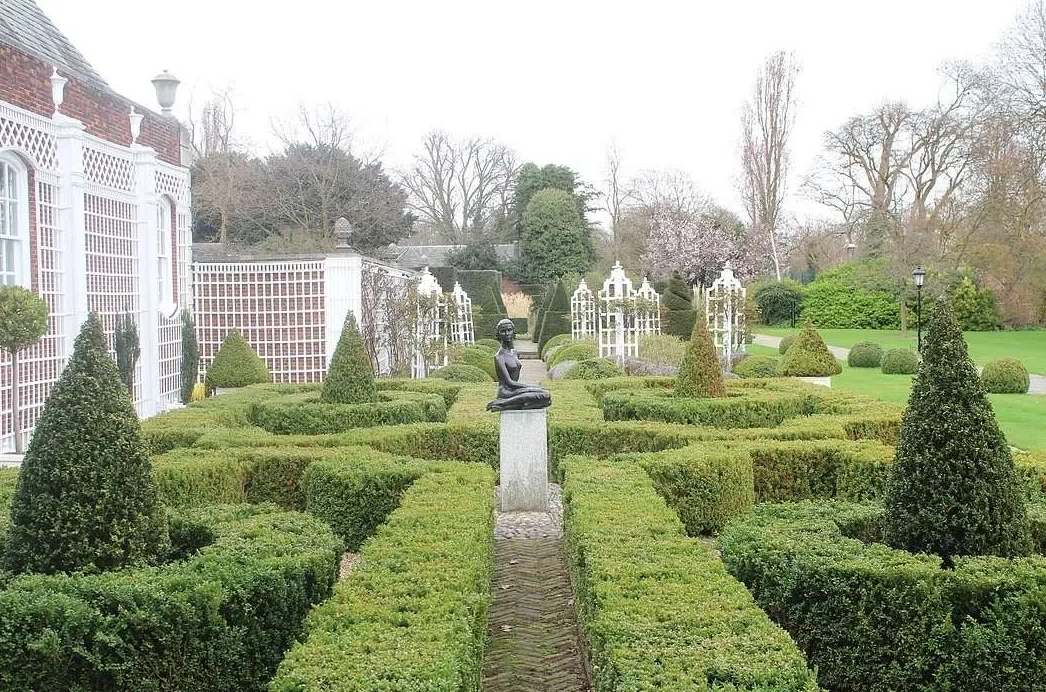
On The Diplomat, Wrotham Park, a grand English country house in Hertfordshire, doubles for the actual ambassador’s residence, Winfield House, which is set on 12 acres in Regent’s Park in London. Built in 1937 by Woolworth heiress Barbara Hutton, the neo-Georgian structure features red brick cladding, Portland stone dressings, an arcade on the ground floor and a monumental pediment. It also boasts the “second largest private garden in central London, after that of Buckingham Palace” (friendsofregentspark). Interiors are rich with detail, and feature European, Chinese and American decorative and fine arts. The Garden Room, aka the Green Room, is one of the most iconic rooms of Winfield House, with French Rococo and Queen Anne Revival style furnishings, crystal chandeliers, and hand painted jade-colored wallpaper depicting flowering trees. Mature trees and tall hedges ensure privacy from the surrounding public park. Following WWII, Hutton donated the house to the US government and in 1946 it officially became the American Ambassador’s Residence to the Court of St James, and has since been home to 19 US ambassadors.

Hotel de Pontalba, Paris, France
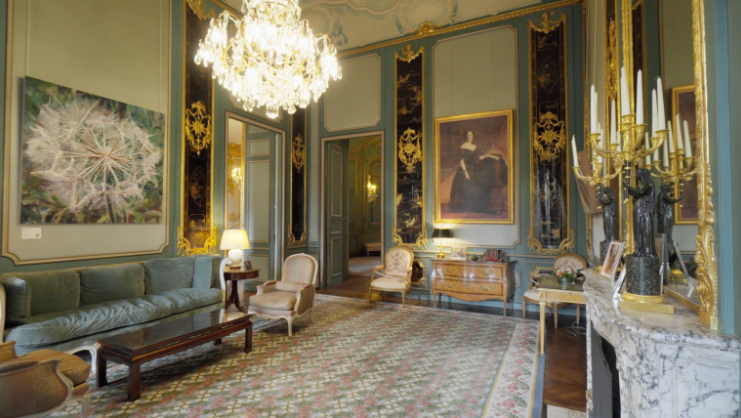
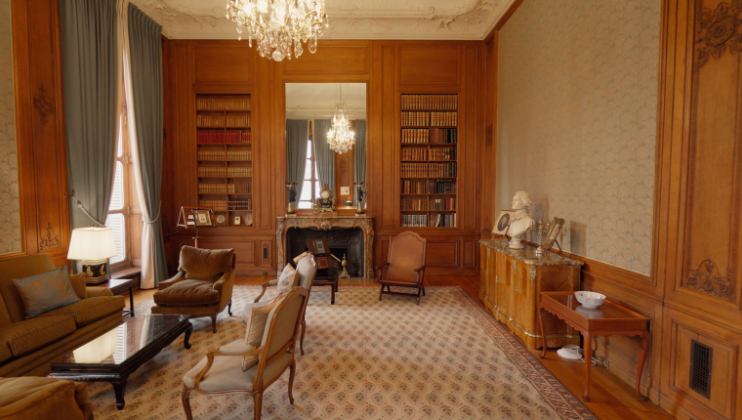
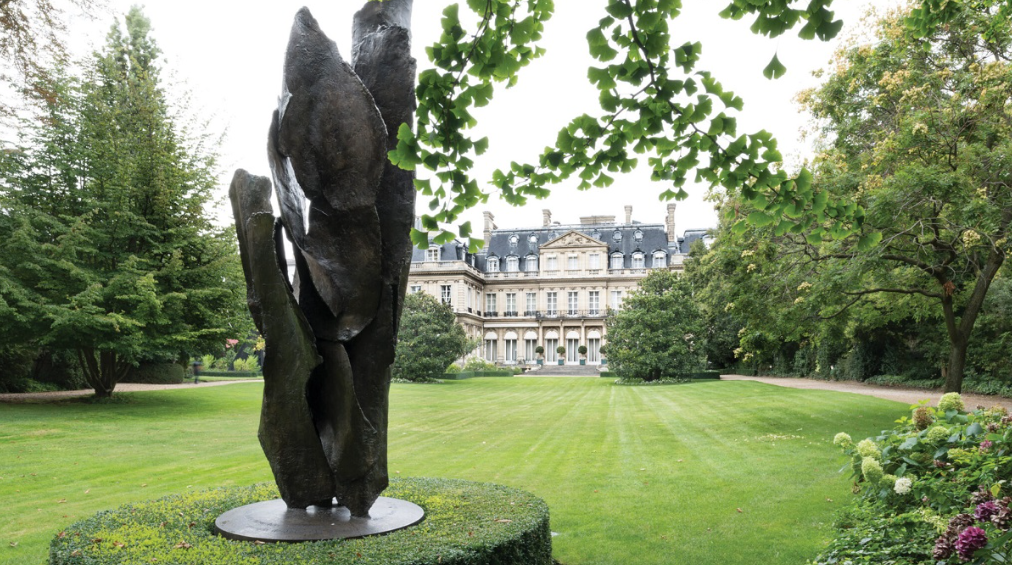
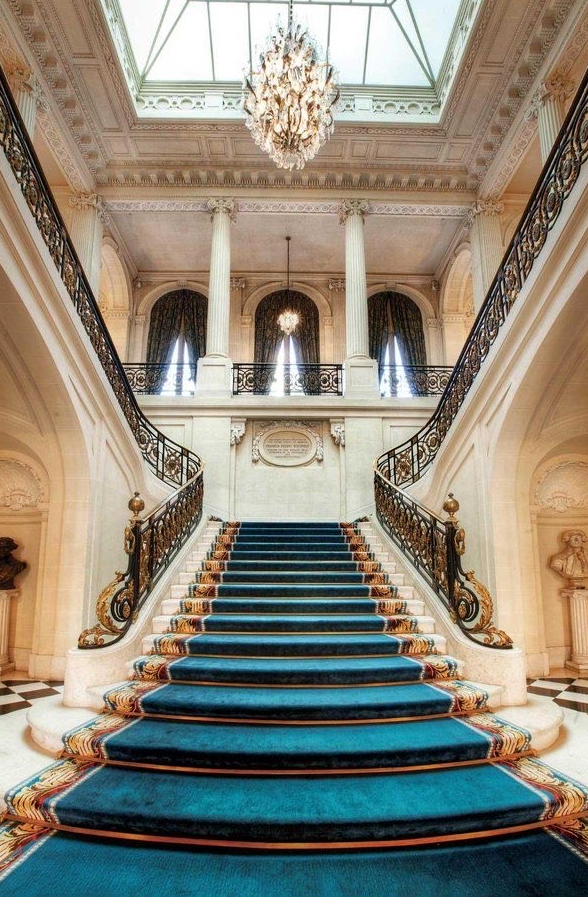
Located on the fashionable rue du Faubourg St. Honore, the 18th Century Hotel de Pontalba has a history that is as colorful as its lush English gardens. Built by wealthy New Orleans-born heiress Micaela Almosester, Baroness de Pontalba in 1852, the residence was later sold to the famous Rothschild banking family. During World War II, it was turned into a Nazis’ Officer’s Club, followed by a British Royal Air Force Club, and then housing for the US Information Services staff, before it became the official ambassador’s residence in 1971. Rich decorative wood paneling, an imposing central staircase, high ceilings, formal reception rooms, and intricate tapestries reflect shifting French styles over the years. A highlight is the Jefferson Library that contains a book-spinner and chair deigned by Jefferson. Guests of the Presidential Bedroom can enjoy spectacular views of the Eiffel Tower and Grand Palais.

Villa Petschek, Prague, Czech Republic
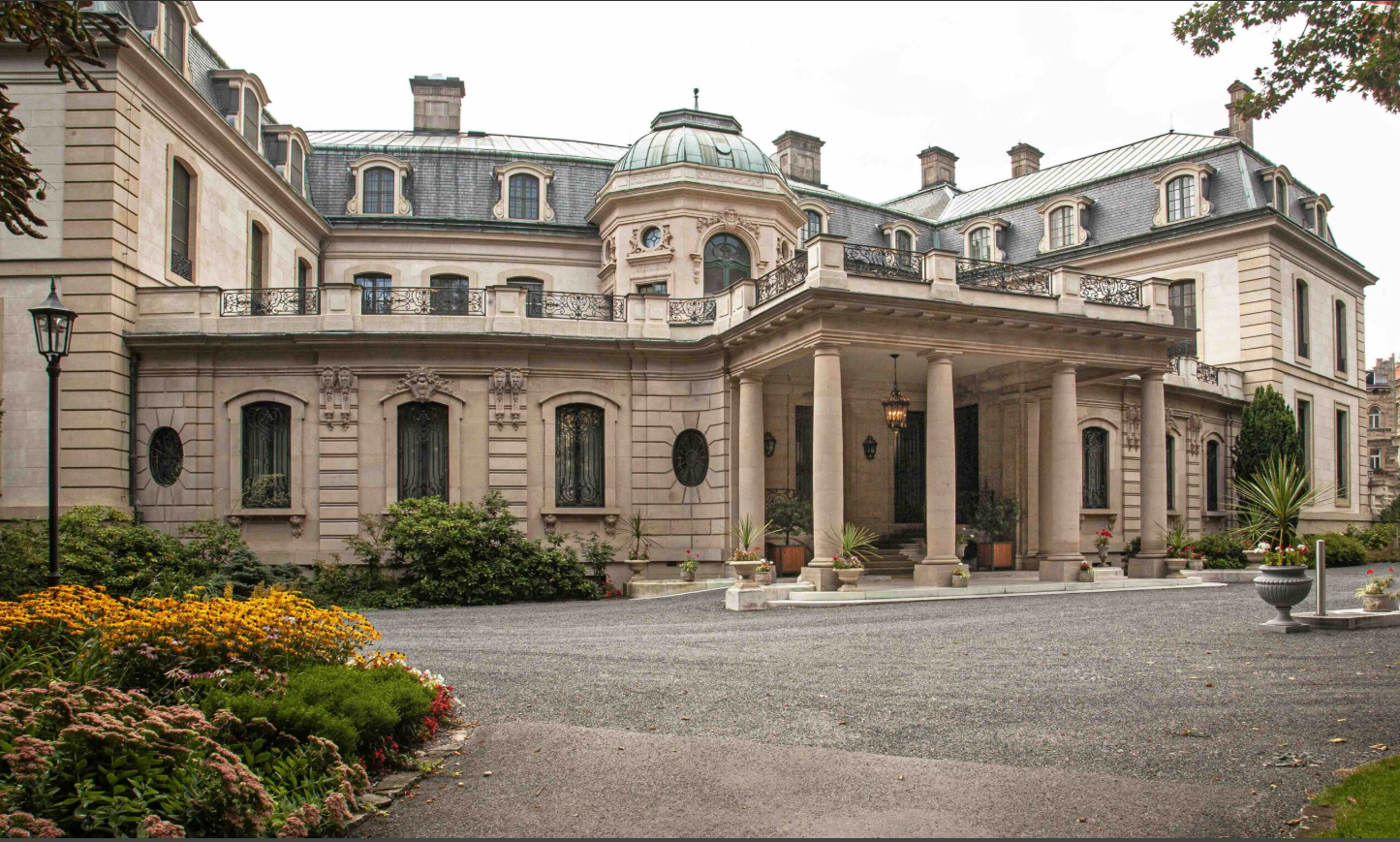
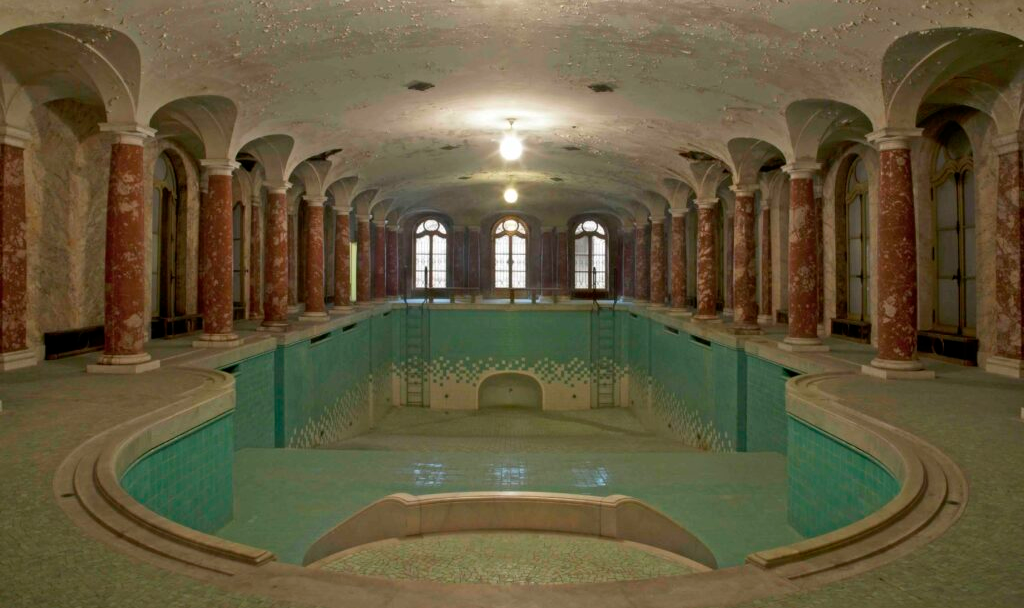
More than just a residence, Villa Petschek has been the backdrop to Cold War theatrics, clandestine gathering and cultural exchanges (diplomaticherald.com). Built by wealthy banker and industrialist Otto Petschek in 1929, Villa Petschek is situated in one of Prague’ s most affluent districts and was inspired by Versailles. Designed in the French Baroque style, the residence boasts 65 lavishly decorated rooms, gilded ceilings, an ornate marble staircase, and an underground swimming pool modeled after the Roman baths. Art Deco influences can be seen in the intricate wood paneling and stained glass. Petschek integrated state-of-the-art Innovative technology including an advance heating system, concealed elevators, an security system and an electronic sliding glass door in the Winter Garden. The house was occupied by the Nazis during World War II after Petschek fled the country, followed by brief occupations by the Soviet and Czech Armies, until it became the official US Ambassador Residence in 1948. During the Cold War, the residence was a continuing presence of the West behind the Iron Curtain.

Old American Legation, Seoul, South Korea
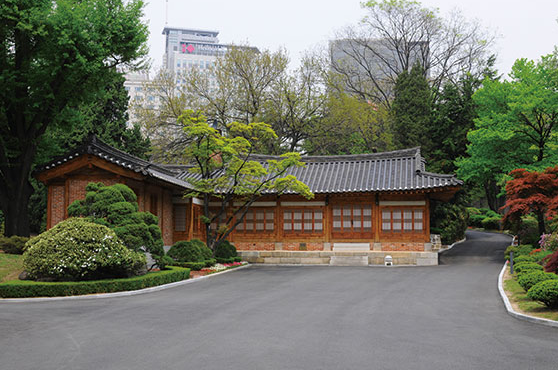
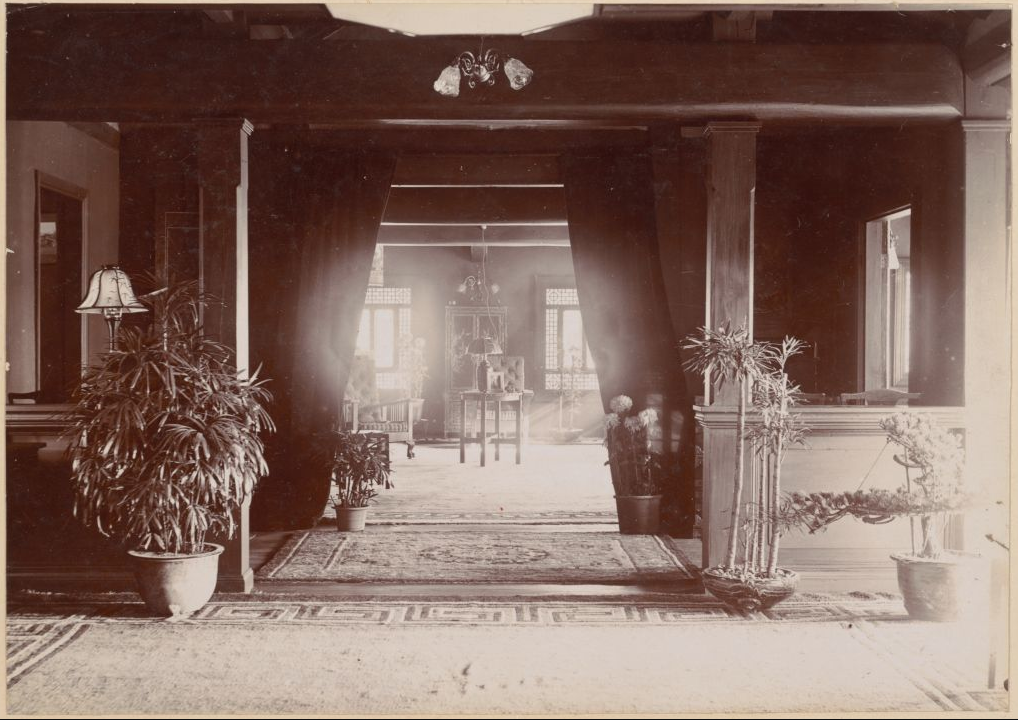
Established in 1883, the Old American Legation retains the structure of a traditional Korean hanok (a house designed to harmonize with nature) while incorporating elements of Western design such as red brick and granite. Korean style architecture can be seen in the traditional roof structure, exposed wood rafters and changho windows with Korean latticework and rice paper. The blending of cultures continues in the interior with Chinese Min-style chairs, Korean sabangtakja (decorative cabinet) alongside American comfy sofas. It served as the Ambassador Residence until 1974 when a more modern building was constructed; it was later renovated as a guesthouse and for diplomatic functions.

Spaso House, Moscow, Russia
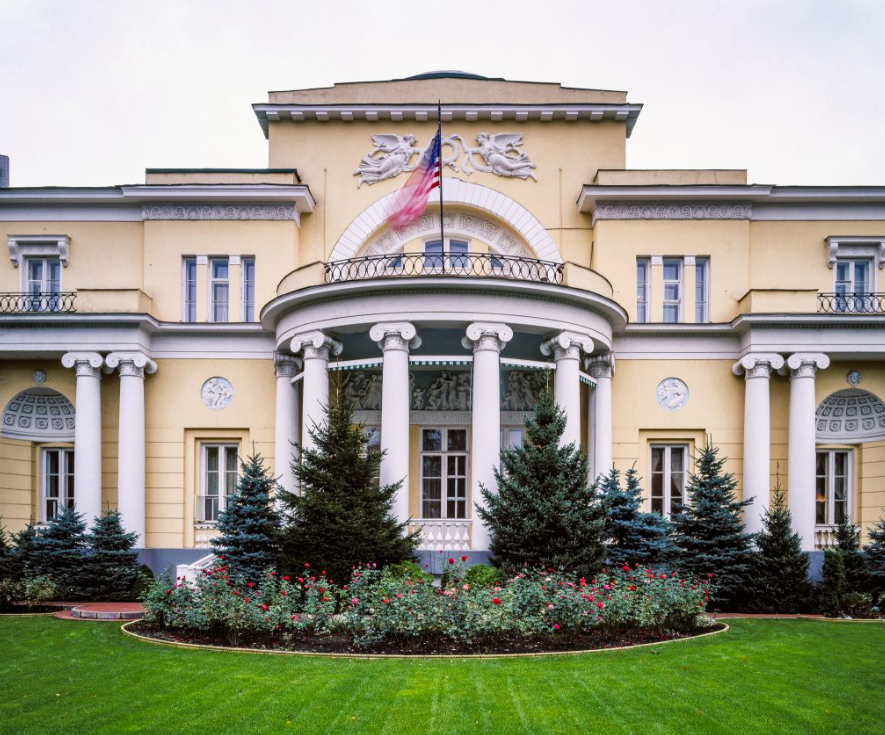
The area surrounding Spaso House was inhabited by royal huntsmen and falconers in the 17th Century before wealthy merchant manufacturer Nikolay Aleksandrovich Vtorov built the neoclassical Russian style residence. The interior features a massive 82-foot-long main hall with a soaring domes ceiling and crystal chandelier. The residence was expropriated by the Soviet government during the Bolshevik Revolution and later became the official US Ambassador Residence in 1934. Spaso House is famous for its colorful and notorious history including the “Bears and Caviar” Christmas Party of 1934 where three trained seals went “berserk” in the ballroom, and the wild Spring Festival with borrowed, and apparently un-housebroken, zoo animals (ru.usembassy.gov). Legend also has it that the Soviets planted a listening device in the Great Seal wood carving gifted during the Cold War until it was discovered in 1952 (2017-2021.state.gov).

MacArthur House, Tokyo, Japan
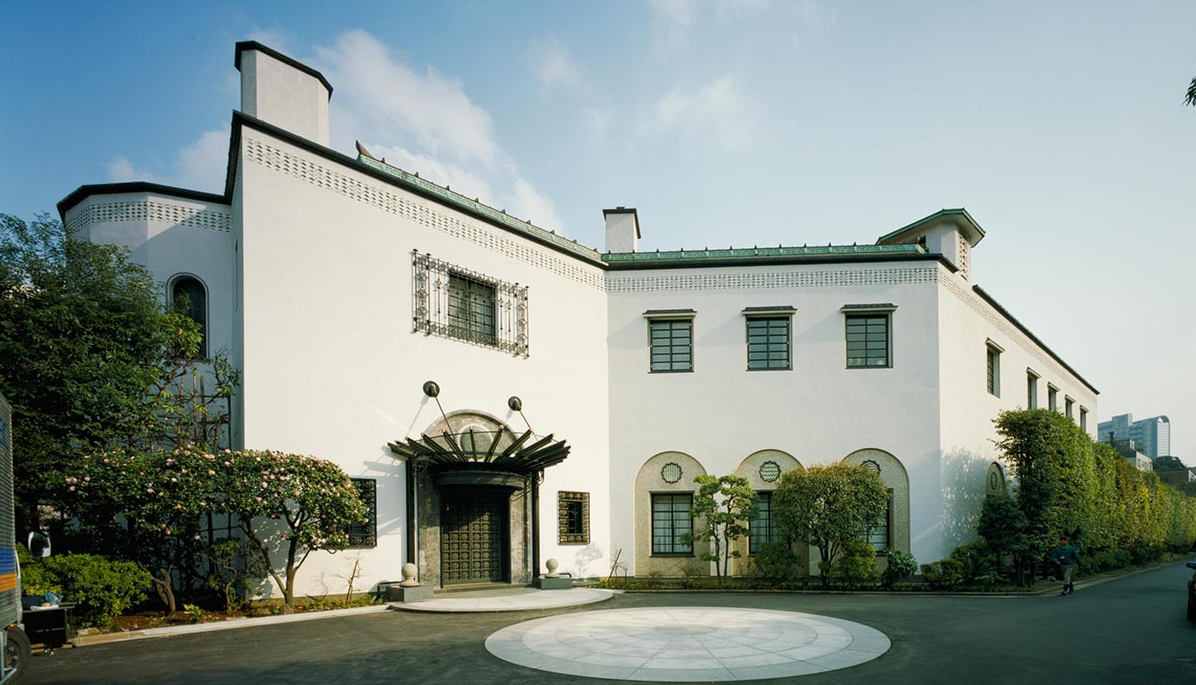
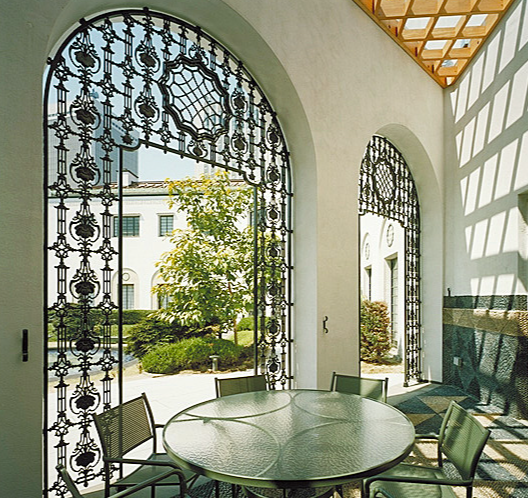
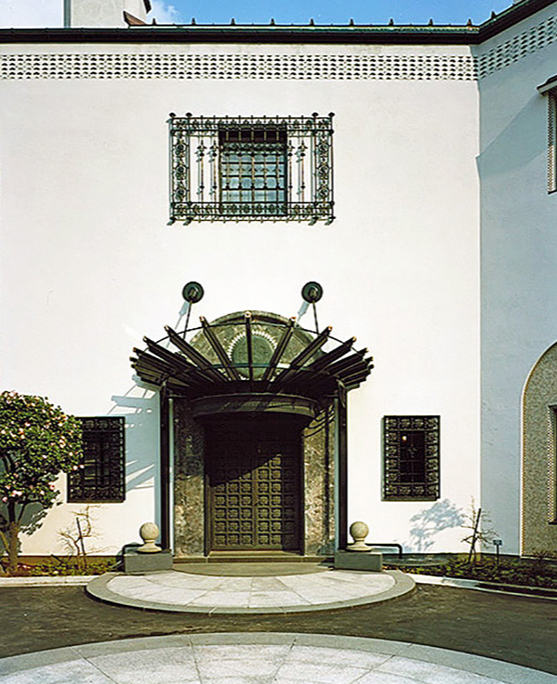
Among one of the first buildings specifically built as a residence for a US Ambassador, MacArthur House is an oasis in the center of downtown Tokyo. The gardens are designed on the Asian concept of feng shui with the northwest entrance intended to promote well-being. The white-walled building blends Beaux-Arts planning, modern reinforced-concrete construction, and traditional Japanese decorative elements. Its traditional tearoom and decorative window grilles are among its notable features, as well as the monumental bronze entrance doors that are surrounded by mosaic tiles. Famously, the residence was also the site of the historic meeting in 1945 between General MacArthur and Emperor Hirohito.

Palacio Bosch, Buenos Aires, Argentina
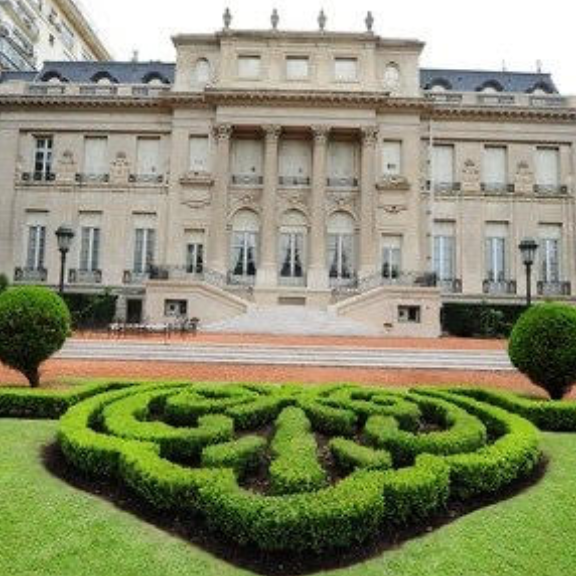
Completed in 1917 for Argentine foreign minister Bosch, the house was built in the French neoclassical style, constructed and furnished with materials imported from France. Considered an important example of Belle Epoque architecture, the spectacular residence features a grand marble staircase with sweeping columns, imposing chandeliers, and refined spaces decorated with period pieces. Most notable, are the formal Versailles-styled gardens. In 1929 the US acquired the property as the official residence for the US ambassador.
 
Laura McMahon