Water, Water Everywhere

Image courtesy of dripworks.com

 
Water, Water Everywhere
by Sweiskloss
April 16, 2026
As Samuel Taylor Coleridge wrote in “Rime of the Ancient Mariner,” “Water, water, everywhere, Nor any drop to drink.” The poem illustrates the interconnectedness of all living things. And at the heart of that is, you guessed it, WATER.

This year, the UN declared that the planet has entered an era of Global Water Bankruptcy, “meaning that humanity has used more water than nature can replace” (droughtclip.unccd.int). Water scarcity is no longer local; it is global. What dries up today in one place affects food, prices, and future stability worldwide.

To celebrate Earth Day next Wednesday, on April 22, we would like to highlight water, specifically a unique conservation initiative that is bridging the environmental and design worlds.

From the seabed to backsplash
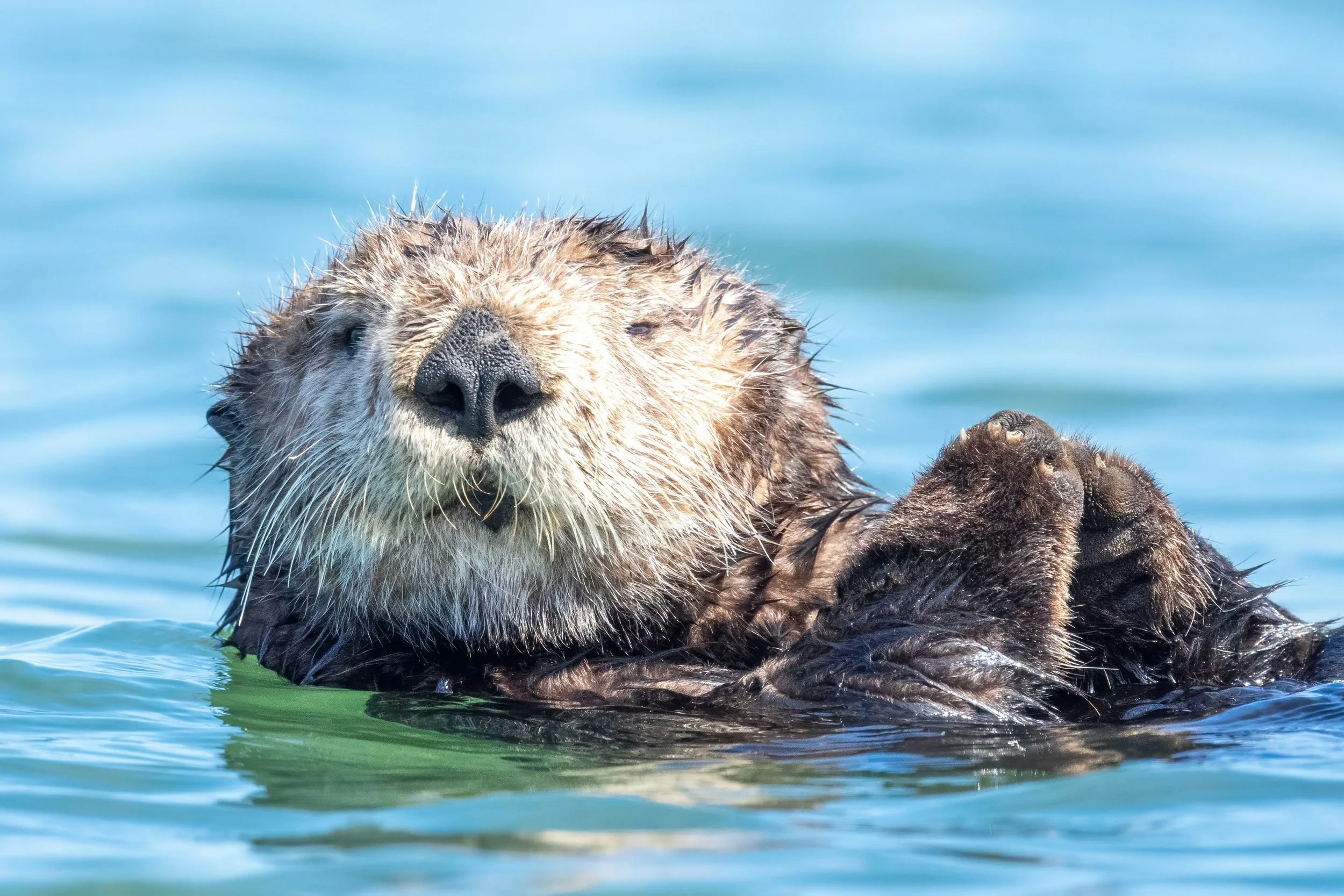
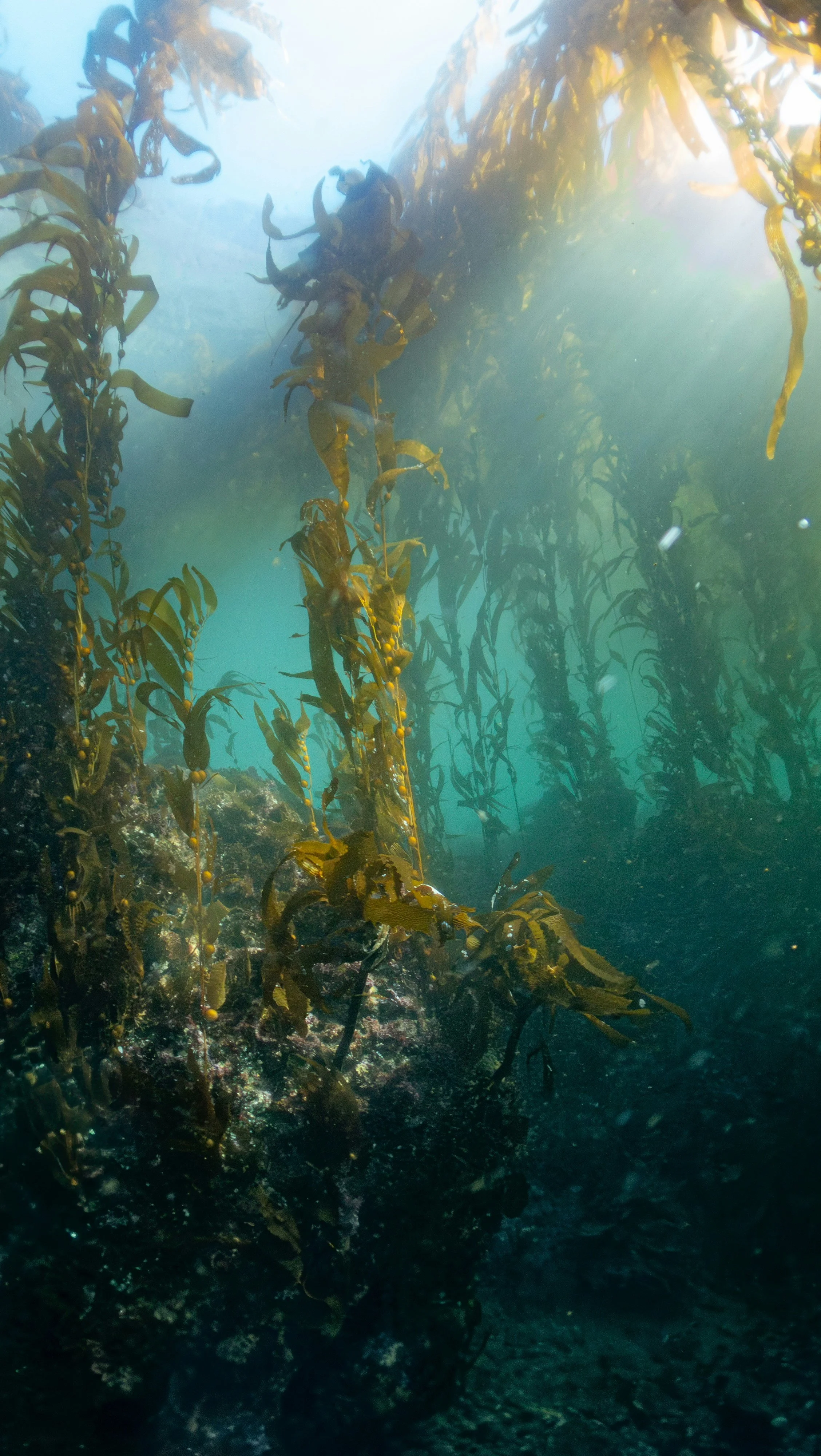
Sea Otters – they’re more than just cute little furry creatures. They have proven to be a small but mighty force to maintain coastal wetlands and combat climate change. Once widespread along the coastal waters of the Northen Pacific Ocean, their numbers were severely depleted in the 19th Century as they were hunted for their fur. This decline in otter population contributed to the loss of kelp forests. As kelp forests are a “keystone species.. [that] play a central role in maintaining the ecological health of the places where they live” (montereybayaquarium), this loss is devastating to the environment.
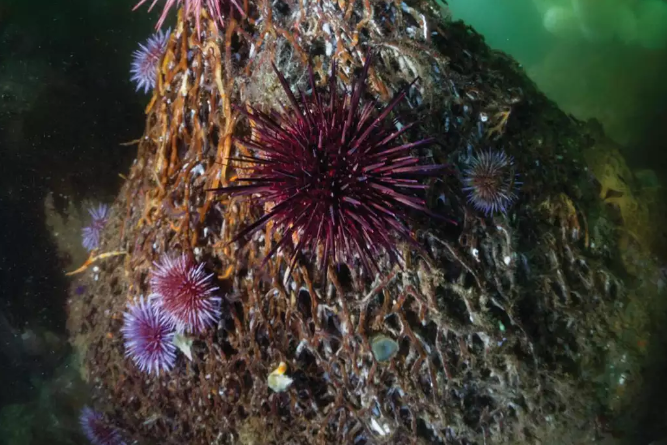
With a voracious appetite, sea otters’ favorite food is sea urchin. When sea otters are lost from an ecosystem, sea urchin numbers spike. The herbivorous sea urchins then devour the kelp, decimating the habitats that sustain an abundance of fish, birds and other animals. As marine ecologist James Estes documented, “kelp forests without sea otters become underwater deserts” (bbc.com). Further decimation of the kelp forests can be attributed to climate change, as MIT Media Labs explains, “over the past decade, more than 90% of … kelp along the North Coast has disappeared, the result of warming waters” (media.mit.edu).
Recent conservation efforts have helped otter populations rebound in coastal wetlands such as Monterey and San Francisco Bays. And kelp forests have rebounded in these areas as a result.

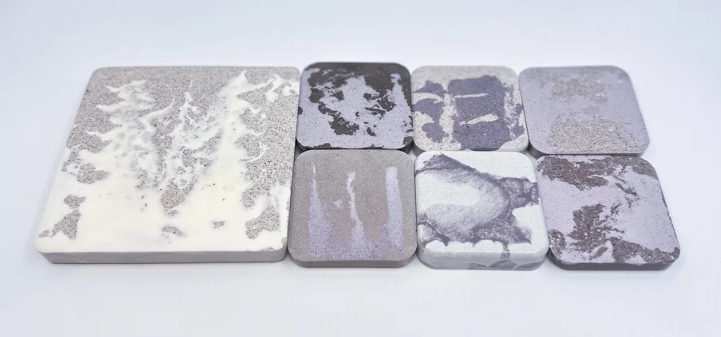
But we can’t leave it all up to the otters. Biodesign companies such as MARBLIS™ have created Urchinite™, a biomarble made from biocalcite, a natural mineral from purple sea urchin shells. Derived from this invasive species, Urchinite is versatile, durable, and can be used for countertops, flooring, wall coverings and more. It is simple to fabricate and safe to handle containing no silica and no VOCs. And it is aesthetically unique and striking (marblis.com).
As for conserving water, below are some practical strategies that you can employ at home to conserve water.
  1. Smart Lawn Care: Water lawns early in the morning, switch to drought-resistant plants, use a smart irrigation controller.
  2. Full Laundry Loads: Wash only full loads of laundry and use cold water cycles to cut down water and energy use. Follow the directions on your washer and on the detergent bottle.
  3. Shorter Showers: Cut shower time by just a few minutes to save gallons of water daily. Turn off the water in the shower while you suds up!
  4. Turn Off the Tap: Switch off faucets while brushing teeth, washing hands or dishes to avoid unnecessary waste.
  5. Efficient Dishwashing: Run the dishwasher only when it’s full, or wash dishes in a filled basin instead of under running water. When loading a dishwasher, remember you don’t need to rinse off the food – modern dishwaters have sensors to detect how dirty the dishes are and pre-rinsing can confuse these sensors, leading to a less effective wash. Follow the directions that come with your dishwasher for the most efficient use.
  6. Repair leaks: The average household uses 300 gallons of water a day, and leaks 10,000 gallons of water per year, or 27 gallons per day. That is a waste of roughly 9% of total daily use. Nationwide, leaks account for 1 trillion gallons. (19january2017snapshot.epa). For ideas on how to prevent a leak before it happens read our blog https://www.sweiskloss.com/blog/here-comes-the-rain-againthe-eurythmics.
  7. If you are undergoing a renovation, reach to SweisKloss to discuss installing a graywater system to capture, filter and redirect water from showers, sinks and laundry for irrigation and toilet flushing.
 
Laura McMahon